
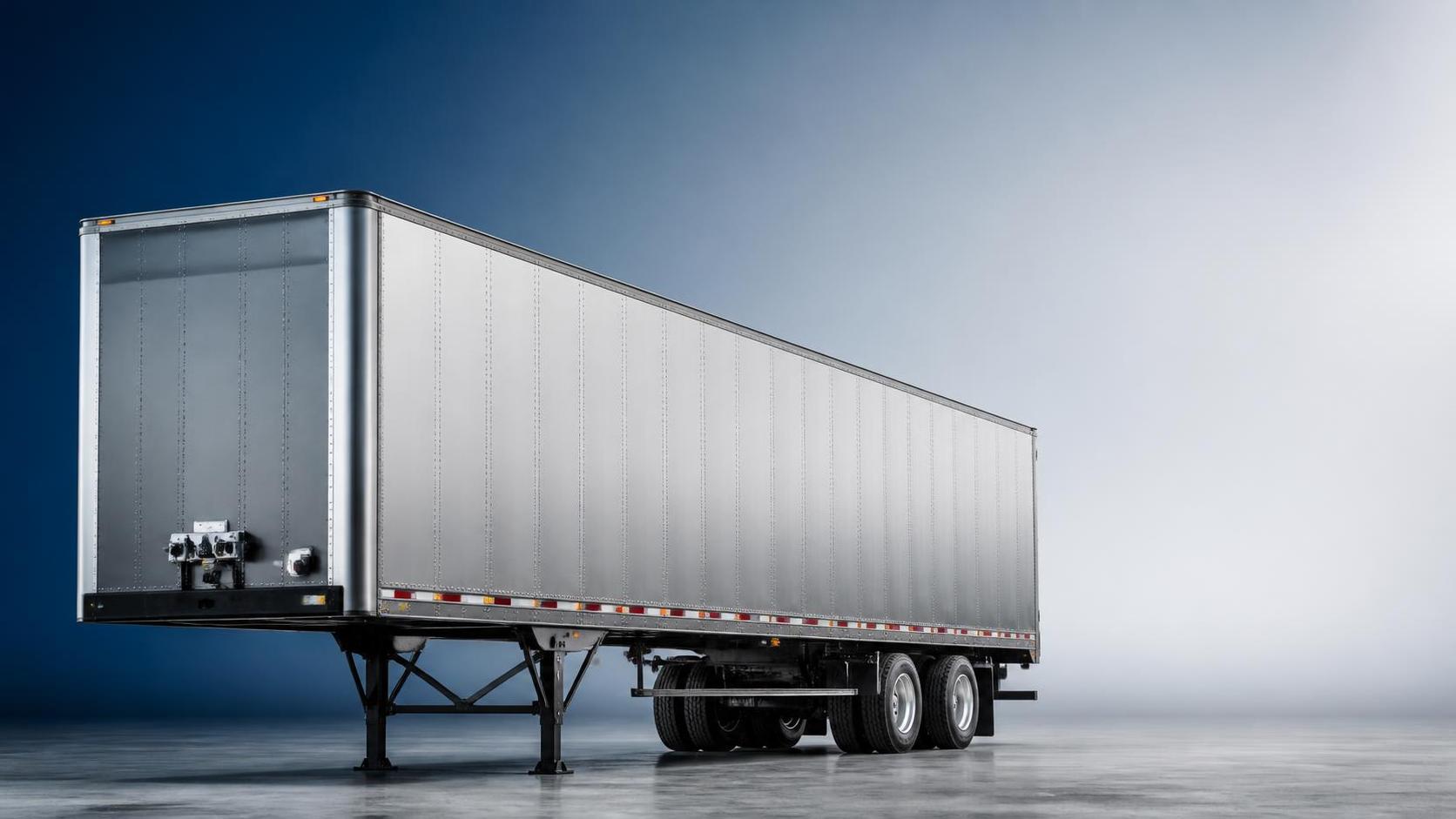
Buying used trailers often looks straightforward at first glance: the floor is solid, the paint still looks decent, and the asking price fits the budget. The trouble starts later, when a trailer that seemed serviceable begins showing alignment issues, uneven tire wear, weak braking, or frame damage that was hard to spot during a quick walk-around. For quality control and safety managers, that kind of miss can turn a cost-saving purchase into a maintenance headache.
In real purchasing work, the challenge is not just finding used trailers that look acceptable. It is separating normal wear from structural or safety problems before the unit enters service. A careful inspection of the frame, axles, brakes, and tires helps narrow that gap and gives you a clearer basis for deciding whether a trailer is worth moving forward or should be set aside.
Start with the frame, because everything else depends on it
The frame is usually the best place to begin, since damage here can affect the rest of the trailer even when the rest of it appears usable. Look for obvious bends, fresh welds, cracked metal, and signs of distortion around the coupling points, crossmembers, and suspension mounts. Rust is not automatically disqualifying, but deep corrosion near load-bearing areas deserves closer attention.
Another thing to watch is whether the trailer sits square. If the tongue or main rails look slightly out of line, or if one side appears lower than the other, that can point to previous overload, impact damage, or long-term structural fatigue. Many issues on used trailers are easiest to see when you step back and look at the unit as a whole rather than focusing on isolated parts.
When possible, compare both sides of the frame and inspect areas that are often hidden by dirt, paint touch-up, or undercoating. A cosmetic repair can hide an older problem, so any section that looks newly painted or unusually smooth should get a second look.
Axles tell you how the trailer has really been used
Axles are one of the clearest indicators of wear because they carry the load every time the trailer moves. A trailer can look fine above the deck and still have axle issues underneath. Check for axle tube bends, damaged hangers, loose hardware, and uneven tire stance. If one wheel leans inward or outward more than the others, it may point to alignment trouble or suspension wear.
Pay attention to bearings, seals, and hubs as well. Grease leakage, heat discoloration, or rough rotation can suggest a maintenance history that was less careful than it should have been. On used trailers, axle problems often come from overloading, poor road conditions, or simple neglect, and each of those can create follow-up repairs after purchase.
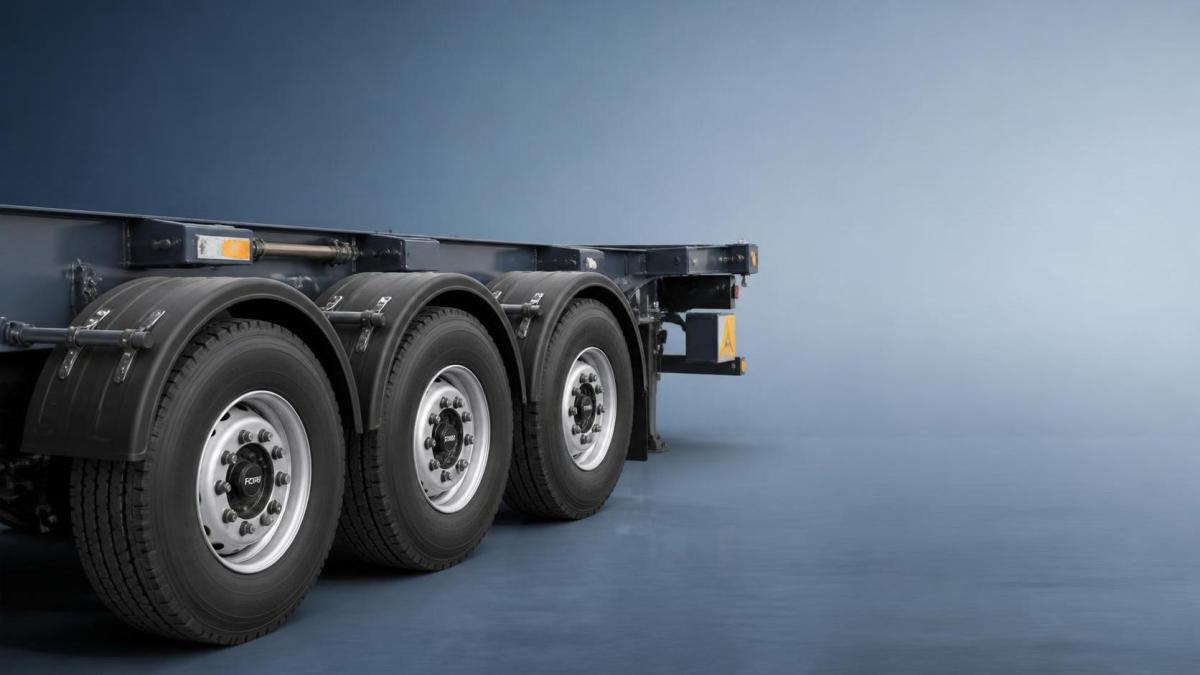
If the trailer has multiple axles, make sure they appear evenly matched and properly positioned. Mismatched wear patterns between axles can signal that one has been carrying more stress than the others, which may affect stability once the trailer is back in service.
Brakes need a closer look than a quick test roll
Brakes are one area where visual condition can be misleading. Shoes, drums, wiring, lines, and adjusters may all seem present, yet still perform poorly. The first question is whether the brake system is complete and intact. Missing parts, broken wiring, or visible corrosion on brake components usually mean the trailer will need more than basic servicing.
For electric brake setups, inspect connectors, magnets, and wiring runs for wear, repairs, or poor splicing. For hydraulic systems, check for fluid leaks, cracked hoses, and signs of uneven actuation. If the trailer has been sitting for a long time, seized components are common and should not be ignored just because the rest of the unit appears clean.
A slow roll test can help reveal whether brakes engage evenly, but it should not be treated as the final answer. Uneven braking, dragging wheels, or delayed response usually point to a deeper issue. For safety-focused buyers, the question is not whether the brakes “still work” in a loose sense, but whether they are reliable enough to support regular operation without immediate rework.
Tires are often the easiest clue to the trailer’s history
Tires are one of the simplest parts to inspect, but they can reveal a lot. Uneven wear across the tread, cupping, shoulder wear, or sidewall cracking may point to alignment problems, underinflation, overloading, or long storage. If a trailer has tires with very different wear patterns from one another, that is worth investigating rather than assuming it is normal.
Check the sidewalls for cuts, bulges, dry cracking, and repairs that may not hold up under regular use. Even if tread depth still looks acceptable, aged or weather-damaged tires can become a safety concern quickly. Tires that are visibly mismatched in size, load rating, or condition may also suggest that the trailer has been maintained in a piecemeal way.
If you are reviewing used trailers for a fleet or facility, tires should also be viewed as a clue about downtime. A trailer with neglected tires may have been sitting unused for long periods, which often means the rest of the system may have seen limited maintenance as well.
A practical way to separate acceptable wear from red flags
Not every imperfection means the trailer should be rejected. Many used trailers come with normal wear that can be handled through routine service. The key is deciding whether the issues are isolated and manageable, or whether they point to a pattern of structural or safety risk.
A useful approach is to move in this order: frame first, then axles, then brakes, then tires. That sequence helps you avoid spending time on surface-level details before confirming the trailer’s core condition. If the frame is compromised, there is little point in debating tire age. If the axles are bent or the brakes are incomplete, the trailer may already be outside your acceptable risk range.
You can also separate findings into three buckets: items that are normal wear, items that need corrective work, and items that suggest the trailer should not be approved. That simple classification makes review easier for procurement and safety teams without turning the inspection into a guessing game.
Common signs that deserve a second inspection
Some warning signs are easy to overlook the first time around: fresh paint over one section of the frame, one axle that looks newer than the others, brake parts with different levels of corrosion, or tires that do not match in age and wear. None of these automatically means the trailer is unsafe, but each one should slow the decision down.
It also helps to look at how the trailer presents as a whole. If several small issues point in the same direction, the trailer may have been used harder than expected or maintained inconsistently. That is often where hidden cost shows up after the purchase.
When the inspection is being used for a procurement decision, the goal is not perfection. The goal is to understand whether the trailer can meet operational demands without creating immediate repair work, safety exposure, or avoidable downtime.
When to bring in deeper verification
If anything on the frame looks distorted, if the axles do not track evenly, or if the brake system shows signs of incomplete repair, it is worth pausing before approval. At that point, a more detailed mechanical review or a service inspection can help confirm whether the trailer is still a reasonable buy.
For teams that inspect used trailers regularly, it helps to keep the process consistent. A repeatable inspection routine makes comparisons easier and reduces the chance of letting a “good-looking” trailer pass on appearance alone. Over time, that discipline is usually what keeps purchase decisions grounded in condition rather than guesswork.
In the end, the smartest used trailer purchase is usually the one that answers the hard questions early. If the frame is straight, the axles are sound, the brakes are complete, and the tires show wear that makes sense, you have a much better basis for moving forward. If not, the lower price may not be the real savings it first appears to be.