
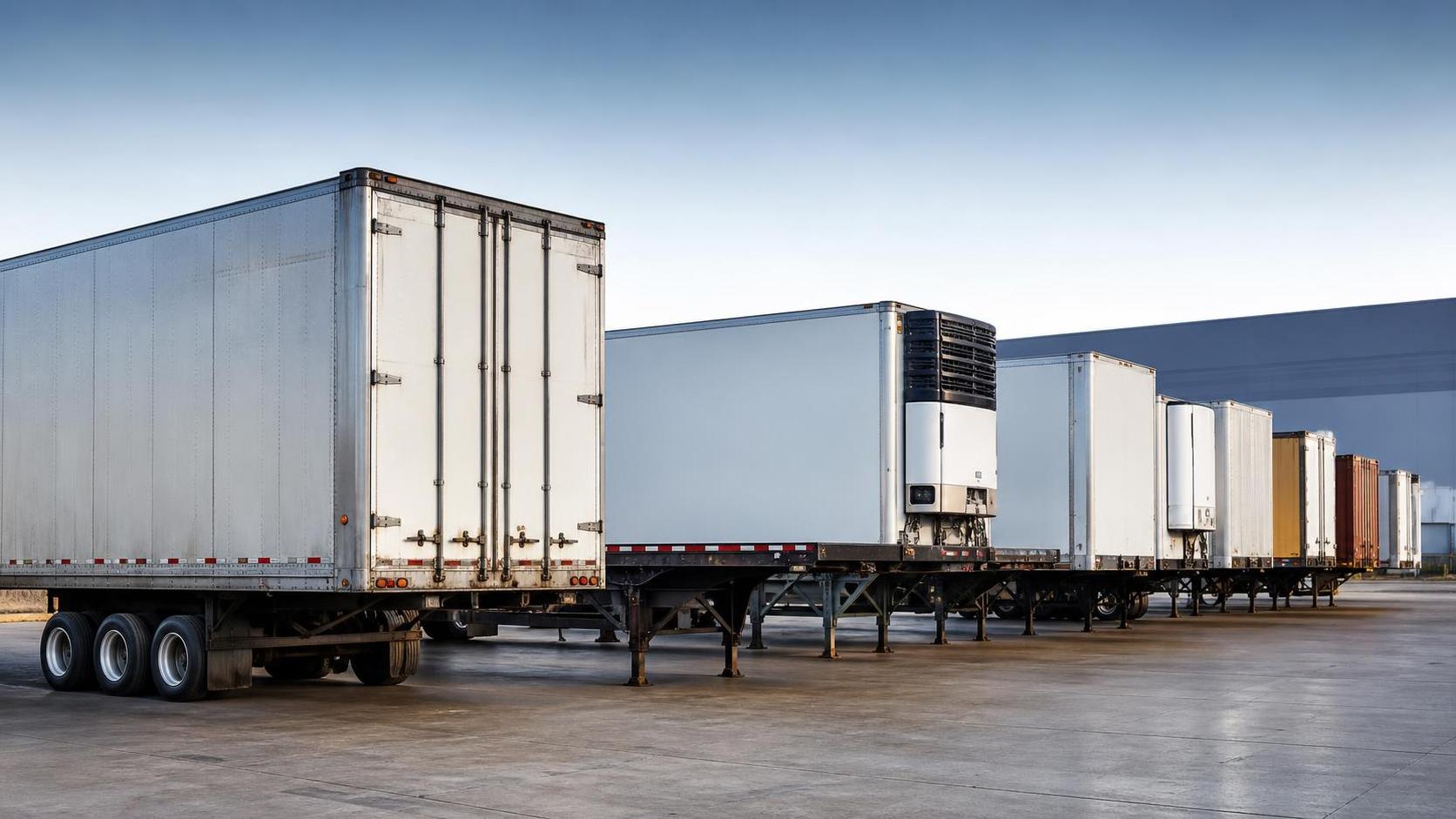
Used Trailers Market Trends: Where Buyers Are Finding Better Deals in 2026
As the used trailers market shifts in 2026, buyers are finding better deals through smarter sourcing, changing inventory cycles, and stronger price transparency. For business evaluators, this creates new opportunities to compare asset value, assess resale potential, and identify trailers that deliver the best return on investment. Whether demand is driven by fleet expansion or cost control, understanding where used trailers offer the most value is becoming essential for making confident purchasing decisions.
What has changed is not just pricing. The market now rewards buyers who look beyond the listing price and judge a trailer as an operating asset: condition, spec match, maintenance history, regional demand, and time-to-deploy all affect value. In many cases, the best deal is not the cheapest unit. It is the trailer that avoids rework, holds resale value, and fits the job without compromise.
Why 2026 looks different from the usual used-equipment cycle
Used trailers have always moved in cycles, but 2026 brings a more visible split between commodity units and specialized assets. Standard dry vans, flatbeds, and low-spec trailers tend to circulate faster, especially when fleets refresh in waves or when operators trade down to improve cash flow. At the same time, better-maintained trailers with documented service records are drawing more attention because buyers can compare them more confidently across sellers.
Price transparency has also improved. Buyers can see a wider spread of asking prices, which makes overpricing easier to spot, but it also exposes the real cost of weakness in condition. Corrosion, patchwork repairs, suspension wear, and mismatched components are no longer easy to hide. In practical terms, the market is becoming less forgiving of poor documentation and more willing to pay for clean history.
Where buyers are finding better value
One clear trend is that value is shifting toward trailers with a clear operating story. Units coming out of fleet rationalization, lease returns, or one-shift regional use often look stronger than older trailers that have changed hands repeatedly. That does not guarantee quality, but it usually gives buyers a better starting point for evaluation.
Regional sourcing matters more than many buyers expect. In some markets, trailers that are technically similar can differ meaningfully in price because of local demand, transport distance, and inspection culture. If a buyer can source close to where the trailer will be used, freight savings and faster deployment can narrow the gap between used and new equipment. For business evaluators, that often changes the total acquisition cost more than a small headline discount.
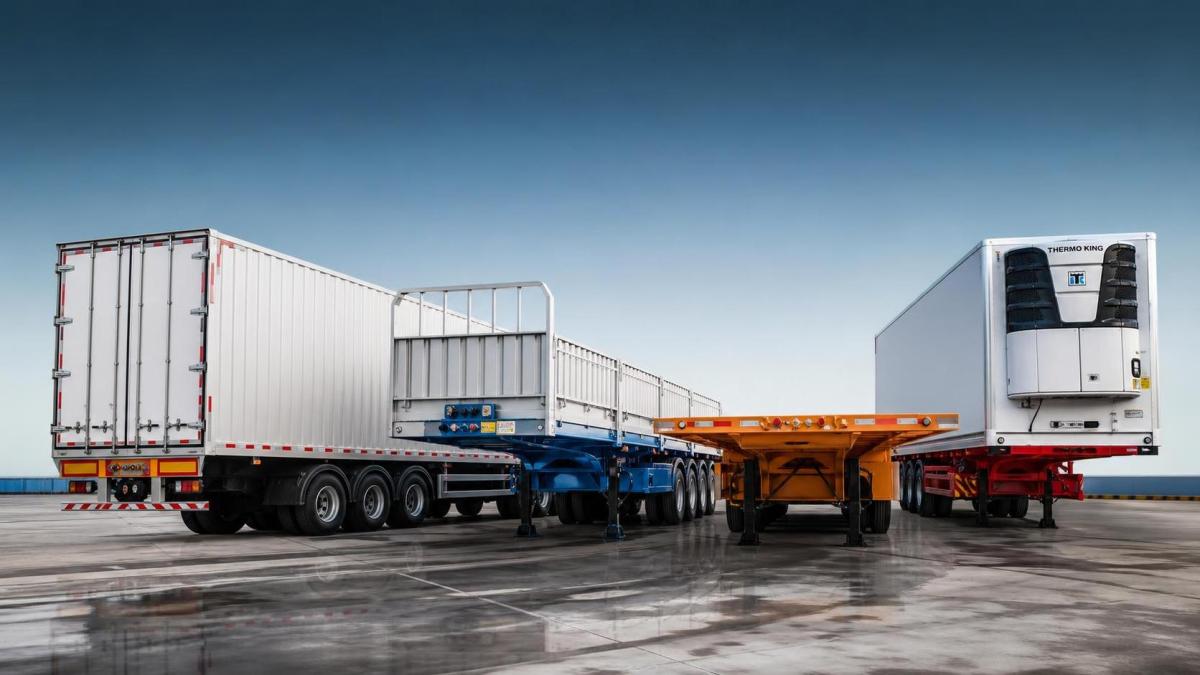
There is also more opportunity in trailers that are slightly less “presentable” but mechanically sound. Cosmetic wear can suppress asking prices even when the core structure is acceptable. Buyers with in-house maintenance capacity may benefit here, but only if they can separate surface issues from structural risk. That distinction is not always obvious from photos alone.
The specs that still matter most
In the used trailers market, specification fit is often more important than age. A trailer that misses the application by even a small margin can become expensive after purchase. Load rating, floor condition, axle configuration, brake performance, tire matching, and kingpin or coupling compatibility all need attention. For reefer or specialty units, powertrain condition, insulation integrity, and service record become even more critical.
Business evaluators tend to focus on resale potential as well as current use. That means asking a simple question: if this trailer needs to be sold in 12 to 24 months, who is the next buyer? A common mistake is to buy to a narrow internal requirement and ignore the wider secondary market. When the exit market is thin, the initial discount may disappear quickly.
A practical way to think about value
Where hidden costs usually appear
The lowest bid is often the easiest decision to regret. Hidden costs usually show up in transport, inspection, registration, repairs, or downtime after delivery. A trailer that needs immediate tire replacement, brake work, or structural cleanup may still be worth buying, but only if the cost is visible before commitment. This is where buyers get punished for relying on photos or a basic list description.
Another issue is mismatch between seller confidence and buyer use case. A trailer can be “roadworthy” and still be a poor fit for a business that needs a specific loading height, access pattern, or local compliance detail. The result is not just extra expense; it can also reduce utilization, which is usually harder to fix than a repair bill.
Buyers should also pay attention to documentation gaps. Missing title details, incomplete maintenance records, or inconsistent serial information can slow closing and complicate due diligence. In a market that values speed, those delays can erase a good-looking deal.
What smarter sourcing looks like now
The best buyers in 2026 are not chasing every discount. They are building a shortlist across multiple channels, comparing condition against likely repair needs, and keeping an eye on secondary-market resale. That may include dealer inventory, fleet liquidation, regional brokers, and direct fleet replacement programs. Each channel has trade-offs in transparency, speed, and negotiation room.
A disciplined sourcing process also helps teams avoid emotional buying. When a trailer looks cheap, it is easy to overvalue the opportunity. When it looks clean, it is easy to overlook a weak service trail. Evaluators usually need a repeatable checklist, not a better sales pitch. That checklist should cover operating condition, legal documentation, repair exposure, and expected marketability after purchase.
This is where internal maintenance capability changes the equation. A fleet with strong inspection and repair capacity may extract more value from used trailers than a buyer that depends entirely on outside service. But the advantage only exists if repair scope is controlled. Once a trailer becomes a rolling project, the discount stops mattering.
A market trend worth watching closely
One subtle trend in 2026 is that buyers are paying more for certainty, even in the used segment. That does not mean prices are rising across the board. It means the market is splitting into “easy-to-judge” inventory and everything else. The first category moves faster and tends to support more stable resale expectations. The second may offer deeper discounts, but only if the buyer is prepared to inspect carefully and absorb more uncertainty.
For business evaluators, that split is useful. It suggests that the best deal is rarely found by looking only at the asking price. It is found by understanding how long the trailer will stay in service, how much correction it will need, and how easily it could be sold later if plans change. In a market shaped by tighter budgets and more visible pricing, those details matter more than ever.
A sensible next step is to compare shortlisted used trailers on three points: true acquisition cost, likely maintenance exposure, and exit value. If one of those is missing, the deal is not really clear yet. It is just incomplete.