
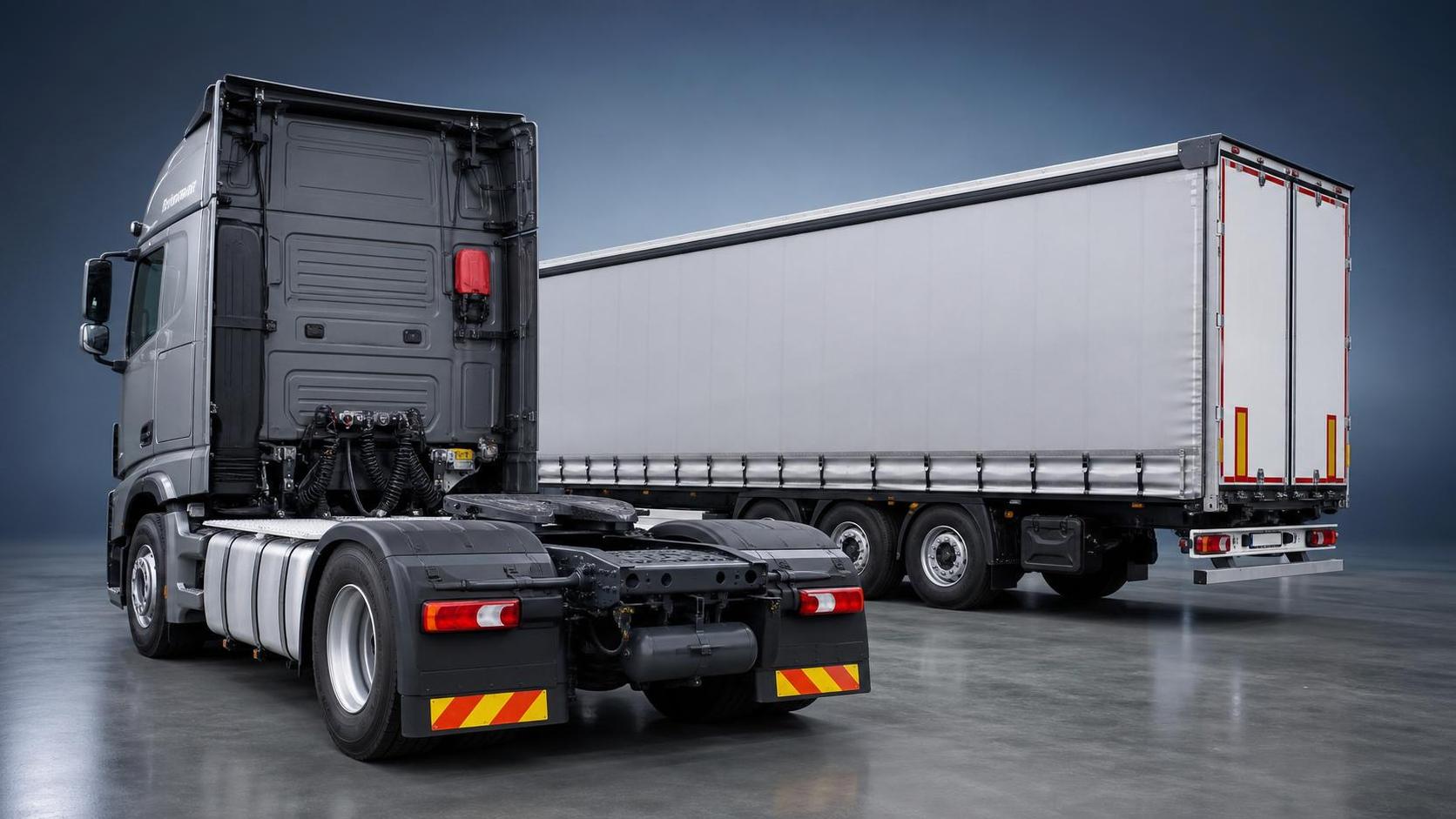
For technical buyers, the first step in used truck selection is not price but performance, compliance, and long-term reliability. A careful review of engine condition, chassis integrity, mileage accuracy, and maintenance records can prevent costly mistakes. This guide explores the key factors that matter most in Cheduoduo used truck selection, helping professionals make informed decisions with greater confidence and efficiency.
In the trailer industry, a used truck is rarely evaluated as a standalone asset. It must match trailer weight, axle configuration, route conditions, loading cycles, and local compliance rules. A truck that looks cost-effective at purchase can quickly become expensive if it struggles with semi-trailer towing, brake synchronization, or frame fatigue under repeated heavy-duty work.
That is why Cheduoduo used truck selection should begin with a technical screening process. Buyers responsible for tractor heads, cargo combinations, or fleet renewal usually need a 3-step view: whether the truck can pull the intended trailer safely, whether it can remain compliant for 2–5 years, and whether maintenance cost will stay predictable across typical operating cycles.
Start With Trailer Compatibility and Duty Cycle
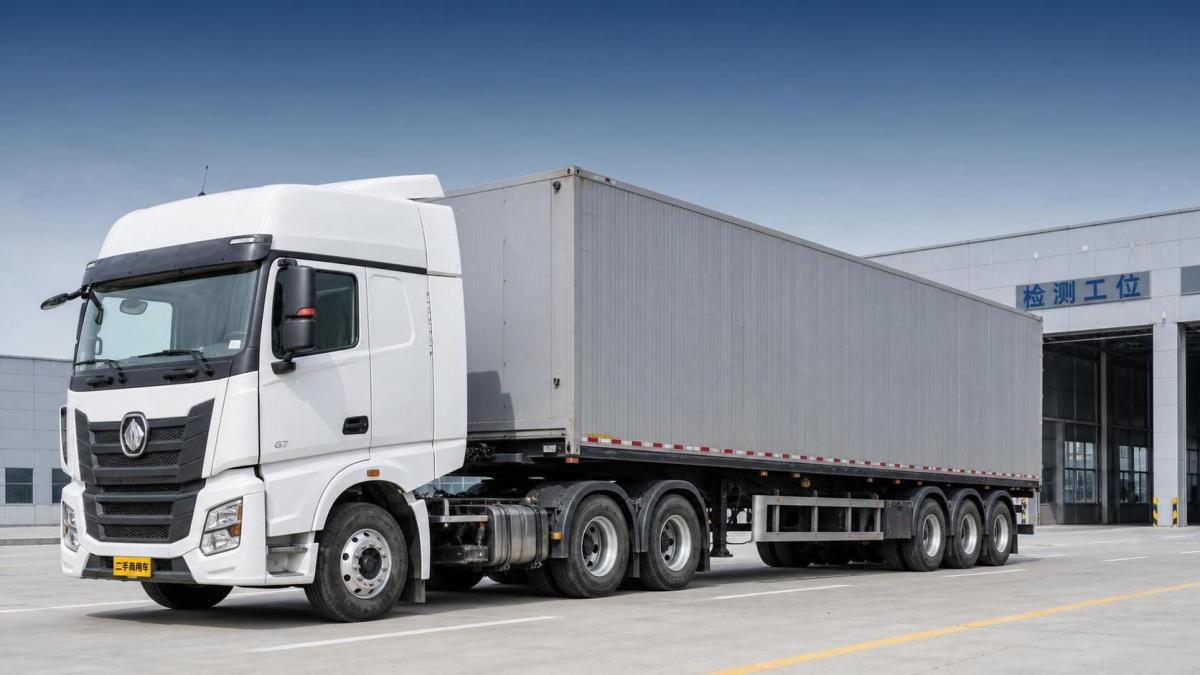
Before checking cosmetic condition or negotiating price, technical buyers should confirm whether the used truck is mechanically suitable for the trailer application. In trailer operations, mismatch is a major hidden risk. A tractor designed for lighter regional freight may underperform when paired with a 3-axle semi-trailer on long-distance routes with high gross combination weight.
Cheduoduo used truck selection becomes more reliable when buyers define 4 baseline factors first: trailer type, payload range, route length, and loading frequency. For example, a truck assigned to daily 300–500 km runs with container chassis duty faces a different stress pattern than one moving low-bed trailers for machinery transport twice a week.
Key Matching Points Between Truck and Trailer
The first technical check is fifth-wheel compatibility. Height mismatch between the tractor and trailer kingpin plate can affect load balance, tire wear, and braking stability. Even a small alignment issue can increase uneven suspension loading over thousands of kilometers. Buyers should verify coupling height, locking condition, wear marks, and plate deformation before proceeding.
Next comes axle and drivetrain suitability. Common tractor configurations such as 4x2, 6x4, and 6x2 are not interchangeable for every trailer task. A 6x4 setup is often preferred for heavier semi-trailer loads or mixed road conditions, while a 4x2 may fit lighter highway work where gross train weight and gradient demands are lower.
Engine output should be judged against duty cycle rather than headline horsepower alone. Buyers should review torque delivery, gearbox matching, and rear axle ratio. In trailer hauling, insufficient low-end torque can cause poor launch performance, more clutch wear, and higher fuel use, especially when the vehicle starts repeatedly under full load.
The table below shows how technical teams can map used truck configurations to typical trailer applications during Cheduoduo used truck selection.
The main lesson is simple: truck value depends on trailer fit. In many trailer fleets, the wrong drivetrain or coupling setup creates costs that are not visible during the first 30 days, but become obvious after 3–6 months through tire wear, fuel loss, brake imbalance, and more frequent workshop visits.
Questions Technical Buyers Should Ask Early
- What trailer type will the truck tow at least 70% of the time?
- What is the expected payload band: light, medium, or near full rated capacity?
- Will the route include steep grades, unpaved access roads, or port stop-start traffic?
- Is the truck expected to operate 5 days per week or closer to 24/7 rotation?
These questions help narrow selection faster than price filtering alone. In Cheduoduo used truck selection, a truck that is 8% more expensive but technically aligned with the trailer duty profile may deliver lower total cost within the first year of service.
Inspect Core Mechanical Condition Before Negotiation
Once application fit is confirmed, the next priority is mechanical reality. Used trucks in trailer service often experience high load cycles, extended idling, and repeated braking under combination weight. Technical buyers should treat the engine, transmission, chassis, and braking system as the four most critical inspection domains.
Engine, Cooling, and Exhaust System
Start with cold-start behavior if possible. A cold engine reveals more than a warm one. Hard starting, excessive white or blue smoke, unstable idle over the first 3–5 minutes, or delayed oil pressure response may indicate wear, injector issues, compression loss, or incomplete prior maintenance. These are especially important for tractors pulling loaded trailers over long routes.
Cooling performance matters as much as power output. Heavy trailer hauling creates sustained thermal stress. Buyers should inspect radiator condition, hose aging, fan clutch response, and signs of coolant mixing. Overheating under load is one of the most expensive risks because it can lead to downtime far from the depot and secondary engine damage.
The exhaust and aftertreatment system also deserves careful review where applicable. In many markets, emission-related repairs are not minor costs. A truck with frequent warning lights, incomplete regeneration history, or unauthorized modifications may become difficult to register or expensive to return to compliant operating condition.
Transmission, Clutch, and Axle Performance
Trailer operations put heavy demand on driveline parts. During Cheduoduo used truck selection, buyers should test gear engagement across low and high ranges, especially under light moving load if a road test is available. Delayed shifting, grinding, clutch slip, or driveline vibration under acceleration usually deserves deeper diagnosis before any commitment.
Rear axle noise during coast-down or throttle transitions can point to wear that becomes expensive later. If the truck will tow semi-trailers on high-mileage routes, even moderate driveline issues can scale quickly into lost utilization. A fleet that runs 8,000–12,000 km per month cannot afford to discover major axle or gearbox problems after delivery.
Frame, Suspension, and Brake System
The chassis frame is especially important in trailer-related work. Visual inspection should include crossmembers, weld repairs, rust concentration, torsional stress marks, and deformation around suspension mounting points. Previous overloading or improper trailer pairing can leave signs that are easy to overlook but costly to correct.
Suspension should be checked for bushing wear, airbag condition where fitted, leaf spring cracks, and shock absorber leakage. Brake system inspection should include air pressure build-up time, chamber condition, slack adjuster behavior, and signs of uneven braking. In articulated combinations, poor tractor brake performance directly affects trailer control and road safety.
A Practical 6-Point Workshop Checklist
- Cold-start engine test and idle stability review
- Fluid inspection for oil, coolant, and transmission contamination
- Gearbox and clutch operation under movement
- Frame and fifth-wheel crack or weld inspection
- Brake air system response and leakage check
- Tire wear pattern review for alignment or axle stress clues
This 6-point process gives technical buyers a more objective basis for comparison. In Cheduoduo used truck selection, workshop-level inspection often separates a usable tractor from one that only appears acceptable in photos or basic sales descriptions.
Verify Mileage, Records, and Compliance Risk
Mechanical condition tells only part of the story. Documentation quality often predicts ownership risk just as strongly. For trailer fleet operators, gaps in mileage accuracy, servicing records, or compliance papers can delay deployment, weaken resale value, and complicate insurance or registration procedures.
Mileage Should Be Cross-Checked, Not Simply Accepted
Odometer reading alone is not enough. Buyers should compare mileage with pedal wear, seat condition, steering wheel finish, service intervals, tire production dates, and engine-hour patterns where available. A tractor showing relatively low mileage but heavy wear around the cab and chassis deserves closer scrutiny.
For trailer applications, usage intensity matters more than one headline number. A truck used on short-haul port rotation may have lower kilometers but higher clutch, brake, and idle stress than a highway tractor covering longer distance at steady speed. That is why Cheduoduo used truck selection should assess both mileage and use profile together.
Maintenance Records Reveal Cost Predictability
Look for service frequency, component replacement history, and consistency of maintenance intervals. Records showing oil changes every 20,000–30,000 km, scheduled brake work, cooling system attention, and documented tire rotation usually indicate more disciplined ownership than trucks with scattered invoices and long undocumented gaps.
Buyers should also watch for major repairs that affect future reliability. Engine overhaul, transmission rebuild, frame welding, or recurring air system issues are not automatic rejection points, but they require technical review. The key question is whether repairs were corrective and complete, or merely temporary fixes to keep the tractor moving.
The following table helps technical teams score documentary risk before closing a deal.
A complete paper trail does not guarantee perfect condition, but it significantly improves decision quality. In trailer-related fleet purchases, good documentation often reduces inspection uncertainty and shortens the time needed to move a truck from sourcing to operational dispatch.
Compliance Matters More Than Many Buyers Expect
Technical buyers should confirm whether the used truck meets local axle load rules, braking requirements, and emission standards for the intended operating area. A tractor that is mechanically sound but non-compliant for key routes may lose value immediately because it cannot be paired legally with the planned trailer workload.
This is particularly relevant when the truck will serve specialized trailer segments such as hazardous cargo, refrigerated transport support, or cross-regional freight. Even one unresolved compliance item can turn a 7-day procurement plan into a 30-day correction project.
Build a Decision Model Around Total Operating Value
The final stage of Cheduoduo used truck selection is converting inspection findings into a purchasing decision. Technical buyers should avoid yes-or-no judgment based on appearance or price alone. A more effective method is to score the truck across several weighted categories linked directly to trailer fleet performance.
A Simple Scoring Framework for Technical Procurement
Many buyers use 5 core dimensions: application fit, mechanical condition, compliance status, maintenance transparency, and near-term repair budget. Each area can be scored from 1 to 5. A truck that scores 22 out of 25 may justify a faster purchase decision than a cheaper option scoring only 16, especially when trailer uptime is operationally critical.
It is also useful to forecast the first 90 days of spend. Include inspection correction, tire replacement, brake service, fluids, filters, and coupling-related adjustments. In trailer operations, these early costs often define whether the truck was truly a value purchase or only a low entry-price asset.
Common Buying Mistakes to Avoid
- Choosing by odometer only without checking actual work intensity
- Ignoring fifth-wheel and trailer height compatibility
- Accepting incomplete maintenance records to save time
- Overlooking frame repairs because the engine sounds healthy
- Underestimating compliance costs after cross-region purchase
These mistakes are common because they are easy to postpone during sourcing, but expensive to correct later. For technical teams in trailer transport, disciplined screening usually produces better long-term returns than aggressive price negotiation on a weak unit.
When to Move Forward and When to Walk Away
A good candidate usually shows three signals: technical fit with the intended trailer, verifiable service history, and manageable repair needs within a defined budget range. If two of these three are missing, buyers should slow down. If all three are uncertain, it is often more efficient to reject the unit and continue sourcing.
Cheduoduo used truck selection works best when procurement, maintenance, and operations teams review the same checklist. That cross-functional approach improves accuracy, shortens approval cycles, and reduces the risk of buying a tractor that performs poorly once attached to real trailer loads.
For technical buyers in the trailer industry, the first checks in used truck selection should focus on compatibility, structural integrity, drivetrain health, record transparency, and compliance readiness. Those factors shape uptime, safety, and operating cost far more than the initial purchase number alone. If you want to evaluate used trucks more systematically for trailer hauling, contact us to get a tailored assessment checklist, discuss product details, or explore more practical sourcing solutions.