
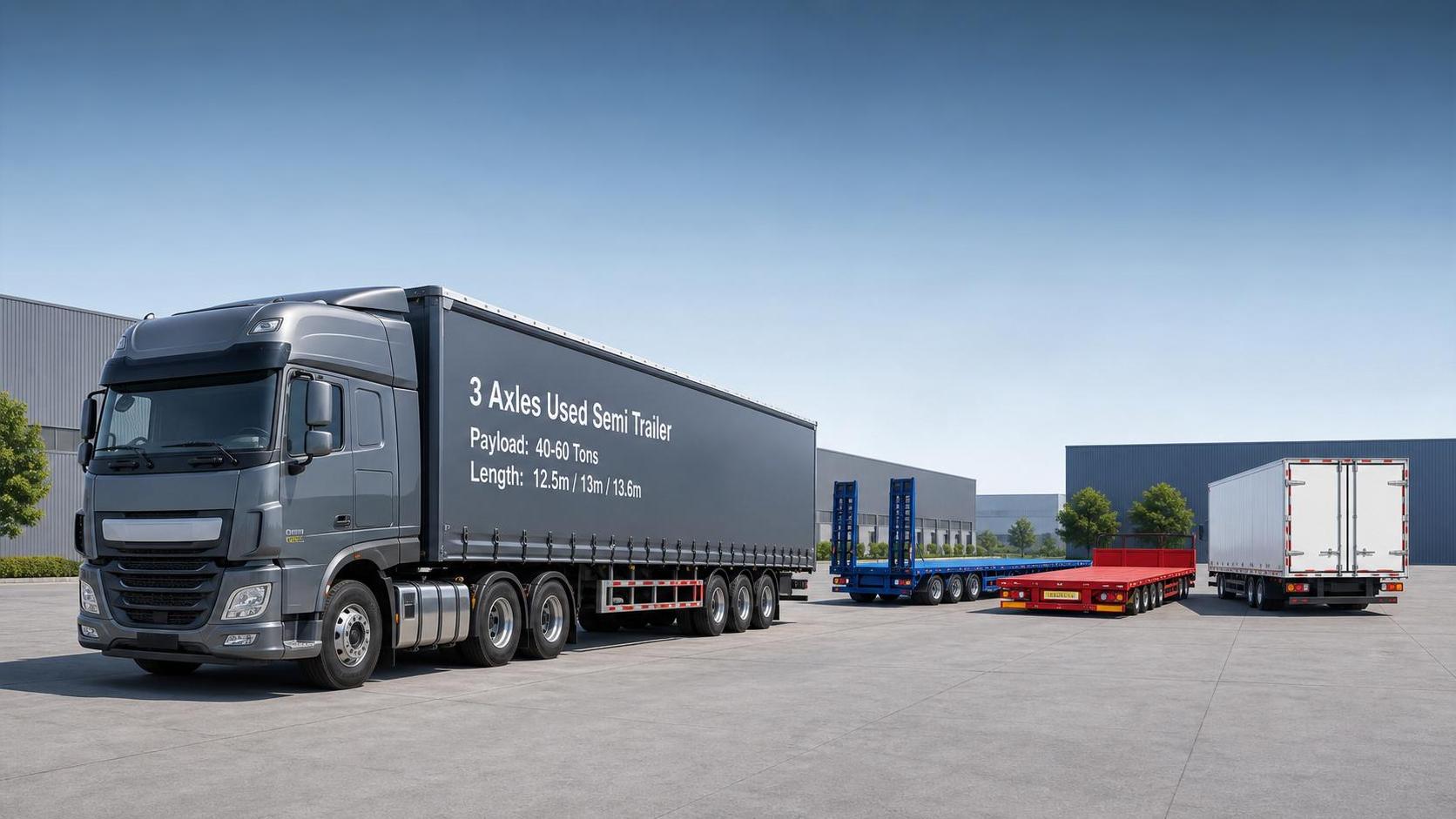
Why the Right Used Semi-Trailer Choice Matters
Choosing a used semi-trailer is rarely a simple price comparison.
The trailer has to match cargo weight, loading method, route conditions, and maintenance expectations over time.
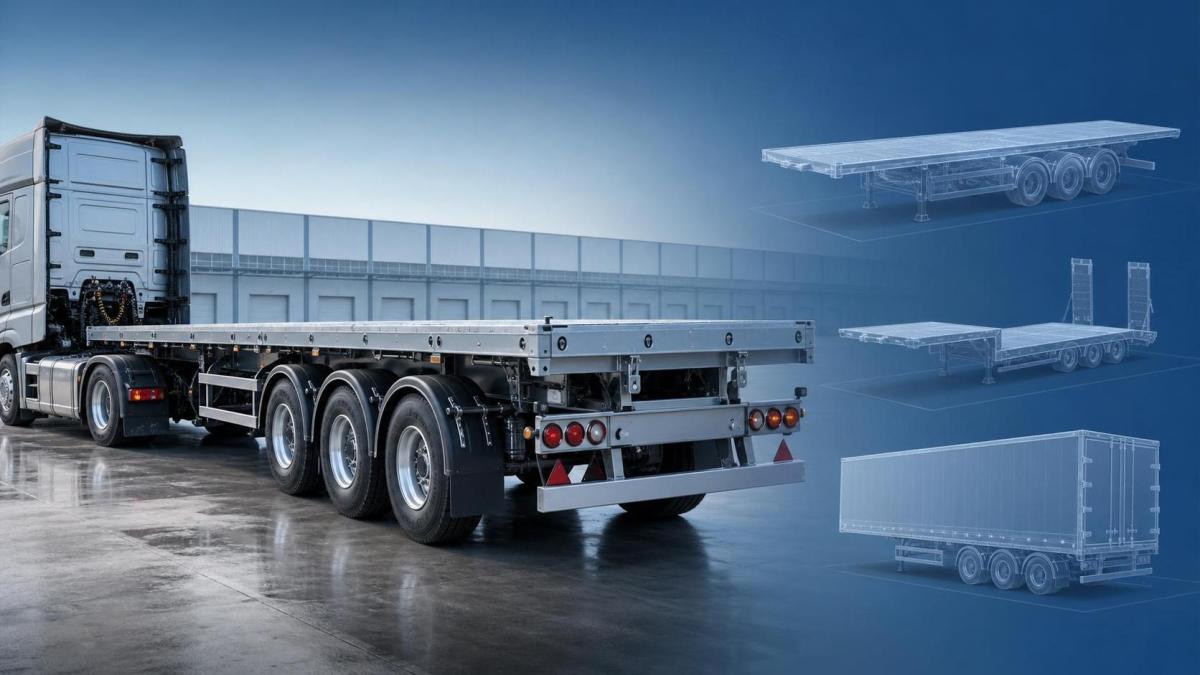
A low purchase price can look attractive, yet the wrong specification often creates higher fuel use, downtime, tire wear, and loading inefficiency.
That is why a used semi-trailer should be judged as a working asset, not only as a second-hand vehicle.
In freight operations, the best buying decisions usually come from aligning trailer type, dimensions, and structure with real transport demand.
Once those basics are clear, inspection and negotiation become far more precise.
Start With Load Reality, Not the Listing
Before comparing any used semi-trailer, define the load profile in practical terms.
Weight alone is not enough.
Cargo density, length, height, center of gravity, pallet pattern, and unloading method all affect the correct trailer choice.
A trailer carrying steel coils faces different demands than one hauling packaged consumer goods or construction equipment.
Route conditions matter just as much.
Long highway runs favor one setup, while regional delivery, poor road surfaces, or mixed terrain may require another.
Clearance limits, bridge laws, and axle regulations should be checked early.
A used semi-trailer that looks capable on paper may still be inefficient or noncompliant on the routes that actually matter.
Trailer Types and Where They Fit Best
Different trailer designs solve different freight problems.
Choosing the wrong body style often creates loading delays, cargo risk, or underused capacity.
If the trailer will work with a new tractor unit, compatibility should be reviewed early.
For example, some fleets compare used trailer options alongside tractor configurations such as Shaanxi Heavy-Duty Truck Tractor SHACMAN F3000 Tractor Truck Head 400HpTrailer Truck New for Sale.
That comparison helps confirm fifth wheel height, brake connections, and operating balance across the full combination.
Key Specifications Worth More Attention
A used semi-trailer should be screened by specification before physical inspection.
This step removes units that are cheap but fundamentally unsuitable.
Payload and gross capacity
Check rated payload against actual cargo patterns, not the highest possible load on rare occasions.
Consistent overloading shortens axle, suspension, and tire life very quickly.
Axle count and spacing
Axle layout affects legal compliance, stability, maneuverability, and maintenance cost.
A three-axle used semi-trailer may fit highway freight well, but local regulations still decide the real advantage.
Suspension and braking
Mechanical suspension is durable and simple.
Air suspension improves ride quality and can better protect sensitive cargo.
Brake chambers, lines, ABS components, and drum or disc condition deserve close inspection.
Dimensions and deck height
Length, width, and deck height affect load flexibility and route access.
A used semi-trailer that is too tall or too long can limit dispatch options despite having strong capacity.
Material and tare weight
Steel trailers usually offer strength and easier repair.
Aluminum can reduce tare weight, though repair costs and availability may differ by region.
What to Inspect Beyond the Sales Description
Listings often highlight axle brand, tire condition, or paintwork.
Those details matter, but they do not tell the full story.
- Look for cracks, rewelded sections, and corrosion around the main beams.
- Check whether the trailer sits level on flat ground.
- Inspect kingpin wear and signs of poor coupling alignment.
- Review tire wear patterns for hints of suspension or axle issues.
- Test lighting, air lines, landing gear, and electrical connectors.
- Confirm VIN, registration records, and maintenance history.
A used semi-trailer with a clean structure but worn consumables may still be a sound buy.
The reverse is much riskier.
Fresh paint can hide repairs, so surface appearance should never replace structural inspection.
Operating Cost Often Changes the Best Choice
Two used semi-trailer options with similar purchase prices can perform very differently over twelve to twenty-four months.
This is where buying discipline matters.
Parts availability, tire size standardization, brake component commonality, and workshop familiarity all influence the total cost of ownership.
Downtime is especially expensive when a trailer is tied to time-sensitive freight.
It also helps to think in combinations rather than isolated units.
When a used semi-trailer will be paired with a tractor in a fleet renewal plan, drivetrain power, coupling height, and route profile should all align.
That is one reason some buyers review tractor options like Shaanxi Heavy-Duty Truck Tractor SHACMAN F3000 Tractor Truck Head 400HpTrailer Truck New for Sale while finalizing trailer specifications.
The objective is not promotion.
It is making sure the hauling system works as one practical unit.
A Practical Way to Compare Options
A simple evaluation sheet can reduce subjectivity and speed up decisions.
This approach keeps the discussion tied to measurable needs.
It also makes it easier to justify why one used semi-trailer is more suitable than another, even if the sticker price is higher.
Move From Shortlist to Decision With Clear Criteria
A good used semi-trailer decision usually comes from disciplined narrowing, not fast selection.
Start by defining the most frequent loads, then remove trailer types that do not match those conditions.
After that, compare specification fit, inspect structural health, and estimate likely operating cost.
When several units remain close, route compliance and maintenance simplicity often become the deciding factors.
The most useful next step is to build a short checklist around load, trailer type, axle setup, structural condition, and tractor compatibility.
That turns a broad market search into a more reliable used semi-trailer purchase decision.