
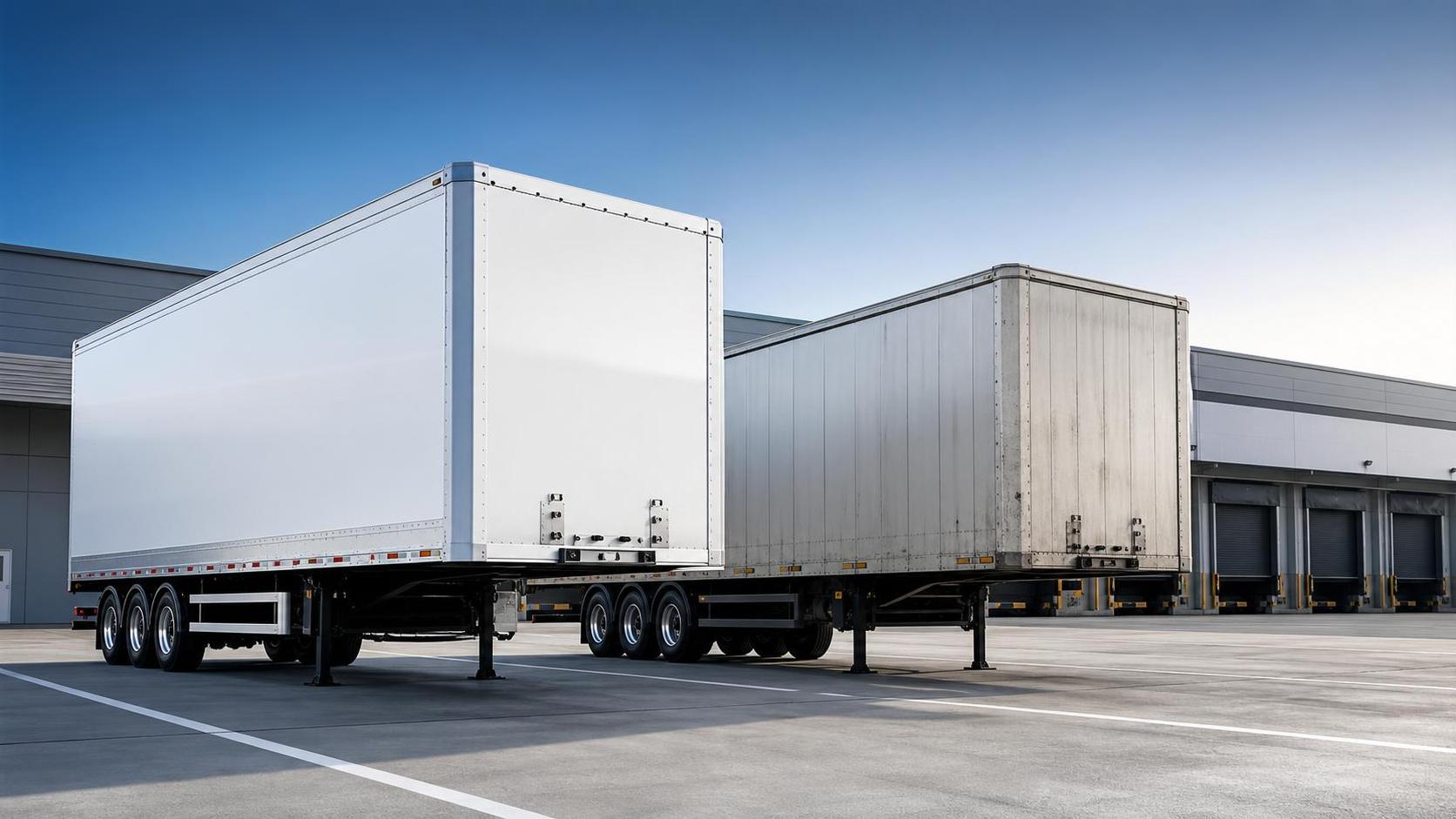
Used Semi-Trailer vs New: Which Option Delivers Better Total Cost Value?
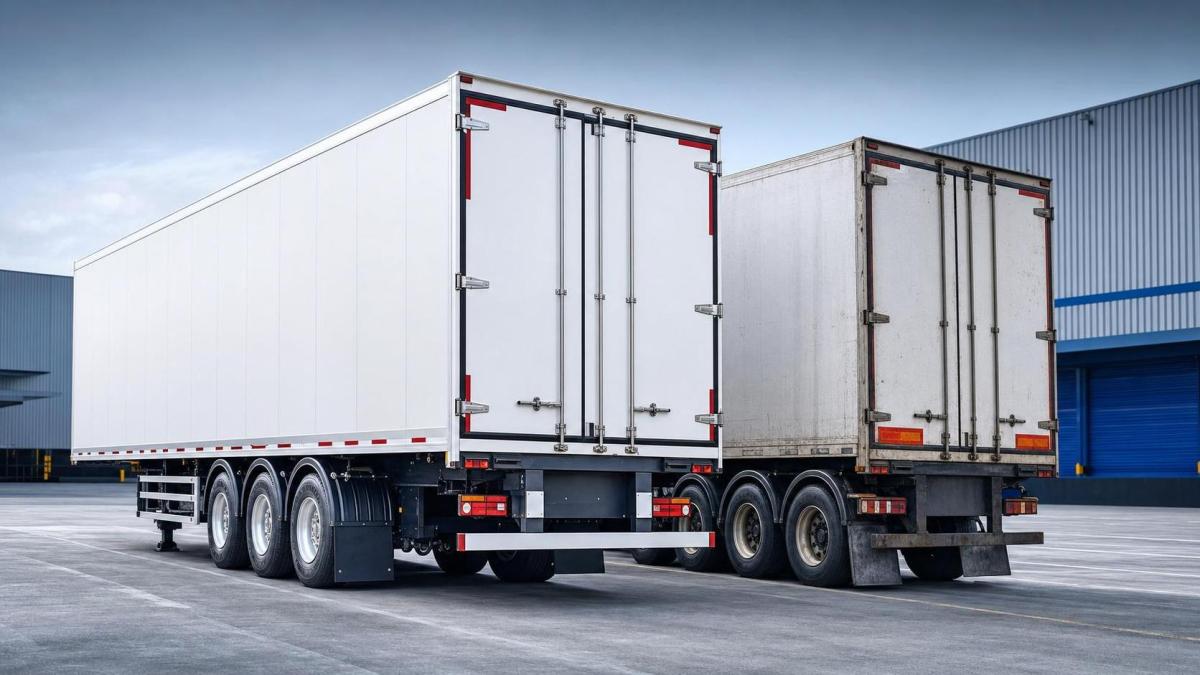
For finance decision-makers, trailer buying rarely starts with specs alone. It starts with total cost, cash flow pressure, and how fast the asset earns back its place.
That is why the used semi-trailer versus new debate matters. The lower sticker price of a used semi-trailer can look attractive, but long-term value depends on more than upfront savings.
Depreciation, financing terms, repair frequency, downtime risk, and resale value all shape the real cost of ownership. A good procurement decision balances each factor, not just one line item.
In practice, the best choice depends on route intensity, replacement cycles, maintenance discipline, and budget structure. Some fleets gain more from predictability. Others gain more from lower acquisition cost.
This guide breaks the comparison into workable cost categories, so the used semi-trailer decision becomes a financial model, not a guess.
Start with Purchase Price, but Do Not Stop There
A new semi-trailer usually demands the highest upfront capital. That affects liquidity, borrowing room, and approval speed, especially when several units are purchased at once.
A used semi-trailer often enters the budget more easily. Lower purchase cost can free capital for tires, telematics, working inventory, or other operating needs.
Still, a lower purchase price does not automatically mean better total cost value. It only means lower entry cost. The real question is what happens over the next three to seven years.
- New units reduce immediate repair uncertainty.
- Used units reduce capital exposure at the start.
- The better option depends on utilization and holding period.
Depreciation Often Favors the Used Semi-Trailer
Depreciation is where a used semi-trailer often gains a clear edge. New equipment loses value fastest in the first years, and that drop hits total asset efficiency hard.
When you buy used, a large share of early depreciation has already happened. That can make the balance between acquisition cost and future resale much more favorable.
This matters even more when replacement cycles are short. If the fleet plans to rotate equipment in three to five years, reduced depreciation can materially improve total cost value.
However, depreciation benefits only hold if the trailer was bought at the right condition and price. Overpaying for a heavily worn unit cancels the advantage quickly.
Financing Costs Can Shift the Equation
Financing is not always cheaper for used equipment. New trailers often qualify for stronger loan terms, lower rates, and longer tenors from banks or manufacturer-linked programs.
A used semi-trailer may carry a higher rate or require more equity upfront. That can reduce part of the savings created by the lower purchase price.
Even so, the total financing burden is often still lower because the principal amount is smaller. Monthly cash flow can remain easier to manage, especially in uncertain freight conditions.
The right comparison is simple: calculate total interest paid, not just the rate. A higher rate on a much smaller loan can still be the cheaper outcome.
Maintenance and Repair Risk Need a Hard Look
This is where many purchase decisions become too optimistic. A used semi-trailer can save money fast, but hidden wear can also create steady cost leakage.
Brakes, suspension parts, landing gear, lighting systems, flooring, and frame condition should all be reviewed before approval. Maintenance history matters almost as much as physical inspection.
A new trailer usually delivers better predictability in the first operating years. Fewer surprise repairs mean easier budgeting and less emergency spending.
But not every used semi-trailer is high risk. A well-maintained unit from a reliable source may perform with very acceptable repair cost, especially under moderate duty cycles.
- Request service records and prior ownership details.
- Price expected repairs before signing.
- Build a repair reserve into the approval model.
Downtime May Cost More Than the Trailer Itself
A trailer that sits in the yard during repair is not a cheap asset. It is a cost center that delays loads, increases scheduling pressure, and weakens revenue consistency.
That is why total cost analysis should assign a value to downtime. The used semi-trailer question is not only about maintenance invoices. It is also about lost utilization.
For high-mileage or time-sensitive operations, new equipment often wins because uptime has a direct revenue effect. In lower-intensity operations, used units may still provide the better return.
The practical rule is straightforward: the more expensive downtime becomes, the stronger the case for newer assets.
Resale Value Matters at Exit, Not Just Entry
Many buyers model purchase and operating cost, then underestimate exit value. That creates a distorted view of total cost.
A used semi-trailer bought well can often be sold later with limited additional value loss. That protects capital better than many expect.
A new trailer may still retain good value, but the owner absorbs the sharpest portion of depreciation first. Exit timing becomes much more important.
Condition, brand reputation, maintenance discipline, and market demand all influence resale. A disciplined lifecycle plan improves both used and new outcomes.
When a Used Semi-Trailer Usually Makes More Sense
A used semi-trailer often delivers better total cost value when operations can tolerate moderate maintenance risk and when capital efficiency is a top priority.
This is common in regional work, seasonal peaks, backup fleet roles, or expansion periods where preserving cash matters more than getting the newest unit.
It can also make sense when the buying team has strong inspection capability and clear repair cost controls. Good procurement discipline lowers used-equipment risk significantly.
In adjacent commercial vehicle segments, buyers often apply the same logic. For example, some fleets compare ownership efficiency across trucks and trailers before allocating capital to replacements.
That is one reason listings like High Efficiency Simple Maintenance Durable Used Howo Truck Used Howo Dump Truck Used Howo 8x4 Dump Truck in Stock attract attention from cost-focused buyers evaluating broader equipment strategy.
When Buying New Usually Delivers Better Value
New trailers usually justify themselves in demanding operations. That includes long-haul lanes, strict uptime environments, or fleets with lean maintenance capacity.
They also make more sense when repair disruptions carry high opportunity cost. If every missed load affects service penalties or contract stability, predictability has real financial value.
New assets can also support standardization. That lowers parts complexity, improves workshop planning, and simplifies lifecycle management across the fleet.
In those settings, the premium paid upfront may be recovered through uptime, smoother budgeting, and fewer operational surprises.
A Simple Total Cost Framework for Approval
Use this framework as a base model. Then add local assumptions for mileage, repair labor, load value, utilization rate, and expected holding period.
That approach creates a decision tied to business reality, not market noise.
The Better Choice Depends on Cost Discipline
A used semi-trailer can deliver excellent total cost value when bought carefully, inspected thoroughly, and matched to the right operating profile.
A new trailer can justify its premium when uptime, standardization, and budgeting stability outweigh the benefits of a lower entry price.
The strongest procurement decisions compare full lifecycle cost, not purchase price alone. That means pricing depreciation, financing, maintenance, downtime, and resale in one model.
Before approval, review two scenarios side by side: best-case used performance and realistic used performance. That gap usually reveals whether the savings are durable.
When the numbers are built with that level of discipline, the used semi-trailer question becomes much easier to answer with confidence.