
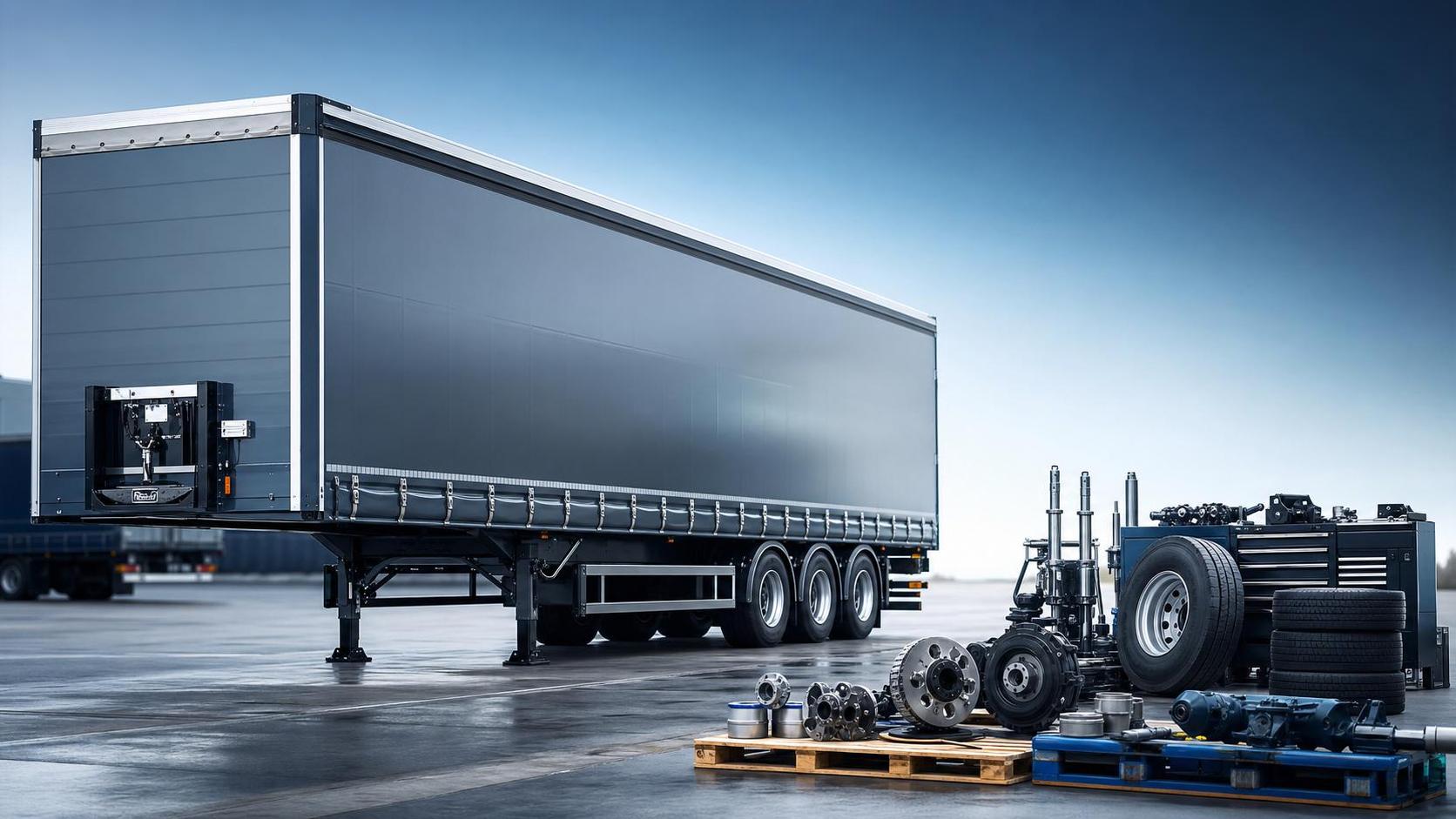
Used Semi-Trailer Price Factors: How to Judge Real Value Before You Buy
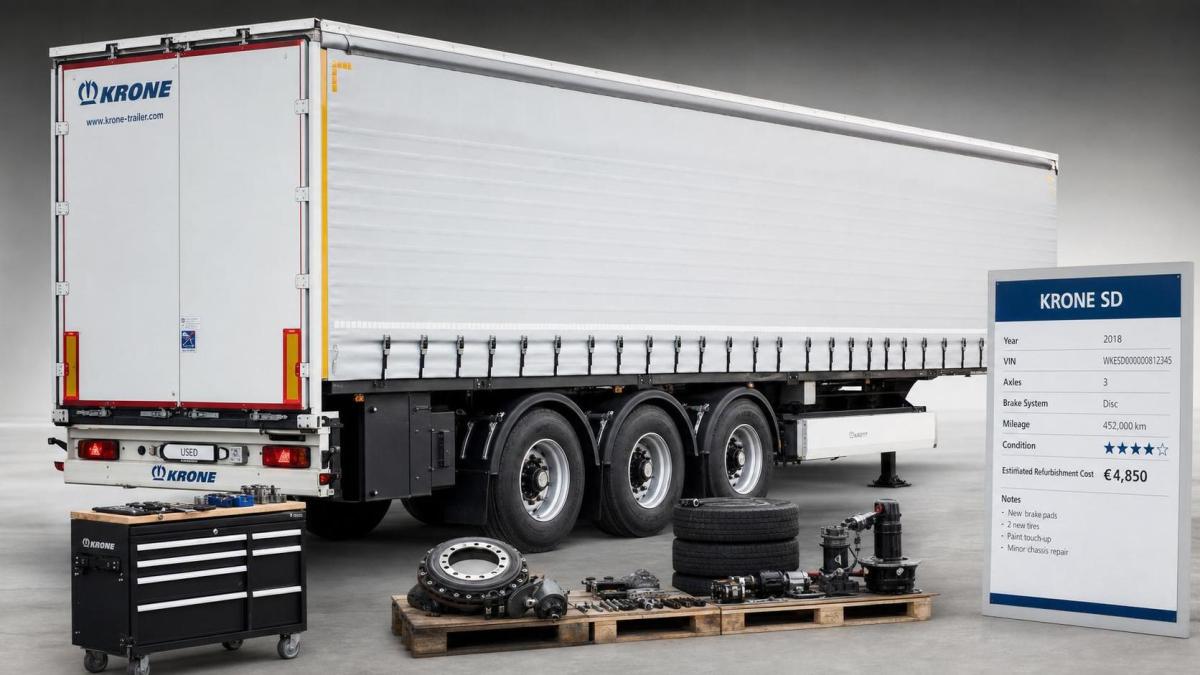
Understanding what drives a used semi-trailer price is essential for stronger purchasing decisions. A low asking price can look attractive, yet total ownership cost may tell a different story.
Age, brand, condition, and refurbishment cost shape the true value of a used semi-trailer. Each factor affects uptime, resale potential, compliance risk, and operating margins.
In practice, the best deal is rarely the cheapest unit. It is the trailer that supports revenue with fewer repairs, better utilization, and a longer service window.
This guide breaks down the main used semi-trailer price factors and shows how to compare options with more discipline.
Why Used Semi-Trailer Prices Vary So Much
Two trailers can look similar on paper and still have very different market values. The gap usually comes from hidden cost drivers rather than surface appearance.
A used semi-trailer with clean structural history, reliable axles, and documented maintenance often commands a premium. Buyers pay for predictability as much as hardware.
By contrast, a lower-priced used semi-trailer may carry deferred repairs, weak tires, worn suspension parts, or corrosion that turns into expensive downtime.
Market conditions also matter. Regional freight demand, trailer type availability, and steel or parts costs can push used semi-trailer prices up or down.
The Four Core Pricing Drivers
- Chronological age and remaining useful life
- Brand reputation and parts support
- Actual condition, not cosmetic finish alone
- Refurbishment cost required before deployment
Age Matters, but It Is Not the Whole Story
Age is the first filter in most used semi-trailer searches. Older units usually cost less, but age alone does not define economic value.
A seven-year-old used semi-trailer with disciplined maintenance may outperform a newer one that ran overloaded routes with limited service records.
Look at usage intensity alongside model year. Highway mileage, road conditions, load patterns, and storage habits often reveal more than registration documents.
This also affects financing and resale. Some buyers prefer younger used semi-trailer inventory because future remarketing is easier and compliance uncertainty is lower.
What to Check Beyond the Year
- Service records and inspection frequency
- Signs of frame fatigue or repaired cracks
- Floor wear, wall damage, and roof sealing
- Brake system age and axle history
- Evidence of long-term outdoor exposure
Brand Reputation Can Protect Long-Term Cost
Brand matters because it influences durability, resale confidence, and access to replacement parts. That is why similar used semi-trailer models can price differently.
Well-known trailer brands often hold value better. Buyers trust established engineering, stronger dealer networks, and more consistent documentation standards.
Less recognized brands are not automatically poor choices. They can offer good value when specification, condition, and support availability are properly verified.
The practical issue is parts lead time. A lower-priced used semi-trailer loses its advantage quickly if basic components are hard to source during peak operations.
This logic applies across transport equipment categories. For example, evaluating support and service access also matters when reviewing assets like Sinotruk HowoHeavy Cargo Hydraulic Folding Boom Truck Mounted Crane Efficient Truck Cranes.
Brand Questions Worth Asking
- Are wear parts easy to source in your operating region?
- Is there enough service knowledge in local workshops?
- Does the brand keep resale demand in your market?
- Are certain model years known for recurring issues?
Condition Has the Biggest Impact on Real Buying Cost
Condition is usually the decisive factor in used semi-trailer pricing. It directly shapes immediate repair expense and the risk of operational interruption.
Start with structural integrity. Frame distortion, rust penetration, poor weld repairs, and crossmember damage can turn a bargain into a liability.
Then move to wear systems. Tires, brakes, suspension, landing gear, lights, air lines, and electrical harnesses often determine how fast a trailer can enter service.
Cosmetic improvements should be treated carefully. Fresh paint can improve presentation, but it should never distract from deeper inspection findings.
High-Risk Condition Signals
- Uneven tire wear that suggests alignment or suspension problems
- Corrosion near critical load-bearing points
- Moisture damage in flooring or interior panels
- Repeated brake or air leak repairs
- Missing maintenance history for major components
A professional pre-purchase inspection is usually money well spent. It gives a clearer picture of the used semi-trailer beyond seller claims and listing photos.
Refurbishment Cost Can Change the Entire Deal
Refurbishment cost is where many buying decisions go wrong. The listed price of a used semi-trailer is only the opening number.
Before approving a purchase, estimate what it takes to bring the trailer to working condition. Include parts, labor, compliance checks, and time out of service.
Some repairs are straightforward, such as tires, lighting, or mudguards. Others, like frame corrections or major axle work, can erase any price advantage.
In real operations, speed matters too. A used semi-trailer needing three weeks in the shop may cost more than a higher-priced unit ready to run tomorrow.
Refurbishment Budget Checklist
- Tires, wheels, and alignment
- Brake chambers, drums, discs, and lines
- Suspension bushings and axle service
- Floor, roof, side panel, or door repairs
- Lighting, wiring, reflectors, and testing
- Paint, corrosion treatment, and labeling
A Simple Framework for Comparing Used Semi-Trailer Options
A disciplined comparison method makes used semi-trailer sourcing more reliable. It keeps attention on total value instead of headline discount.
Score each used semi-trailer against these categories before negotiating. A structured review usually creates better leverage and fewer surprises after delivery.
When a Higher Price Is Actually the Better Buy
A more expensive used semi-trailer can still produce lower total cost. The difference often comes from faster deployment and lower repair uncertainty.
If the unit has strong records, sound structure, and limited refurbishment needs, it may support revenue sooner and avoid workshop congestion.
This is especially relevant in tight operating periods. One extra week of usable capacity can outweigh a modest price gap.
The same procurement discipline can strengthen broader fleet planning, whether you are assessing a used semi-trailer or support equipment such as Sinotruk HowoHeavy Cargo Hydraulic Folding Boom Truck Mounted Crane Efficient Truck Cranes.
Final Buying Guidance
A smart used semi-trailer purchase starts with a simple question: what will this unit cost after inspection, refurbishment, and the first months of operation?
Use age as a starting point, not a final verdict. Verify brand support, inspect condition deeply, and budget refurbishment with realistic labor and downtime assumptions.
When those factors are reviewed together, used semi-trailer pricing becomes easier to judge. Better decisions usually come from full cost visibility, not aggressive bargaining alone.
Build each comparison around long-term operating value, and the right used semi-trailer becomes much easier to identify.