
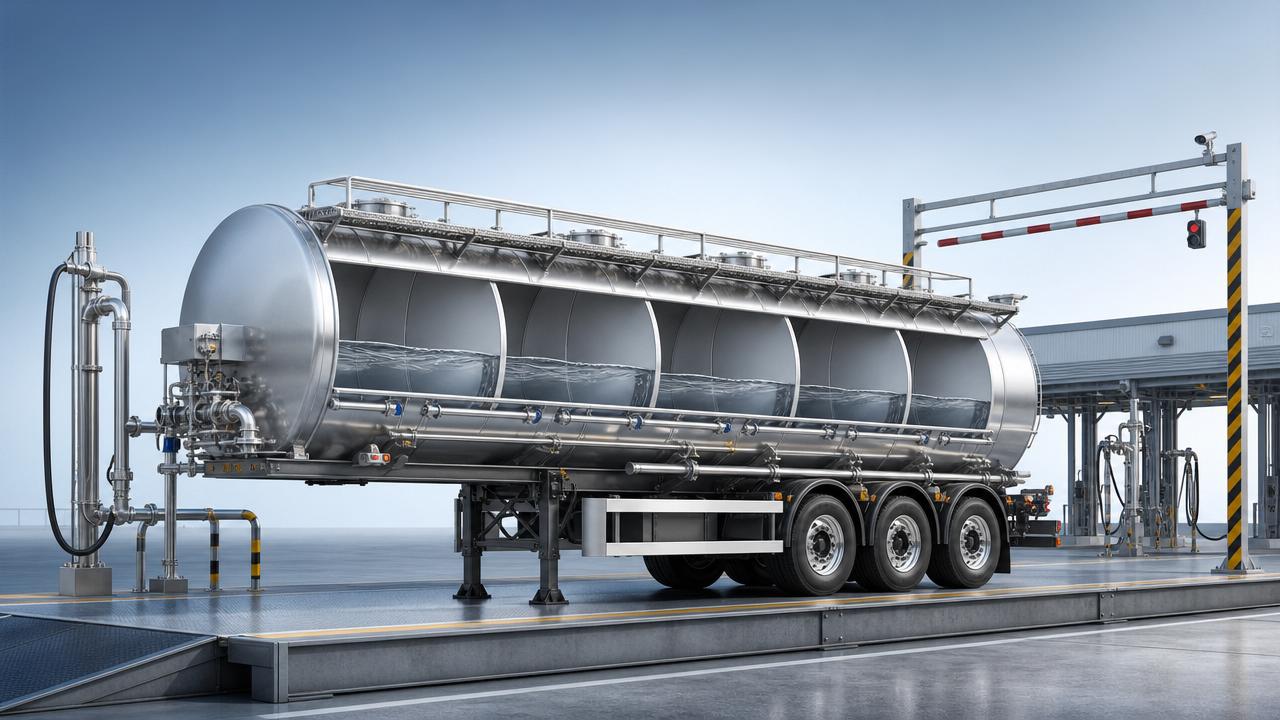
Choosing a tank truck is not only about volume—it directly affects transport efficiency, compliance, operating costs, and delivery flexibility. So, how do you choose the right tank truck capacity? Buyers should look beyond the largest option and evaluate cargo type, route conditions, weight limits, unloading needs, and future business plans. A smart capacity choice helps reduce waste, improve safety, and support long-term profitability.
Why Tank Capacity Should Be Matched to the Job, Not Just Maximized
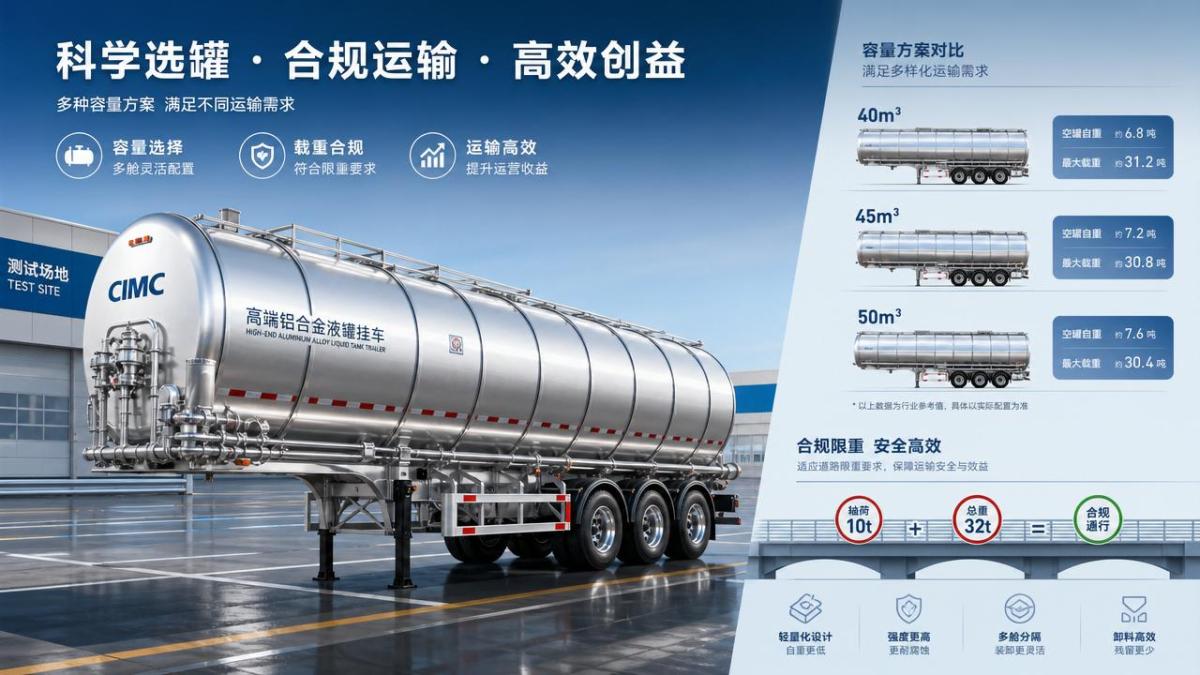
Many buyers start by asking for the biggest tank available, assuming more volume means better returns. In practice, the right capacity depends on what you carry, where you deliver, and how often you load.
If the tank is too large, you may hit legal weight limits before using full volume. If it is too small, you may need extra trips, higher labor input, and lower delivery efficiency.
That is why the real question is not simply tank size. It is how do you choose the right tank truck capacity for your specific operation, cargo profile, and customer requirements.
For trailer buyers in liquid transport, capacity should support stable utilization, safe movement, and profitable scheduling. A good decision balances payload, compliance, unloading speed, and the practical realities of the route.
What Product Are You Transporting and How Does It Affect Capacity?
The first factor to check is the type of liquid or bulk material being transported. Capacity planning changes significantly depending on whether the cargo is fuel, chemicals, milk, water, edible oil, or other liquids.
Different products have different densities, flow behavior, safety requirements, and contamination risks. A tank that looks large enough by volume may still be unsuitable once weight and compartment needs are considered.
For example, water and some chemicals can quickly push the gross vehicle weight toward legal limits. Lighter liquids may allow more of the nominal volume to be used without exceeding axle restrictions.
Buyers should confirm the product’s density, viscosity, temperature sensitivity, and hazardous classification before discussing tank size. These details influence not only capacity, but also material choice, insulation, and discharge configuration.
If your business carries several products, flexibility matters even more. In that case, the best capacity is often one that works across your most common loads, not one optimized for only rare shipments.
Are Legal Weight Limits More Important Than Tank Volume?
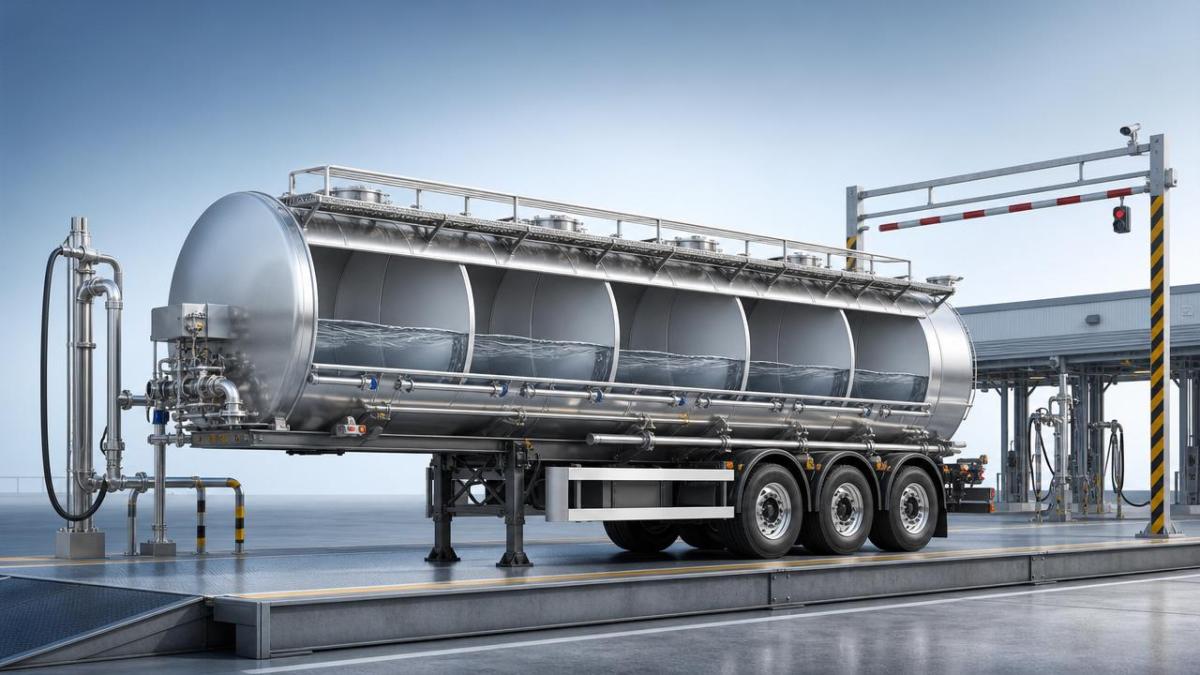
In many cases, yes. A large tank does not automatically mean a large legal payload. Road regulations, axle load limits, and bridge restrictions may prevent a truck from filling the tank completely.
This is one of the most common buying mistakes. A buyer selects a high-volume tank trailer, then discovers that the cargo reaches the maximum allowed weight while part of the tank remains empty.
That unused space represents wasted capital. You paid for extra tank body, extra structure, and possibly more complex chassis design without gaining actual transportable payload on your normal routes.
Before choosing capacity, check national and regional transport rules, tractor compatibility, axle configuration, and typical permit conditions. These factors often define your real working capacity more than the tank shell itself.
It is also wise to review seasonal or route-specific restrictions. Some roads impose different limits during hot weather, harvest periods, or local infrastructure repairs, which can affect daily transport planning.
How Do Route Conditions Influence the Best Tank Size?
Capacity decisions should reflect route reality, not only warehouse loading targets. Long highway runs, urban deliveries, rural roads, and off-road industrial sites place very different demands on tank trailer sizing.
On stable long-distance routes, larger capacity may improve fuel efficiency per delivered unit if weight regulations allow it. Fewer trips can reduce driver time, loading frequency, and overall fleet wear.
However, in cities or narrow access areas, oversized tanks can make turning, positioning, and unloading more difficult. A slightly smaller trailer may improve delivery speed and reduce risk at customer locations.
Road surface quality matters as well. Uneven roads, steep grades, and repeated braking increase liquid surge effects, especially in partially filled tanks. Proper capacity selection should consider baffles, compartments, and stability under motion.
If your routes involve frequent stops, mixed terrain, or remote facilities, practical maneuverability may be more valuable than maximum nominal volume. Buyers should ask how the trailer performs in real operating conditions.
How Often Will You Run Full Loads Versus Partial Loads?
Another key question is utilization. A tank truck should be sized around normal operating patterns, not ideal conditions that happen only occasionally. Many fleets lose efficiency because their equipment does not match actual order sizes.
If your customers usually place medium-volume orders, a very large tank may travel partially filled most of the time. That can reduce operating efficiency and create additional handling concerns during transport.
Partial loads can increase liquid movement inside the tank, depending on design and compartment layout. They may also reduce cost efficiency if you are carrying excess trailer weight without corresponding revenue cargo.
On the other hand, if your business regularly turns away orders or schedules too many repeat runs, capacity may be too small. In that case, a larger tank can improve dispatch efficiency and customer service reliability.
Review three to twelve months of shipment records before buying. Average order size, peak demand periods, and customer distribution patterns provide a far better basis for choosing capacity than assumptions alone.
Do You Need Multiple Compartments Instead of One Large Tank?
Some buyers focus only on total liters or gallons, but internal layout can be equally important. Multiple compartments may create more business value than one single large cavity, especially for mixed delivery operations.
Compartmentalized tanks allow different products or separate batches to travel on one trip. They also support deliveries to several customers without full cross-contamination risk or the need for separate transport units.
This matters for fuel distribution, food-grade transport, and any route with varied unloading points. In these cases, the “right” tank capacity includes not just total volume, but how that volume is divided.
There is a tradeoff, of course. More compartments can add complexity, slightly reduce usable space, and increase cleaning or maintenance requirements. Still, for many operators, the flexibility is worth far more than the lost simplicity.
Buyers should compare revenue opportunities, delivery patterns, and product handling rules before deciding. A slightly smaller but better-divided tank may outperform a larger single-compartment trailer in day-to-day service.
What Should Buyers Check About Loading and Unloading Efficiency?
Tank capacity affects more than transport volume. It also influences how long the vehicle spends loading, waiting, discharging, and cleaning. These time costs directly affect fleet productivity and customer satisfaction.
If unloading points have limited pump capacity or strict appointment windows, a larger tank may not always be the best choice. A big load that takes too long to discharge can disrupt the rest of the day’s schedule.
The same is true for top loading, bottom loading, gravity discharge, and pump-assisted unloading. Your tank capacity should fit the infrastructure used at your depots and customer sites, not just your warehouse preference.
Cleaning cycles are another overlooked issue. Some products require frequent washing or strict sanitation procedures. A larger tank can mean more cleaning time, higher water or chemical use, and longer turnaround between jobs.
Ask practical questions before purchase: how fast can it load, how fast can it unload, and how quickly can it return to service? These answers often reveal the most economical capacity range.
How Do Future Business Plans Change the Right Capacity Decision?
Buyers should avoid sizing a tank truck only for today if the business is actively expanding. Planned entry into new routes, new products, or larger contracts can make a current “perfect fit” too limiting within a short time.
That said, buying too far ahead can also hurt returns. Oversized equipment ties up capital, increases empty weight, and may create inefficiencies before the projected growth actually arrives.
The best approach is to plan around realistic growth scenarios. Consider expected customer volume, route expansion, seasonal demand changes, and whether your tractor units can support a larger trailer later on.
If uncertainty is high, flexibility may be better than maximum size. A versatile tank with strong resale value, practical compartment options, and broad route compatibility can protect the business while growth patterns become clearer.
This is especially important for companies entering a new liquid transport segment. When operating data is still limited, a balanced capacity decision usually reduces commercial and operational risk.
How Do You Choose the Right Tank Truck Capacity in a Practical Way?
A practical buying method starts with data, not preference. Gather information on cargo density, average order size, route distance, road limits, unloading conditions, and monthly utilization before comparing trailer options.
Then identify your real working payload window. This means the load range you can legally, safely, and profitably move on your most common routes. That number is often more useful than the advertised tank volume.
Next, compare several capacity options against total operating cost, not purchase price alone. Include fuel use, trip frequency, maintenance, loading time, tire wear, and possible revenue per route.
It also helps to speak with the manufacturer about center of gravity, tank material, compartment design, and axle setup. These engineering details influence whether a given capacity performs well in actual service.
If possible, review comparable fleet cases in your industry. Buyers who ask for examples tied to similar products and routes usually make stronger decisions than those who shop by dimensions alone.
Common Buying Mistakes That Lead to the Wrong Capacity
One frequent mistake is assuming that the highest volume automatically delivers the lowest unit transport cost. Without checking product density and legal limits, that assumption can easily fail.
Another mistake is ignoring real delivery patterns. If your operation depends on many small drops, difficult site access, or mixed cargo requirements, a simpler large tank may reduce flexibility rather than improve it.
Some buyers also underestimate future operating costs. They focus on initial purchase price but overlook the effects of cleaning time, route restrictions, partial-load inefficiency, and compatibility with existing tractors.
Others rely too heavily on nominal specifications from brochures. Advertised capacity is useful, but the more important question is how much saleable cargo the unit can carry under your normal operating conditions.
A final mistake is not involving drivers, dispatchers, and maintenance teams in the decision. These people often spot practical fit issues that are easy to miss in a purely commercial discussion.
Conclusion: The Best Capacity Is the One That Performs Consistently
Choosing the right tank capacity is really a business decision disguised as a vehicle specification. The best option is not the biggest tank, but the one that fits your cargo, routes, legal limits, and delivery model.
If you are asking, how do you choose the right tank truck capacity, start by checking density, payload compliance, route conditions, unloading efficiency, and actual shipment patterns. Those factors reveal what capacity truly works.
A well-matched tank trailer improves utilization, controls cost, supports safer transport, and gives your operation room to grow. A poorly matched one creates waste, delays, and avoidable restrictions from the first day of service.
When buyers evaluate capacity through real operating data instead of simple volume claims, they make better investments and build a transport setup that remains practical, compliant, and profitable over time.