
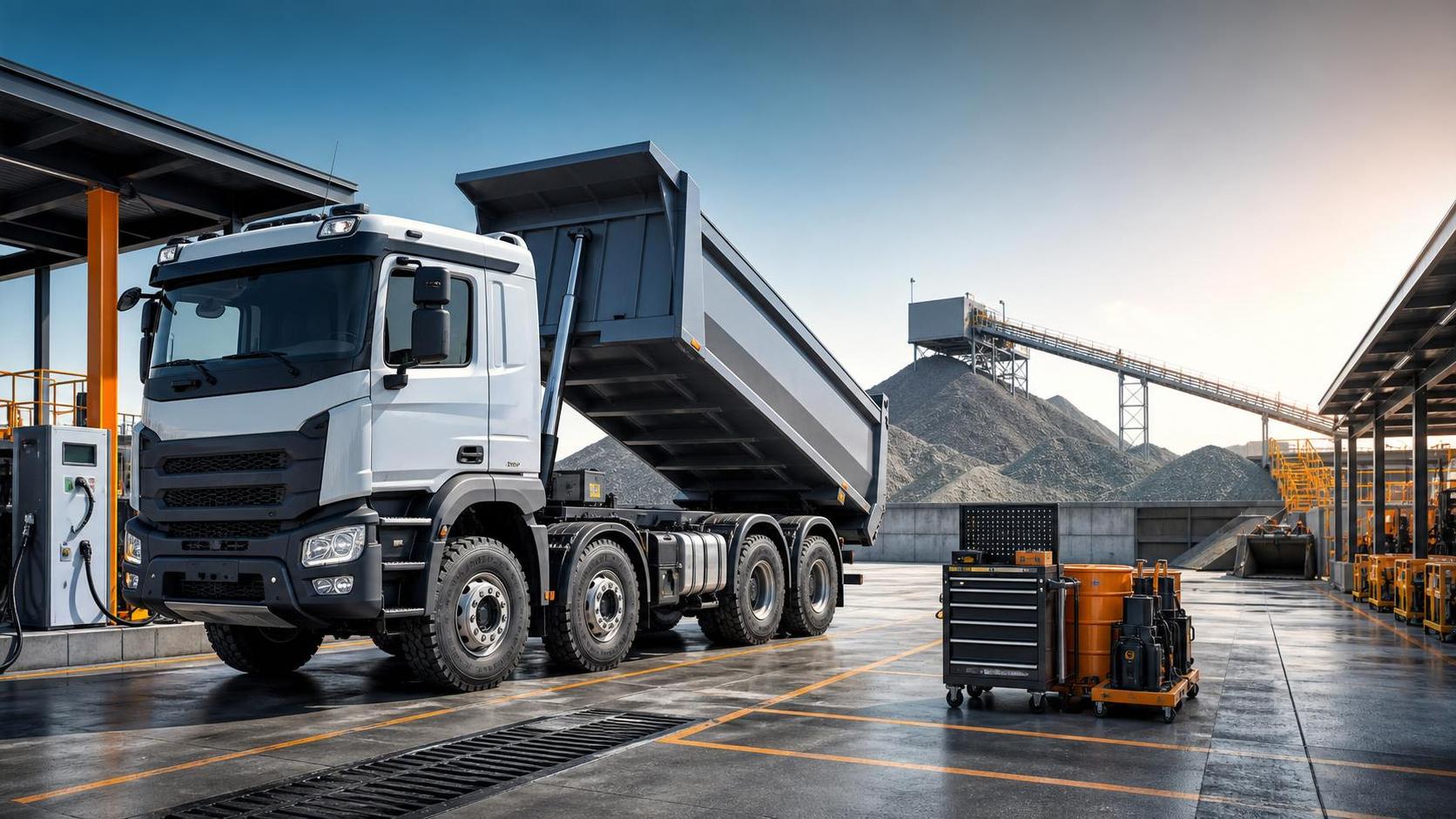
What Affects Dump Truck Operating Costs the Most?
For financial decision-makers, understanding what drives dump truck operating costs is essential to protecting margins and improving fleet profitability.
Fuel, maintenance, labor, depreciation, and utilization all shape the true cost of running a dump truck.
This article breaks down the biggest cost factors, so budgeting and purchasing decisions become more accurate and easier to defend.
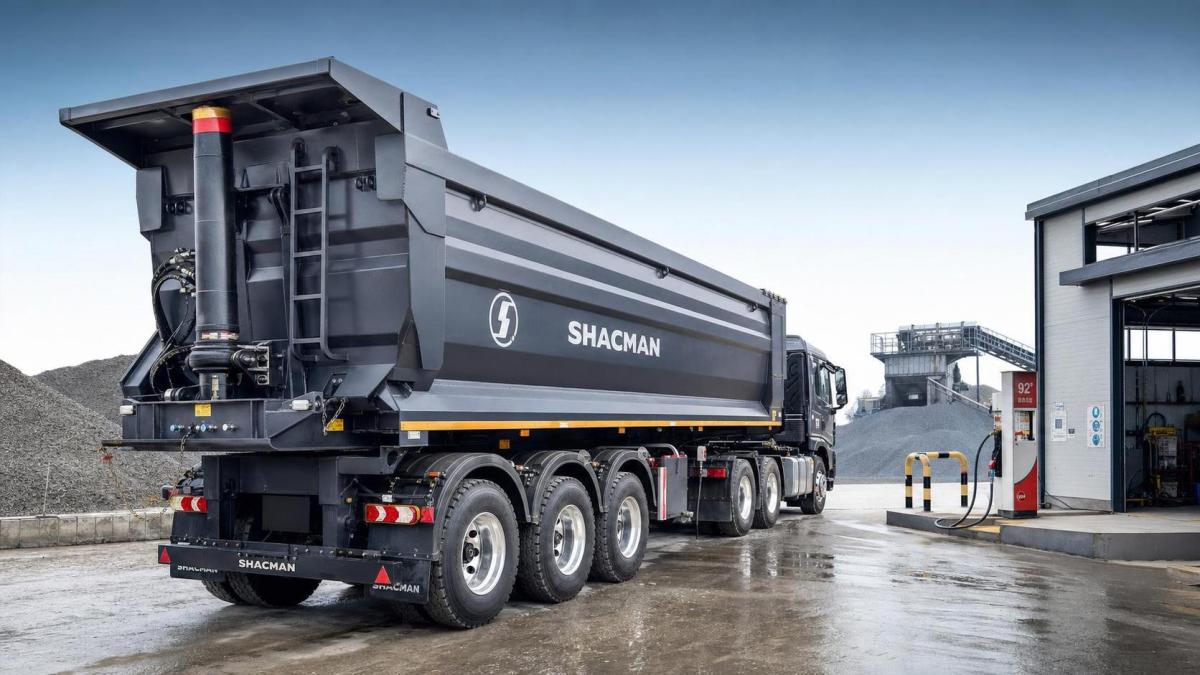
In practice, the biggest mistake is focusing only on purchase price.
A lower upfront quote can still lead to higher lifetime dump truck cost if fuel burn, downtime, and resale value move the wrong way.
That is why operating cost analysis matters before approving any fleet investment.
Fuel Often Has the Fastest Impact on Dump Truck Cost
Fuel is usually the most visible variable in dump truck operating costs.
It changes quickly, shows up daily, and can erase planned margins within one quarter.
Route length, idling, payload weight, terrain, and driver behavior all affect consumption.
Older trucks usually burn more fuel, especially under stop-start duty cycles common in construction and material hauling.
A small difference in fuel efficiency becomes a large annual cost across multiple units.
- Monitor fuel cost per mile and per ton moved.
- Track idle hours as closely as engine hours.
- Compare fuel performance by route type, not fleet average alone.
- Review driver habits, including acceleration and braking patterns.
If fuel management is weak, dump truck cost control usually fails early.
Maintenance and Downtime Usually Cost More Than Expected
Maintenance looks manageable on paper until downtime enters the picture.
A dump truck that is unavailable still carries fixed costs while generating no revenue.
Tires, hydraulics, suspension, brakes, and transmission components often drive repair budgets.
Harsh jobsite conditions accelerate wear and turn routine service into unplanned repairs.
The more severe the duty cycle, the more preventive maintenance matters.
From a cost approval view, the key issue is not just repair expense.
It is the combined effect of parts, labor, rental replacement, schedule delays, and customer impact.
- Review service records by unit, not by model family only.
- Separate planned maintenance from breakdown repair spending.
- Measure downtime days and missed load capacity.
- Check whether warranty support is strong in your region.
This is also where equipment specification matters.
In mixed fleets, related vehicle choices can influence maintenance planning and service efficiency.
For example, some buyers comparing specialized haul equipment also review options like New Concrete Truck Mixer Concrete Cement Mixer Drum Truck when aligning support resources across construction transport assets.
Labor Costs Depend on More Than Driver Wages
Labor is another major part of dump truck operating costs.
The obvious line item is driver pay, but the real cost base is wider.
Benefits, overtime, recruitment, onboarding, training, compliance time, and turnover all add cost.
When driver shortages increase, wage pressure rises and utilization may still fall.
That creates a double hit to dump truck profitability.
Poor scheduling adds hidden labor waste.
Drivers waiting at loading sites or disposal points are still on the clock.
That also means dispatch efficiency is a cost-control tool, not just an operations concern.
- Measure labor cost per productive hour.
- Track wait time at every handoff point.
- Estimate turnover cost by unit assignment and route difficulty.
- Include safety incidents in labor-related cost reviews.
Depreciation and Resale Value Shape the Long-Term Cost Picture
Depreciation is less visible than fuel, but it is often one of the largest total cost drivers.
A dump truck loses value based on age, usage, condition, brand perception, and market timing.
Two trucks with similar purchase prices can end with very different ownership costs.
The difference usually comes from maintenance history, component durability, and resale demand.
This is why financial reviews should examine total cost of ownership instead of invoice price alone.
A useful test is simple.
Ask how much value the dump truck will retain after the planned replacement cycle, not only after year one.
Utilization Can Make or Break Dump Truck Economics
Utilization is often the clearest signal of whether dump truck cost is under control.
Even a well-priced truck becomes expensive when it sits idle.
Loan payments, insurance, licensing, and depreciation continue whether the truck works or not.
This is why fleet sizing deserves close attention during procurement reviews.
Overbuying capacity creates hidden operating cost pressure for years.
Underbuying creates overtime, subcontracting expense, and service delays.
The right answer depends on seasonal demand, contract stability, route density, and backup requirements.
In actual operations, utilization should be reviewed alongside payload efficiency.
A truck making frequent trips with partial loads may look active while still producing weak returns.
How to Evaluate Dump Truck Operating Costs Before You Buy
A strong purchase decision uses a total cost framework.
That means comparing expected operating cost across the full ownership period.
A practical review should include these questions:
- What is the projected fuel cost by route profile?
- How often will major service events occur?
- What utilization level is required to hit target margins?
- What resale value is realistic after the planned replacement date?
- Can internal maintenance teams support this specification efficiently?
- What cost risk appears if demand drops for two quarters?
It also helps to compare similar equipment categories during capital planning.
Some fleets balancing broader construction transport needs may assess units such as New Concrete Truck Mixer Concrete Cement Mixer Drum Truck alongside dump truck purchases to align budget, service capacity, and job mix.
The Most Important Cost Driver Is Usually the Combination, Not One Line Item
So, what affects dump truck operating costs the most?
In most cases, fuel creates the fastest pressure, maintenance creates the biggest surprises, and utilization determines whether the economics work at all.
Labor and depreciation then shape the final margin picture.
The smartest approach is to review dump truck cost as a system.
When fuel, maintenance, labor, resale, and utilization are measured together, cost decisions become much more reliable.
That creates a clearer basis for budgeting, vendor comparison, and fleet investment timing.
Before approving the next truck purchase, test every assumption against real operating conditions. That is usually where the true cost story becomes clear.