
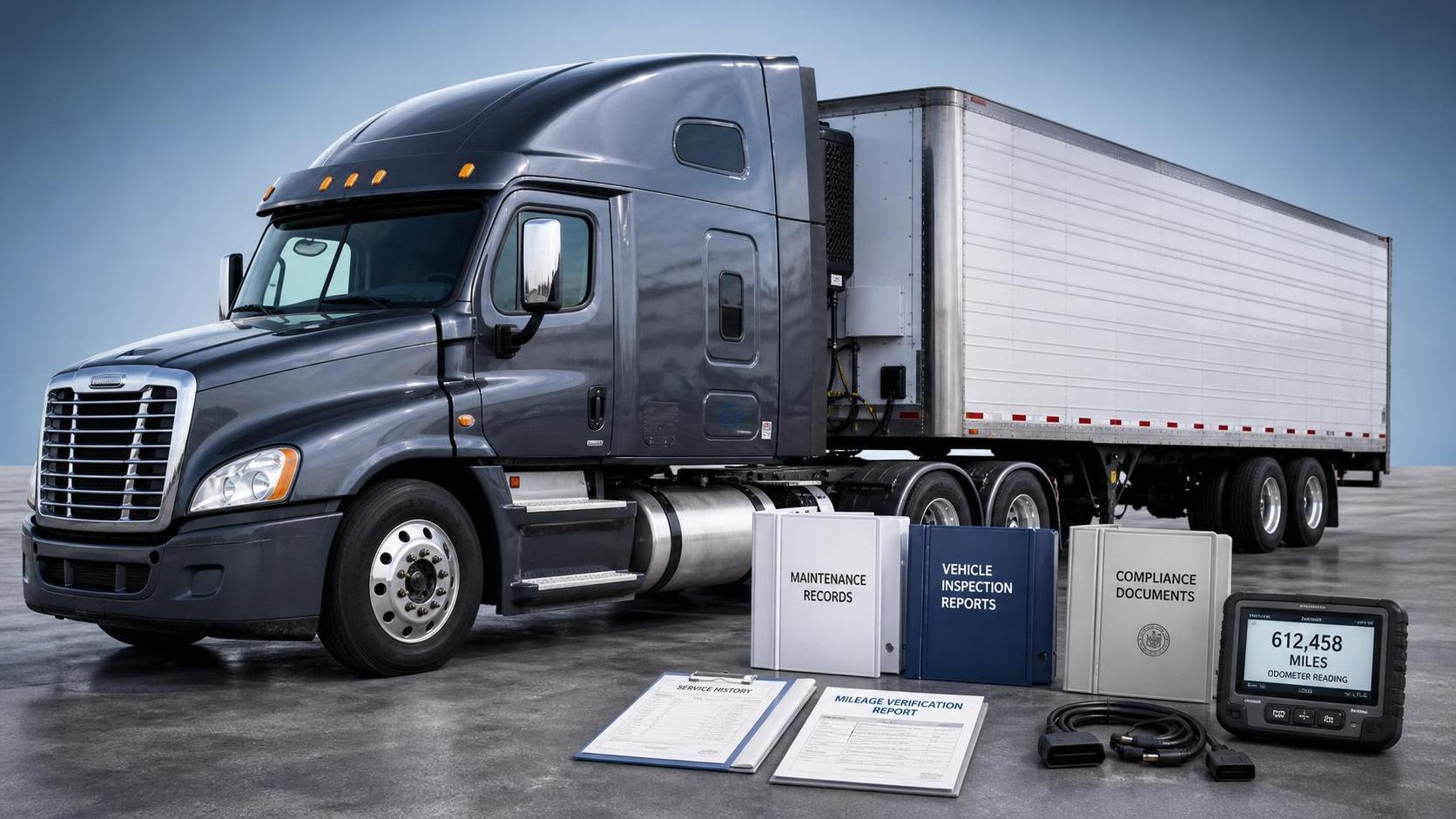
Used Truck Buying Guide: Cost, Mileage, and Risk Checks

Buying a used truck can reduce fleet costs, but the wrong deal can create expensive downtime fast.
That is why a good used truck decision should go beyond the sticker price.
In trailer operations, the truck must match route demand, load profile, and maintenance capability.
A lower upfront price looks attractive, yet hidden defects can erase savings within months.
This guide explains how to assess a used truck by cost, mileage, condition, and risk.
The goal is simple: buy a used truck that supports uptime, compliance, and predictable ownership cost.
Start With Operating Fit, Not Price
Before comparing listings, define what the used truck must do in daily service.
That sounds basic, but many buying mistakes begin with a cheap truck that does not fit the job.
For trailer transport, check gross combination weight, axle setup, wheelbase, and hitch compatibility.
Also review engine power, torque curve, transmission type, and braking configuration.
A used truck for regional hauling faces different stress than one used on long highway runs.
More importantly, route terrain changes fuel use, driveline wear, and clutch life.
- Define average payload and peak payload.
- Match fifth wheel and trailer connection needs.
- Confirm local emissions and road compliance rules.
- Check service support for the truck brand in your area.
A used truck that fits the operation usually performs better than a cheaper unit chosen on price alone.
Look at Total Cost, Not Just Purchase Cost
The purchase price is only the first number in the decision.
A used truck with a lower tag may still cost more over twelve to thirty-six months.
In practical buying work, total cost should include planned repairs, fuel, tires, insurance, taxes, and downtime risk.
Resale value matters too, especially when replacement cycles are short.
A newer used truck often costs more now but may save money through higher uptime and easier resale.
When comparing each used truck, build a simple ownership sheet for at least two years.
That step makes expensive risk much easier to see before the contract is signed.
Mileage Matters, but Context Matters More
Mileage is one of the first filters in any used truck search, but it should never stand alone.
A high-mileage truck with strong maintenance records can be safer than a low-mileage truck with poor care.
The better question is how those miles were accumulated.
Long highway miles are usually easier on the truck than stop-start urban cycles or overloaded work.
Engine hours are another important signal, especially if the used truck spent long periods idling.
This is where data quality becomes critical.
- Compare odometer reading with service invoices.
- Review engine hours if available.
- Ask about route type and average load.
- Check for signs of tampering or inconsistent wear.
If pedal wear, seat damage, and steering wheel condition do not match the displayed mileage, investigate further.
A used truck should tell one clear story across records, inspection, and physical condition.
Check Service History Like a Risk File
Service history is often the strongest predictor of future reliability in a used truck purchase.
A complete file shows whether maintenance was preventive or simply reactive.
Look for oil changes, filter replacements, brake work, suspension repairs, and emissions system service.
Repeated repairs on the same component can signal a deeper unresolved problem.
This is especially relevant for trucks pulling trailers under demanding schedules.
A missing history does not always mean a bad truck, but it should lower confidence and price.
- Request maintenance invoices, not just summaries.
- Check dates, mileage points, and repair intervals.
- Verify major replacements such as clutch, turbo, injectors, or aftertreatment parts.
- Confirm recalls and safety campaigns were completed.
If records are digital, ask for exportable copies for your internal review trail.
That small step supports cleaner approval and easier post-purchase planning.
Inspect the Truck Beyond Surface Appearance
A clean cab can create false confidence.
A serious used truck inspection should focus on mechanical health, structural integrity, and safety condition.
Start with leaks, rust, frame damage, uneven tire wear, and suspension condition.
Then move to brakes, lights, steering response, driveline vibration, and dashboard warning indicators.
In trailer duty, coupling area wear and chassis stress deserve extra attention.
If possible, combine a yard inspection with a real road test.
- Check cold start behavior and exhaust smoke.
- Listen for abnormal engine or gearbox noise.
- Test braking stability under load conditions if allowed.
- Inspect the frame for repairs, cracks, or corrosion.
- Review tire date codes and wear patterns.
Even better, use an independent inspector with heavy truck experience.
That cost is small compared with the price of one major failure after delivery.
Watch for Compliance and Documentation Gaps
A used truck may look mechanically sound and still create risk through paperwork problems.
That is a common issue when buying across regions or from mixed-use fleets.
Verify title status, VIN consistency, inspection certificates, and emissions compliance before payment.
Also check whether any modifications affect legal operation with your trailer configuration.
This includes axle changes, lighting updates, and braking system alterations.
More importantly, confirm whether the used truck can enter all target operating zones.
A compliance issue can turn a seemingly good purchase into an unusable asset.
Build a Simple Used Truck Comparison Scorecard
When several used truck options appear similar, a scorecard helps remove emotion from the decision.
Use weighted criteria based on your real operating priorities.
For example, uptime may matter more than cosmetic condition.
This approach makes each used truck easier to compare across cost and risk at the same time.
It also supports clearer internal approvals because the logic is documented.
Final Checks Before You Sign
Before closing the deal, pause and review the full used truck file one more time.
This final pass often catches small issues that become negotiation points.
- Reconfirm VIN, title, and invoice details.
- List all promised repairs in writing.
- Clarify warranty coverage, if any.
- Set delivery condition and acceptance standards.
- Prepare a post-purchase inspection and service plan.
A smart used truck purchase is rarely about finding the cheapest unit.
It is about finding the truck with the best balance of price, reliability, and operating fit.
If you review cost, mileage, service history, condition, and compliance together, risk becomes far easier to manage.
Use that checklist approach on every used truck, and each buying decision becomes faster, clearer, and safer.