
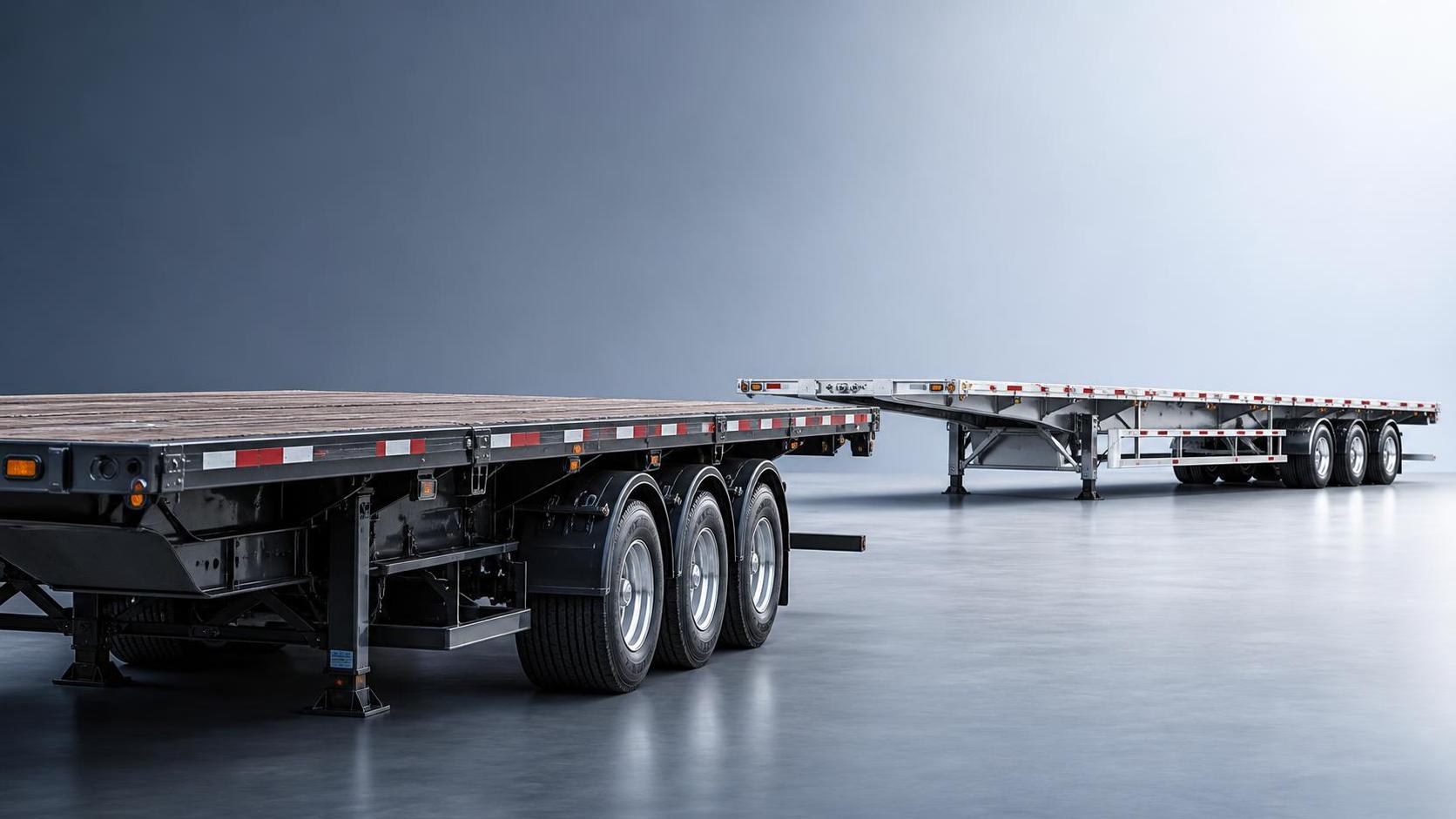
For fleet buyers, the real question is not whether new equipment is better in theory. It is whether used trailers can deliver enough reliability, capacity, and lifecycle value to justify the lower upfront cost. In many operations, the answer is yes, but only when the purchase is tied to clear utilization, inspection, and maintenance criteria.
Used trailers make the most sense when capital is constrained, fleet growth must happen quickly, or the application does not demand the newest specification. New trailers usually win when uptime risk must be minimized, compliance requirements are tight, or the trailer will run hard for many years. The right choice depends on total cost, not sticker price.
What Buyers Really Mean When They Search for Used Trailers
When decision-makers compare used trailers with new units, they are usually trying to protect cash flow without creating hidden operating problems. They want to know how much they can save, how much risk they take on, and how long the asset will stay productive.
That search intent is practical. Buyers are not looking for a general definition. They want a purchase framework that helps them avoid overpaying, prevent downtime, and keep equipment aligned with fleet demand.
For most companies, the decision is less about preference and more about operating model. A regional carrier, a construction fleet, and a rental business may all buy the same trailer type, but they will measure value differently.
When New Trailers Are the Better Investment
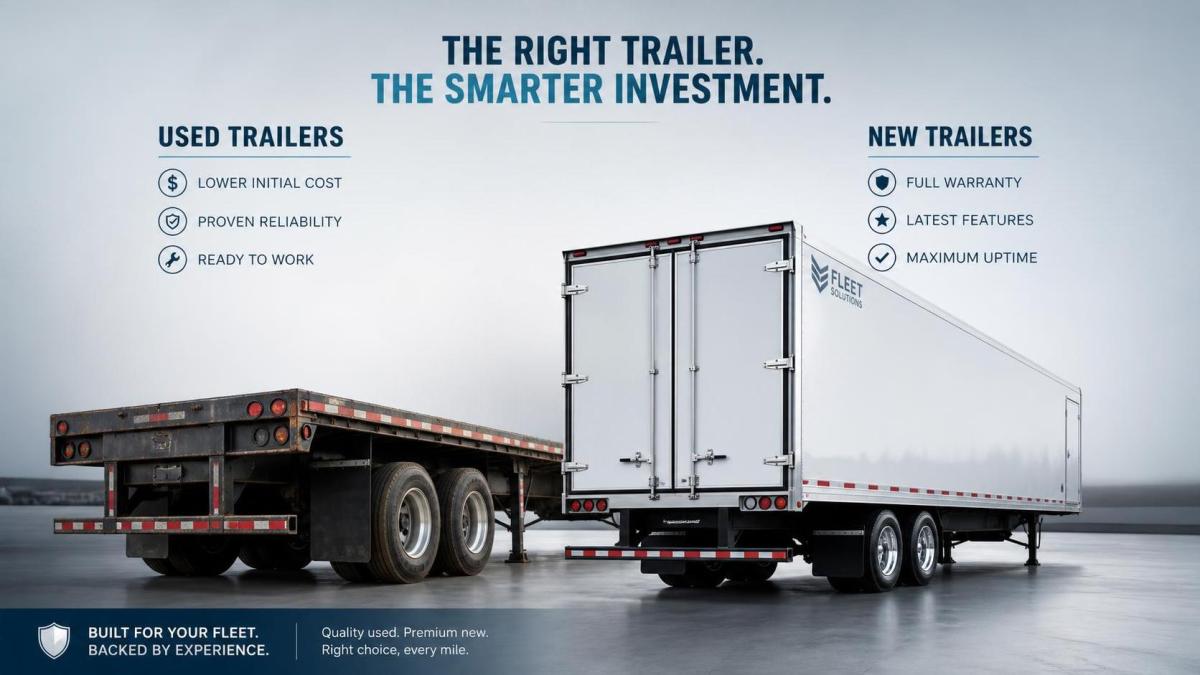
New trailers are usually the stronger choice when the fleet depends on predictable uptime and long service life. They arrive with no prior wear, full factory warranty coverage, and the latest design updates, which can reduce early maintenance surprises.
They also fit well when a business standardizes assets across multiple locations. New units make it easier to control specifications, document maintenance expectations, and keep resale value more predictable at the end of the ownership cycle.
For heavily utilized fleets, the higher purchase price can be justified if the trailer will stay in service long enough to spread that cost across more revenue-producing miles or loads.
There is another advantage that matters to leadership teams: planning confidence. With new equipment, budget forecasts are simpler because the early-life repair curve is usually flatter and less uncertain.
When Used Trailers Deliver Better Value
Used trailers can be a strong financial move when the business needs capacity now but does not need pristine equipment. The lower acquisition cost frees capital for tractors, labor, storage, or working capital, which may create a better return than buying new across the board.
They are especially useful for seasonal demand, short- to medium-term projects, or fleet expansion where speed matters more than having every unit identical. In those cases, used trailers can add revenue capacity without locking the company into a large depreciation hit.
Many buyers also overlook a simple reality: some applications do not need a brand-new trailer to perform well. If the trailer’s structure, suspension, tires, brakes, and floor are sound, a well-selected used unit may meet the job with little downside.
The key is not age alone. A five-year-old trailer with documented service history can be a better buy than a newer unit that has been neglected or used in harsh conditions.
The Questions That Matter Before You Buy
Decision-makers should start with operating profile. How many miles or cycles will the trailer see, what cargo will it carry, and how sensitive is the business to downtime? A high-utilization fleet should treat reliability differently than a backup or spot-use fleet.
Next comes maintenance capability. If your team can inspect, repair, and document equipment consistently, used trailers become more attractive. If your organization lacks that discipline, the low purchase price can disappear into avoidable repair costs.
Resale value also matters. Some trailer types hold value better than others, especially when they are standard-spec and supported by known parts availability. If you plan to rotate assets regularly, acquisition cost and exit value should be modeled together.
Finally, consider compliance and customer expectations. Certain contracts, facilities, or industries may favor newer equipment because presentation, safety standards, or age limits influence acceptance.
How to Compare Total Cost, Not Just Price
The smartest comparison is total cost of ownership over the planned service window. That means combining purchase price, financing cost, maintenance, expected downtime, repairs, insurance, and resale value into one view.
A cheaper used trailer can lose its advantage if it needs early tire replacement, structural work, or repeated out-of-service time. A new trailer can also be the wrong choice if the business will underutilize it and absorb unnecessary depreciation.
One useful method is to compare cost per operating month or cost per loaded mile. That gives leadership a clearer basis for capital allocation than a simple new-versus-used price comparison.
It also helps separate accounting comfort from real operational value. A trailer that looks expensive on paper may be cheaper in practice if it stays productive longer and creates fewer service interruptions.
What to Inspect Before Buying Used Trailers
Inspection is where most used-trailer deals are won or lost. Buyers should review frame condition, corrosion, weld integrity, suspension wear, axle alignment, brakes, lights, flooring, and landing gear before committing.
Service records are just as important as physical condition. Documentation can reveal whether the trailer was maintained on schedule, repaired properly, and used in a way that matches your intended application.
Pay attention to signs of structural fatigue or uneven wear. Those issues can suggest overload, poor maintenance, or accident history, all of which can shorten service life and raise total ownership cost.
When possible, match inspection standards to the trailer’s role in your fleet. A unit intended for occasional use may tolerate more cosmetic wear than a trailer that will run daily on demanding routes.
Which Option Fits Which Fleet Strategy?
New trailers fit best when the company prioritizes long-term standardization, low early-life risk, and a clean warranty position. They are often the right call for core assets that must stay online and support service-level commitments.
Used trailers fit best when the strategy is to preserve capital, expand quickly, or add capacity for specific contracts and seasonal surges. They work especially well when the fleet team can evaluate condition carefully and manage maintenance actively.
For many businesses, the answer is not either-or. A blended fleet can be the most effective model: new trailers for primary routes or high-duty use, and used trailers for overflow, secondary lanes, or growth initiatives.
That approach lets leadership allocate capital where reliability matters most while still controlling spending across the broader fleet.
Final Takeaway for Decision-Makers
Used trailers are not automatically a compromise, and new trailers are not automatically the better investment. The right choice depends on how hard the equipment will work, how much risk your operation can absorb, and how long you plan to keep the asset.
If cash flow, speed, and flexibility matter most, well-selected used trailers can deliver excellent value. If uptime, standardization, and long service life are the priority, new trailers may justify the higher spend. The best decision is the one that fits both your budget and your operating model.