
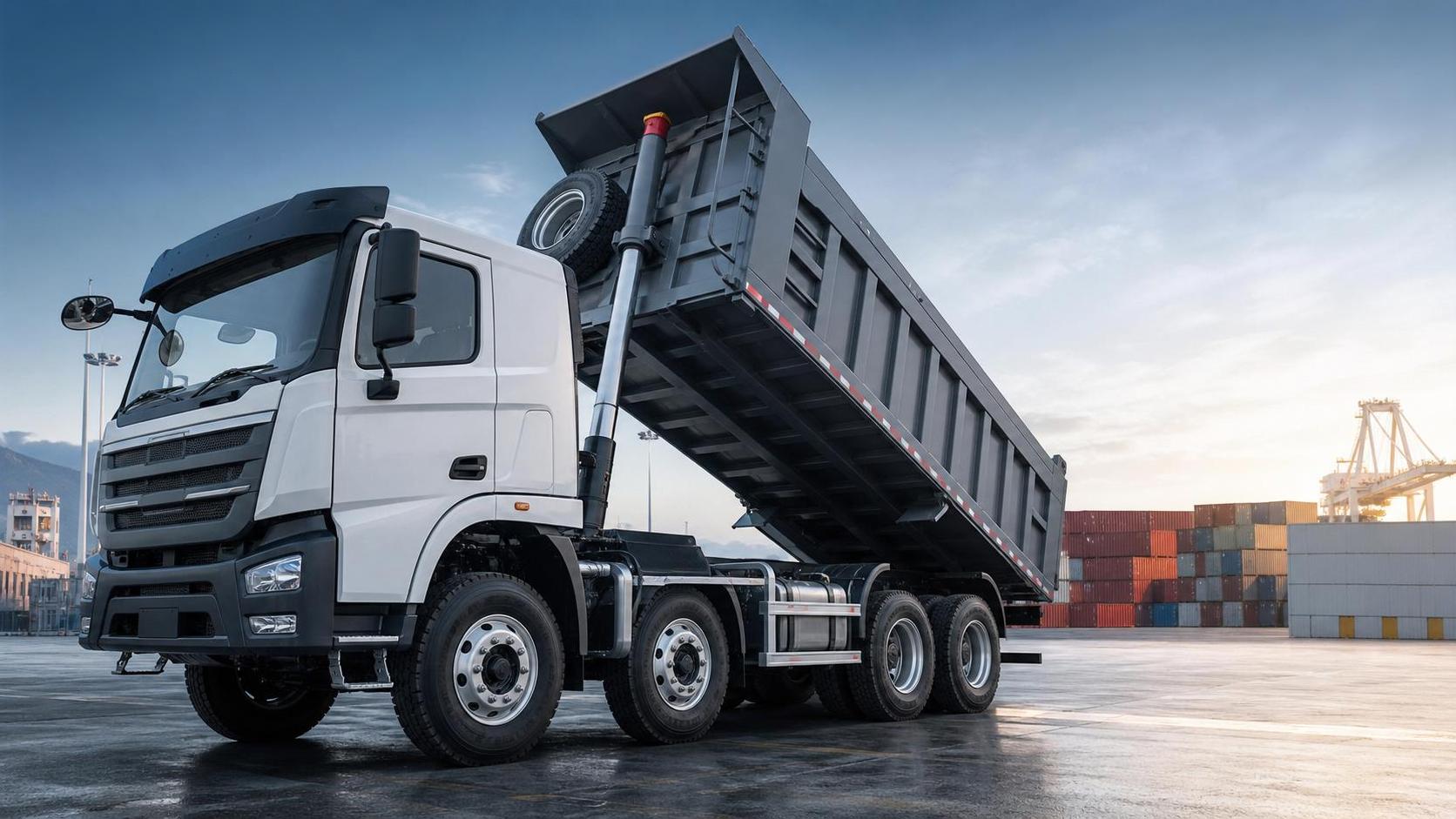
Key Dump Truck Specs That Impact Resale Value
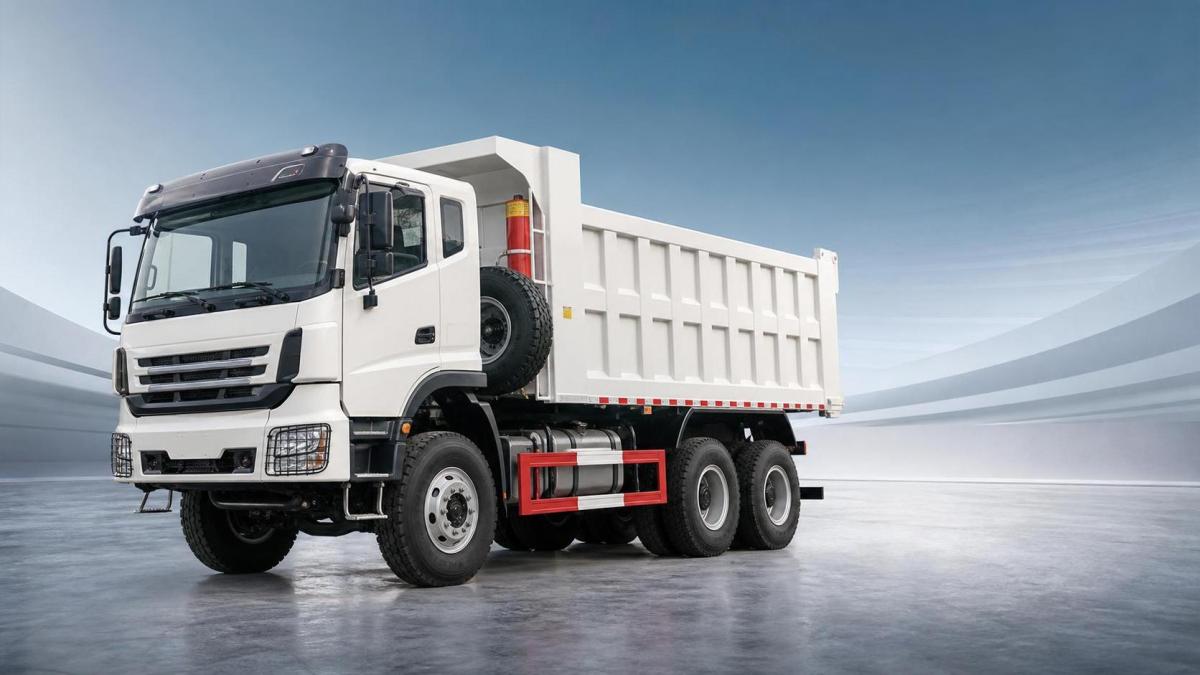
When evaluating resale potential, the right dump truck specs can change value more than many buyers expect.
For a dump truck, small specification differences often create large pricing gaps at sale time.
That matters when depreciation, buyer demand, and lifecycle cost all feed into one appraisal conclusion.
In practice, resale value follows a mix of hard numbers and market confidence.
GVWR, engine hours, axle setup, body wear, and service records usually sit at the center of that judgment.
The most valuable dump truck is rarely just the newest one.
It is the unit whose specifications still match active demand in construction, mining, and municipal hauling.
This guide breaks down which dump truck specs deserve the closest attention before assigning a resale range.
Why Specs Matter More Than Age Alone
Age still matters, but it rarely tells the full story for a used dump truck.
Two trucks built in the same year can sell at very different levels.
The difference usually comes from use intensity, legal payload capacity, and maintenance quality.
A dump truck with market-friendly specs attracts more bidders and sells faster.
That stronger competition supports firmer pricing and lowers discount pressure during negotiations.
More importantly, appraisers should ask whether the truck fits current jobsite expectations.
If the answer is yes, resale value often holds better than expected.
GVWR and Payload Capacity
GVWR is one of the most important dump truck specs in any resale review.
It defines the legal operating weight and shapes the truck’s earning potential.
Buyers look closely at payload because it directly affects trip efficiency and revenue per route.
A dump truck with useful payload capacity often commands better resale value than a heavier, less efficient alternative.
Still, higher GVWR does not automatically mean higher demand.
Regional road limits, licensing rules, and customer job profiles can narrow the buyer pool.
From a cost perspective, the strongest resale candidates balance payload with broad compliance.
- Check rated GVWR against common regional hauling regulations.
- Compare payload efficiency, not just absolute weight class.
- Look for evidence of repeated overloading or frame stress.
Engine Hours, Powertrain Health, and Fuel Reputation
Mileage matters, but engine hours often tell the sharper story on a dump truck.
Long idle periods, stop-start duty cycles, and PTO work create wear that mileage alone misses.
A truck with moderate mileage but very high engine hours may deserve a lower resale range.
Power output also affects demand.
Buyers want enough horsepower and torque for terrain, payload, and body size without excess fuel burn.
This is where brand and engine reputation enter the valuation discussion.
Well-known engines with available parts usually hold value better than niche setups.
The same logic appears across related vocational equipment.
For example, the Used HOWO 371 Concrete Mixer Truck with Efficient Mixing Tank benefits when buyers trust the driveline and serviceability.
In actual resale markets, proven uptime supports price better than headline specs alone.
Axle Configuration and Drivetrain Demand
Axle configuration is a major pricing lever for any dump truck.
A 4x2, 6x4, or 8x4 setup changes traction, legal loading, maintenance cost, and operating range.
A 6x4 dump truck often enjoys strong resale because it serves a wide mix of road and site conditions.
An 8x4 may carry more, but its market can be narrower depending on infrastructure and permit norms.
Front axle ratings and suspension design also deserve attention.
Uneven tire wear, sagging suspension, or visible alignment issues can reduce buyer confidence quickly.
That confidence factor often drives discounting faster than a spec sheet suggests.
Body Condition, Steel Quality, and Hydraulic Performance
For a dump truck, the body is not cosmetic.
It is a core production component, and buyers treat it that way.
Floor thickness, sidewall straightness, tailgate function, and weld integrity all affect resale value.
Visible corrosion around stress points usually raises concern about remaining service life.
Hydraulic lifting speed and stability matter just as much.
Jerky operation, leaks, or cylinder scoring can push buyers toward immediate repair assumptions.
That usually means a lower offer, even when the rest of the dump truck looks acceptable.
- Inspect floor patches and reinforcement plates carefully.
- Review hoist maintenance and hydraulic seal replacement history.
- Check whether body dimensions still match common hauling applications.
Maintenance Records and Compliance History
Maintenance history is often the clearest signal behind a used dump truck appraisal.
Complete records reduce uncertainty around hidden wear and deferred repairs.
They also help confirm whether engine hours, odometer readings, and component replacements make sense together.
Compliance history matters too.
Inspection failures, emissions issues, or repeated safety defects can narrow financing and insurance options.
That has a direct impact on resale value because fewer qualified buyers stay in the market.
From recent market behavior, documented care often adds more value than cosmetic detailing.
Spec Signals That Commonly Affect Pricing
How to Use These Specs in a Purchase or Appraisal Review
A good review process compares the dump truck against the market it must re-enter later.
That sounds simple, but it prevents many pricing mistakes.
- Start with the truck’s target use and likely secondary buyer profile.
- Confirm dump truck specs against regional transport and jobsite norms.
- Adjust for engine hours, body wear, and compliance risk.
- Review parts availability and service network strength.
- Apply a discount where records are incomplete or usage patterns look aggressive.
This approach keeps the dump truck valuation tied to operating reality, not brochure logic.
It also helps explain why some vocational units preserve value better across adjacent segments.
That is one reason buyers also compare assets like the Used HOWO 371 Concrete Mixer Truck with Efficient Mixing Tank when measuring driveline durability and resale stability.
Final Takeaway
The dump truck specs that most affect resale value are usually the ones tied to usable work, not sales language.
GVWR, payload efficiency, engine hours, axle layout, body condition, and records all shape buyer confidence.
When those items align with current demand, a dump truck tends to sell faster and closer to asking value.
Before making a purchase or setting a resale forecast, review each spec as a market signal.
That method creates clearer cost judgments, more realistic pricing, and better long-term asset decisions.