
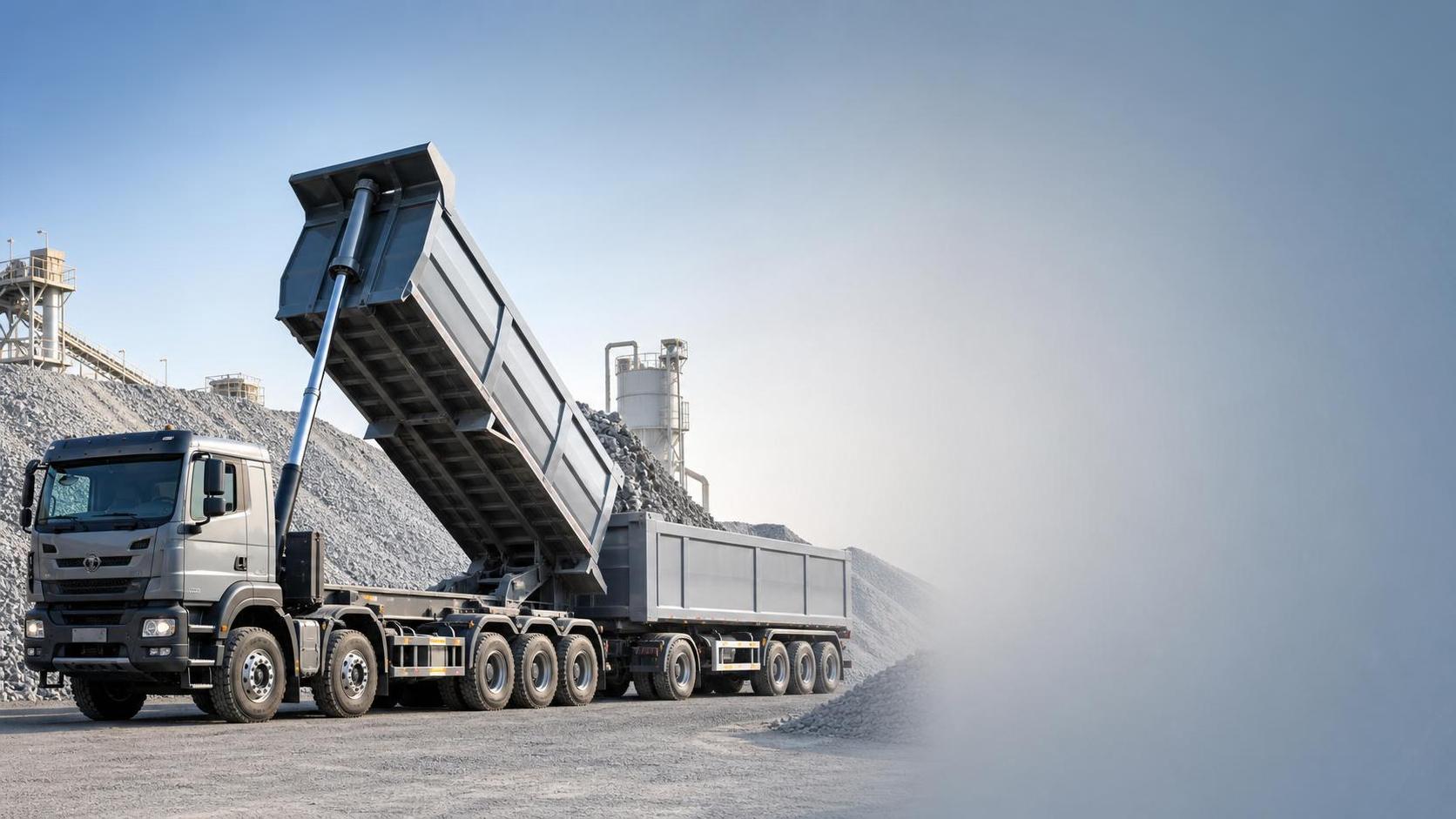
Choosing a tipper truck is rarely just about price or rated tonnage. The better decision comes from matching payload, body dimensions, axle layout, and hydraulic performance to the material, road condition, and loading cycle.
In trailer-related transport operations, that match affects fuel use, turnaround speed, tire wear, compliance risk, and how long the truck stays productive. A well-selected tipper truck supports steady output, while a poor fit creates hidden costs.
Start with the job, not the catalog
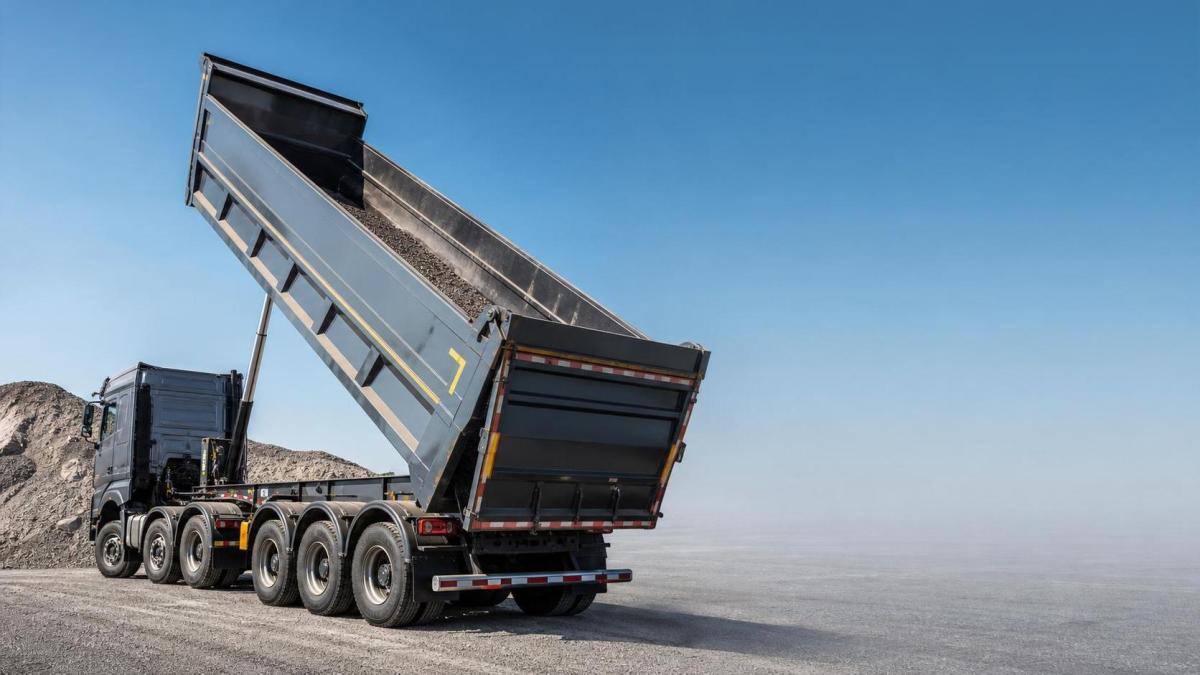
A tipper truck may look similar across brands, yet its real suitability depends on what it hauls every day. Sand, crushed stone, ore, coal, demolition waste, and wet soil behave very differently during loading and unloading.
The first question is operational: what material moves most often, over what distance, and on what type of route. Highway hauling, quarry work, urban construction, and mining each place different stress on the vehicle.
This is also where trailer coordination matters. If the truck works beside dump trailers, semi-trailers, or fixed loading systems, body height, loading reach, and unloading angle should align with the broader fleet setup.
Payload is more than the biggest number
Payload capacity is often the headline specification, but it should not be judged in isolation. A larger payload can improve cycle economics, yet only when legal limits, road access, and material density allow the truck to use it consistently.
A tipper truck carrying light aggregates may fill its body before reaching the axle limit. The same truck carrying wet soil or ore may reach legal weight long before the body is full.
That is why bulk density matters. Two trucks with similar body volume can produce very different results if the cargo is dense, sticky, or unstable in motion.
Key payload checks
- Match rated payload with the density of your main load.
- Check gross vehicle weight against local transport rules.
- Confirm axle loading under full and partial loads.
- Review how often the truck can run at full rated capacity.
- Estimate productivity per shift, not just per trip.
In practice, an oversized specification that cannot be legally or safely used is less valuable than a balanced configuration that runs at a high utilization rate.
Body size determines efficiency and unloading behavior
Body size shapes both volume and handling. Length, width, side wall height, floor thickness, and body geometry influence loading convenience, material release, center of gravity, and structural life.
A deep body may suit lighter bulk materials, but it can slow loading if the bucket reach is limited. A wider body may improve fill efficiency, yet it can reduce flexibility on narrow roads or confined job sites.
Material type also affects body design. Sticky clay and wet spoil need smooth discharge. Sharp rock requires wear resistance in the floor and side walls. Mining applications usually demand thicker plates and stronger reinforcement.
Common body selection logic
If replacement planning includes used assets, body condition deserves close inspection. Distortion, floor cracking, and poor welding history can reduce value even when the tipper truck still appears serviceable from a distance.
Axle configuration affects balance, legality, and road performance
Axle configuration is one of the clearest indicators of intended use. A 4x2 or 6x4 setup may fit lighter construction duties, while an 8x4 tipper truck is often preferred for heavier loads and more demanding cycles.
More axles can improve load distribution and legal carrying ability, but they also bring added maintenance, tire cost, and turning complexity. The right choice depends on route quality and loading frequency.
For rough terrain, traction and suspension strength matter as much as axle count. On paved regional routes, stability at speed and lower running cost may take priority.
A practical reference point can be seen in units such as Used HOWO 8x4 Dump Truck Heavy Duty Mining Tipper Excellent Condition Diesel Truck for Sale, where the 8x4 layout reflects a focus on heavy-duty haulage rather than light municipal work.
What to review in the axle setup
- Driven axle arrangement for traction needs.
- Front and rear axle ratings under full load.
- Suspension suitability for road or off-road use.
- Turning radius in site access conditions.
- Tire availability and replacement cost.
The hydraulic system is where daily reliability shows up
Hydraulic performance often receives less attention during comparison, yet it directly affects unloading safety, cycle time, and downtime risk. A strong engine and large body cannot compensate for weak tipping performance.
The cylinder type, pump quality, valve response, seal condition, and hose protection all matter. So does the match between the hydraulic system and the body size.
A tipper truck that unloads sticky material needs stable lifting force and a smooth tipping action. Jerky motion, slow lifting, or incomplete discharge can interrupt the entire loading queue.
Hydraulic issues worth checking early
- Lifting speed under normal operating load.
- Body stability at maximum tipping angle.
- Oil leakage around cylinders and connectors.
- Availability of service parts and seals.
- Protection against dust, impact, and contamination.
For second-hand equipment, hydraulic history is especially important. A truck may start and drive well, but repeated tipping under load reveals the system’s real condition.
Selection should include lifecycle cost, not only acquisition cost
Two units with similar payload can perform very differently over three years. The gap usually comes from maintenance intervals, parts consumption, fuel efficiency, body wear, and time lost during repairs.
This is why a tipper truck should be compared on total operating value. Purchase price is visible on day one. Serviceability and uptime decide whether that price remains attractive later.
When evaluating used equipment, frame condition, body fatigue, hydraulic integrity, and axle wear should be considered together. Listings such as Used HOWO 8x4 Dump Truck Heavy Duty Mining Tipper Excellent Condition Diesel Truck for Sale can be useful benchmarks when comparing specification level against expected duty.
A practical framework for the final decision
A sound shortlist usually comes from filtering options in the same order the truck will work: material, route, loading method, legal limit, unloading condition, and maintenance support.
That approach keeps the decision tied to operating reality rather than brochure language. It also helps compare rigid trucks and trailer-based hauling systems on the same business basis.
- Define the main material and its average density.
- Set the required trips per day and route conditions.
- Confirm weight compliance and axle limits.
- Compare body size with loader and site constraints.
- Test hydraulic lifting under realistic load conditions.
- Review parts access and expected maintenance cost.
A tipper truck earns its value through fit, not through a single impressive specification. Clear job data, careful parameter comparison, and realistic operating checks will usually lead to the better long-term choice.