
Used trailers solve a very specific procurement problem: move heavy cargo, cover short-term demand, and protect cash flow at the same time. The best purchase is not the cheapest listing, but the trailer that still matches the load, duty cycle, and risk profile of the job.
For procurement teams, the real question is whether a trailer can deliver usable service life with acceptable maintenance cost. That means checking structure, axle setup, floor condition, previous use, and resale value before price becomes the deciding factor.
Buyers should focus first on fit for purpose, then on condition, then on total cost of ownership. That order helps avoid overbuying equipment for temporary work and underbuying equipment for demanding loads.
What procurement teams should decide first
Start with the job, not the listing. Heavy cargo, short-term work, and tight budgets call for different tradeoffs, even when the trailer type looks similar on paper.
For heavy cargo, the main issue is structural capacity and stability under real operating conditions. For short-term jobs, availability and immediate utility matter more than long-term depreciation. For tight budgets, repair exposure and likely downtime matter as much as purchase price.
A procurement buyer should define the load weight, cargo dimensions, loading method, route conditions, and expected frequency of use. Those basics quickly narrow the field and prevent expensive mistakes.
If the work is occasional, a used trailer can be the most efficient option because it avoids the capital commitment of new equipment. If the work is repetitive and harsh, the inspection standard must be much stricter.
Which used trailers fit heavy cargo
Heavy cargo requires trailers with the right frame strength, axle ratings, suspension condition, and braking performance. The usable capacity must be verified, not assumed from a badge or listing description.
For buyers handling steel, machinery, building materials, or other dense loads, look closely at frame rails, crossmembers, kingpin or hitch area, and landing gear. These parts reveal whether the trailer has lived a hard life.
Suspension type also matters. A trailer that has been overloaded may show sagging, uneven tire wear, cracked hangers, or stressed spring packs. These are not cosmetic issues; they can turn into immediate service failures.
Also check deck condition and tie-down points. Heavy cargo is often damaged by poor securing, and a trailer with weak anchors, warped flooring, or rusted hardware creates operational risk even if the chassis still moves.
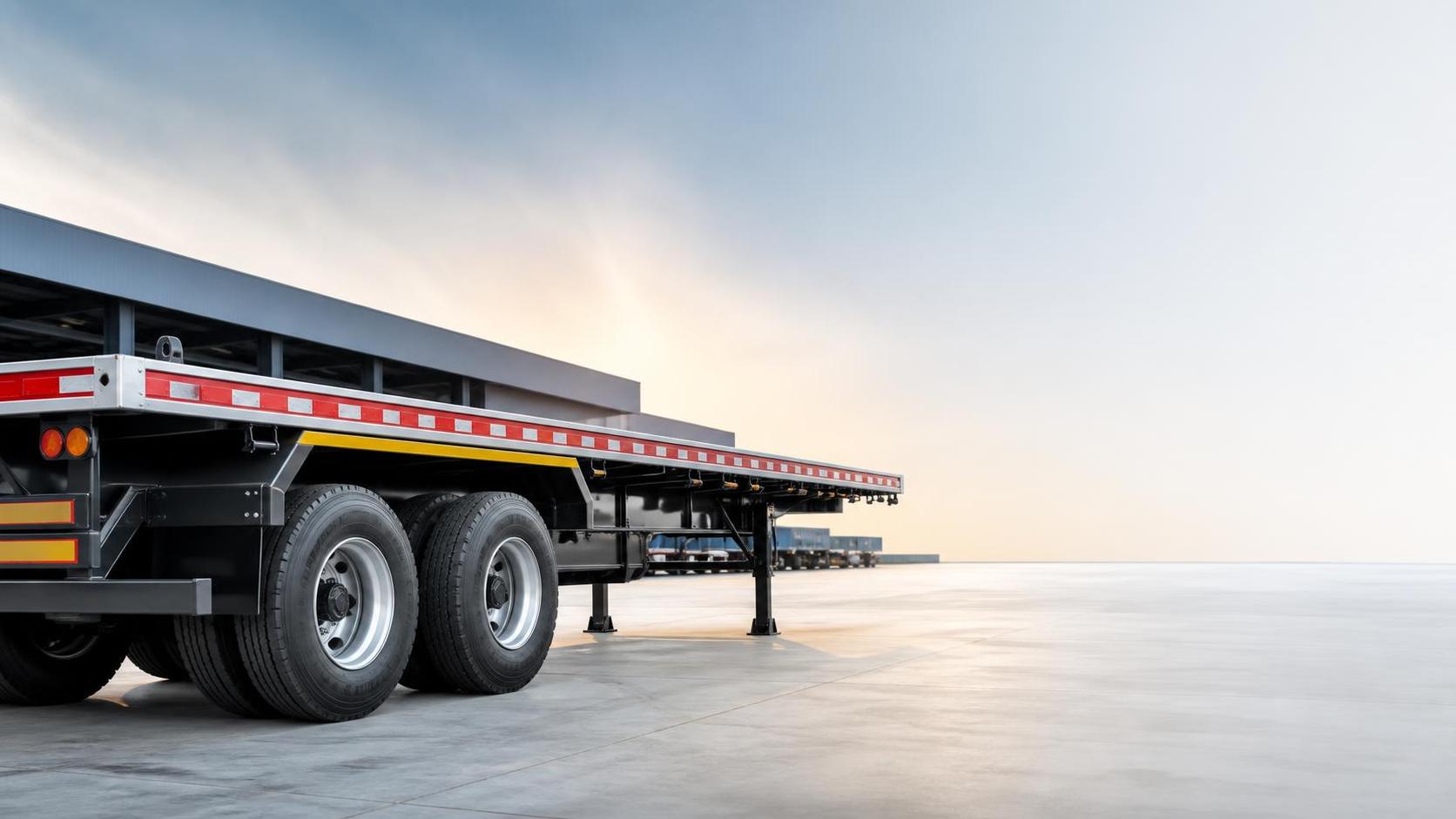
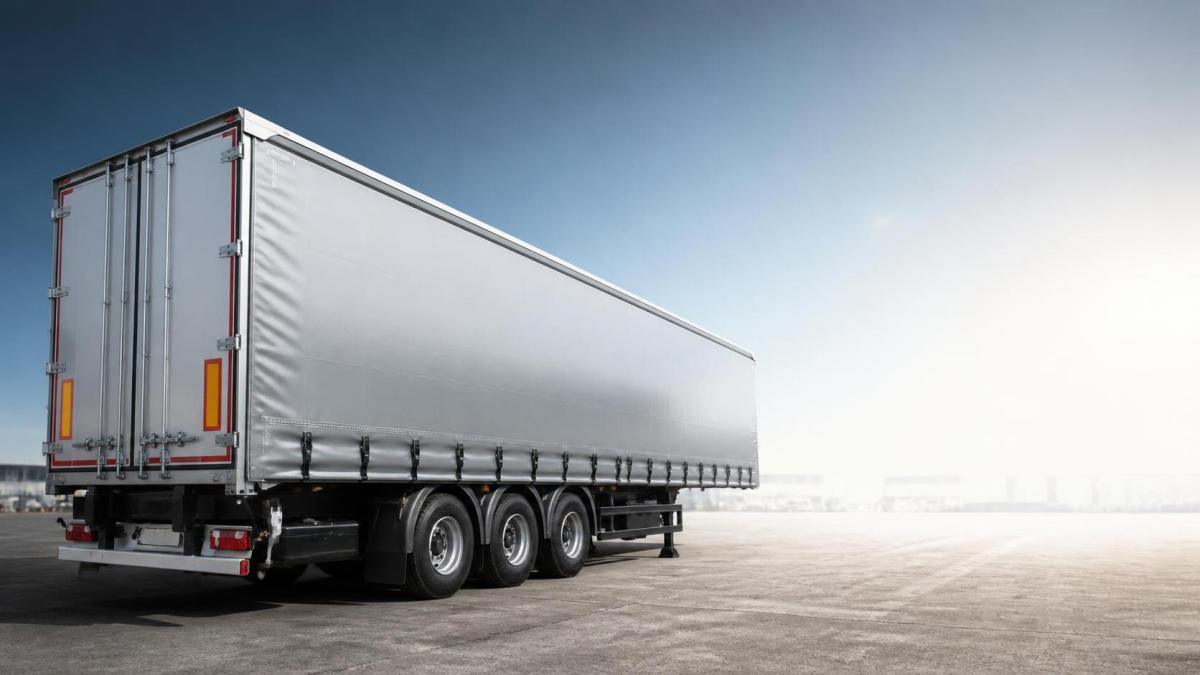
When possible, match cargo behavior to trailer design. Lowbeds, flatbeds, drop decks, and enclosed units serve different freight profiles, and the wrong platform can increase labor, loading time, and insurance exposure.
How to judge condition without overpaying
Condition is where used trailers either become a value win or a hidden cost trap. The right inspection should separate normal wear from structural fatigue, corrosion, and deferred maintenance.
Begin with the frame and undercarriage. Look for weld repairs, twists, rust scale, cracked brackets, bent components, and signs of impact. A fresh coat of paint can hide problems, so buyers should inspect in good light and from multiple angles.
Tires, brakes, bearings, and lighting should all be tested or verified. These are not small line items in a procurement plan when they trigger immediate replacement, service downtime, or safety issues.
Maintenance records matter because they show whether the trailer was cared for or merely kept moving. Regular service history is often more valuable than a lower asking price because it reduces uncertainty.
For higher-value purchases, an independent inspection is worth the cost. It gives procurement teams a defensible basis for negotiation and helps avoid buying equipment that looks acceptable but cannot support the workload.
When short-term jobs justify a used purchase
Short-term projects are a strong use case for used trailers because the asset can support the contract without locking the buyer into long depreciation cycles. This is useful for seasonal demand, project spikes, or temporary fleet expansion.
The key is to align the trailer’s remaining useful life with the job duration. If the work runs for three months, a solid used unit with moderate wear may be better than a new trailer with a long payback period.
Procurement teams should compare purchase cost, expected repairs, transport between sites, and end-of-job resale value. In short-duration work, a trailer that can be resold easily often creates more value than the one with the lowest sticker price.
Speed also matters. If the job starts quickly, the best option may be the trailer that is available now and serviceable immediately, even if it is not the absolute best unit in the market.
How to keep tight budgets under control
A tight budget does not mean buying the cheapest trailer. It means buying the unit with the lowest realistic cost over the period you need it.
That calculation should include repairs, downtime, inspection fees, transport, registration, and any retrofit required for safety or compatibility. A low purchase price can be misleading if the trailer needs major work before it can earn its keep.
Budget buyers should prioritize standard configurations with readily available parts. Common trailer types are easier to maintain, easier to repair, and easier to sell later, which improves total value.
Avoid highly specialized units unless the application truly requires them. Unique dimensions, rare axle setups, or obscure body styles may seem attractive at a discount, but they often create support and parts problems later.
Negotiation should be based on evidence. Visible wear, missing service records, tire replacement needs, and cosmetic damage can all support a fair price reduction without turning the process into guesswork.
Questions that help avoid bad purchases
Procurement buyers usually make better decisions when they ask the same set of practical questions every time. Consistency reduces pressure and makes supplier comparisons easier.
Ask how the trailer was used, what it hauled, how often it was serviced, and whether any major components were replaced. The answers often reveal whether the unit was lightly used or heavily stressed.
Ask for VIN or serial details, title status, inspection documents, and any known defects. Clean paperwork matters because it affects ownership transfer, compliance, and future disposal.
Ask whether the trailer can be tested under load or at least verified mechanically before purchase. A trailer that cannot be checked properly should be discounted accordingly or excluded.
Ask about spare parts availability and local service support. A trailer is only economical if it can stay operational when something wears out.
How to compare value across options
Two used trailers with similar prices can have very different economic value. The better choice is usually the one with stronger structure, cleaner records, and lower near-term repair exposure.
To compare options, build a simple score around capacity, condition, service history, repairs needed, and expected resale value. That makes procurement decisions more transparent and easier to justify internally.
In many cases, the right answer is the trailer that needs the fewest unknowns. Predictable maintenance and known condition often beat a lower sticker price because they reduce operational interruptions.
Used trailers are most attractive when they let buyers match asset cost to actual business need. That is the real advantage: the equipment supports the job without forcing the company to pay for unused lifespan.
For procurement teams, the smartest purchase is the one that balances load capacity, structural integrity, and total cost with enough discipline to avoid hidden risk. When those factors line up, used trailers can deliver strong value for heavy cargo, temporary projects, and tight budgets alike.