
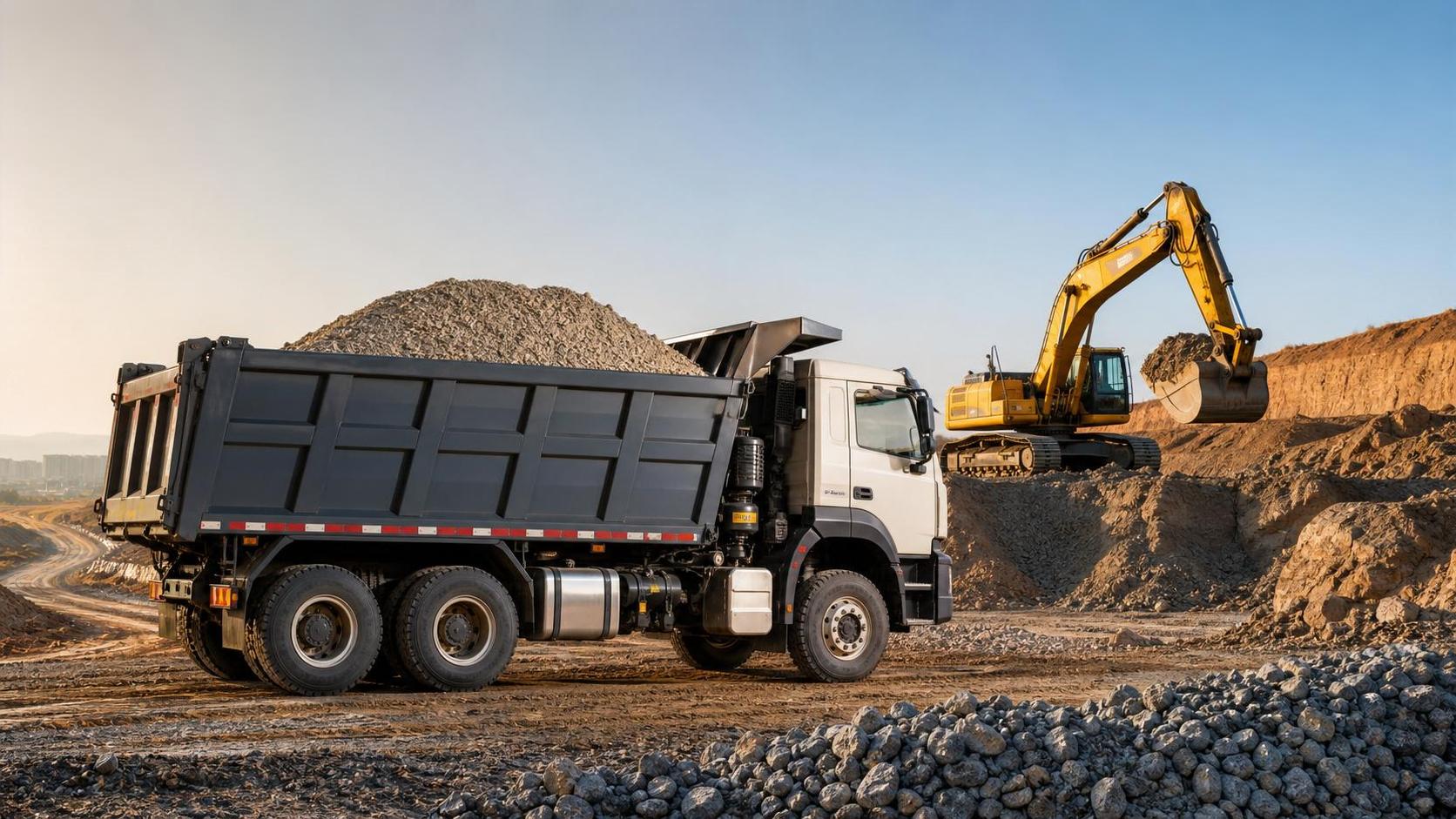
How to Choose Dump Truck Capacity for Site Work
Choosing the right dump truck capacity can make or break efficiency on a construction site.
The wrong dump truck size often brings higher hauling costs, schedule pressure, and lost productivity.
The right match improves cycle time, fuel use, crew balance, and material flow.
This guide breaks down how to choose dump truck capacity by material, site conditions, haul distance, and daily workload.
Start With Material Type and Density
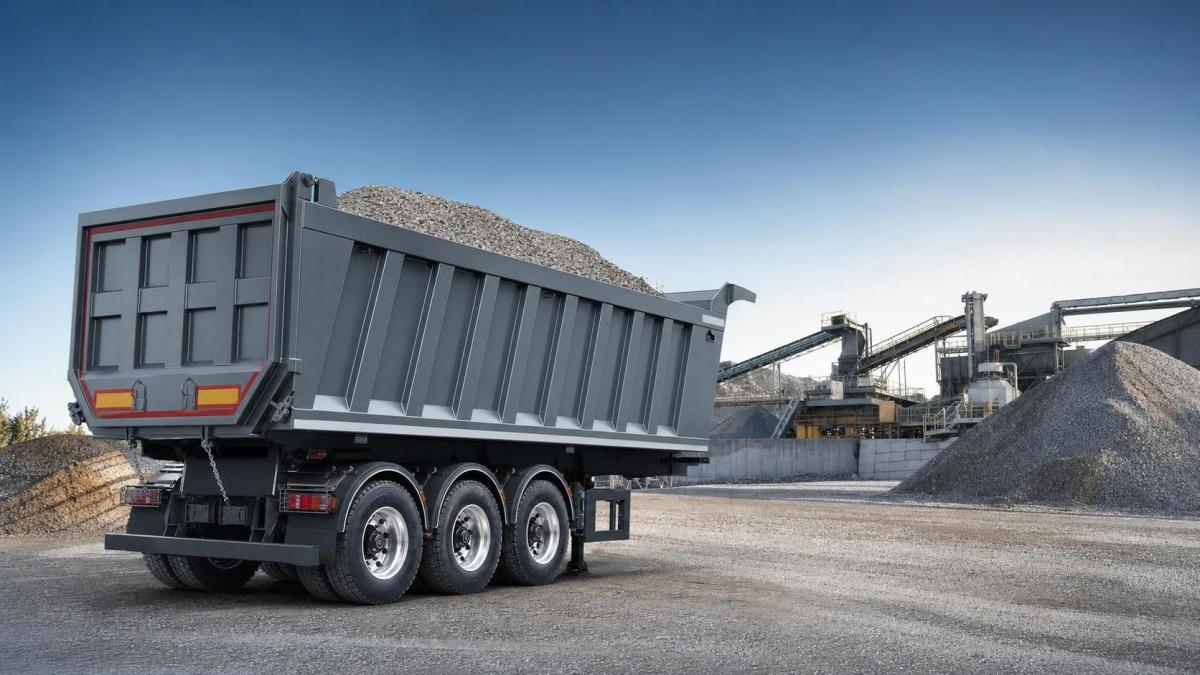
A dump truck is usually rated by body volume, but your real limit is often payload weight.
That matters because soil, sand, gravel, demolition waste, and wet clay behave very differently.
Loose topsoil can fill the body before hitting weight limits.
Crushed stone or saturated material may hit legal weight long before the body looks full.
So the first step in dump truck selection is simple: define the material mix clearly.
Use supplier density data when available.
If conditions are variable, estimate using the heaviest likely material, not the average.
This gives you a safer starting point for choosing dump truck capacity.
- Topsoil and mulch: volume usually limits the load first.
- Sand and gravel: weight usually limits the load first.
- Wet clay: watch both sticking and overload risk.
- Demolition debris: irregular loading reduces usable body space.
Match Dump Truck Capacity to Daily Production Targets
A dump truck should support production, not just carry the biggest load possible.
That sounds obvious, but many site plans still size trucks by habit.
Begin with the target tonnage or cubic volume for each shift.
Then calculate how many cycles are needed from loading point to dump point and back.
A smaller dump truck with fast cycle times can outperform a larger one on short hauls.
On longer routes, a higher-capacity dump truck often lowers cost per ton.
In practical terms, capacity decisions should follow this logic:
- Set the required daily moved volume or tonnage.
- Measure average round-trip cycle time.
- Factor loading, queuing, dumping, and traffic delays.
- Compare output across several dump truck sizes.
This is where many equipment decisions get clearer.
You are not buying or assigning capacity in isolation.
You are building a flow system.
Check Site Access, Ground Conditions, and Turning Space
A bigger dump truck is not always better if the site cannot handle it.
Tight entrances, soft ground, steep ramps, and narrow haul roads change the decision fast.
Large-capacity units need more turning room and firmer working surfaces.
If access is constrained, a medium dump truck may keep work moving more reliably.
This is especially true on urban infill sites or phased civil projects.
Another issue is dumping stability.
Uneven ground increases rollover risk during bed lift, particularly with sticky or off-center loads.
Before finalizing dump truck capacity, check these site questions:
- What is the narrowest access point?
- How firm is the haul road after rain?
- Can trucks pass each other safely?
- Is there enough room to reverse and dump cleanly?
- Are grade limits compatible with loaded operation?
If the answer is uncertain, choose the option that protects continuity, not just rated capacity.
Balance Capacity With Loading Equipment
A dump truck should match the excavator, wheel loader, or plant feeding it.
Poor matching creates idle time on both sides.
If the truck body needs too many bucket passes, loading slows down.
If it needs too few, load accuracy and weight control may suffer.
A useful rule is to target an efficient number of loading passes.
That usually keeps the loading pattern consistent and helps schedule more accurately.
In some hauling fleets, support units matter too.
For longer road-based hauling or trailer support, a tractor platform may need equal attention.
A relevant option in mixed transport operations is Shaanxi Heavy-Duty Truck Tractor SHACMAN F3000 Tractor Truck Head 400HpTrailer Truck New for Sale.
It fits situations where site logistics include both material movement and tractor-based hauling support.
Understand Legal Weight Limits and Route Restrictions
The best dump truck on paper can become the wrong choice on public roads.
Axle limits, bridge rules, and local transport regulations often reduce usable payload.
That means rated body volume does not tell the full story.
If your dump truck regularly moves between site and road network, compliance must shape the choice.
It is also worth checking permit needs for oversized or high-capacity configurations.
Some routes reduce speed or force detours for heavier vehicles.
Those hidden delays can erase the advantage of a larger dump truck.
Compare Total Cost, Not Just Truck Size
Capacity choice is really a cost-control decision.
Purchase price or rental rate matters, but it should not dominate the analysis.
Fuel burn, tire wear, maintenance, operator availability, and queue time all change the economics.
A larger dump truck may reduce trips but cost more when underutilized.
A smaller dump truck may seem cheaper until extra trips create labor and schedule pressure.
The best comparison uses cost per moved ton or cost per cubic yard.
That gives a cleaner view of real project performance.
When reviewing transport support for broader fleet planning, Shaanxi Heavy-Duty Truck Tractor SHACMAN F3000 Tractor Truck Head 400HpTrailer Truck New for Sale can also be compared against route demands and towing requirements.
A Practical Dump Truck Selection Checklist
If you need a fast decision framework, use this checklist before assigning or buying a dump truck.
- Identify the heaviest expected material, not just the most common one.
- Estimate daily output targets in tons and cubic measure.
- Time actual haul cycles during peak site conditions.
- Confirm loading equipment matches the proposed dump truck body size.
- Review road width, turning space, and dump area stability.
- Check legal payload, axle, and route restrictions.
- Calculate cost per trip and cost per moved unit.
- Allow some buffer for weather, congestion, and material variation.
That process keeps dump truck selection grounded in site reality.
It also reduces the chance of choosing capacity based on guesswork or legacy habits.
Final Takeaway
The right dump truck capacity is the one that fits your material, route, loading method, and production target at the same time.
It should move enough material, stay compliant, handle site conditions, and support predictable cycle times.
When you assess dump truck needs through output, risk, and total cost, the decision becomes much clearer.
Review your current haul pattern, test a few capacity scenarios, and choose the dump truck setup that keeps work flowing without adding avoidable cost.