
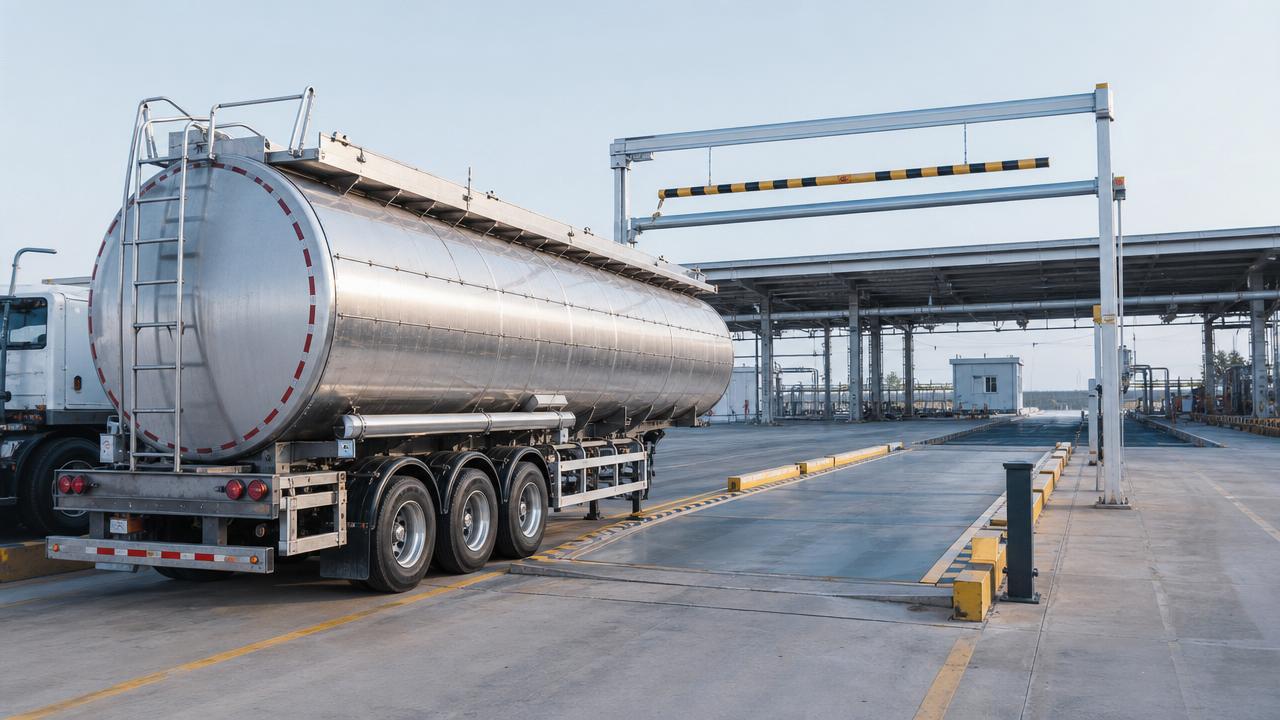
Choosing the wrong tank truck size can raise transport costs, reduce usable payload, and create avoidable delivery delays. So, how do you choose the right tank truck capacity? The practical answer is to match capacity to product type, route conditions, unloading frequency, legal weight limits, and long-term operating efficiency rather than simply choosing the biggest tank available.
For most buyers in the trailer industry, the right tank truck capacity is the one that moves the highest profitable volume per trip without causing underloading, overweight risk, slow turnover, or restricted route access. That means capacity planning is both an engineering decision and a business decision.
What Is the Real Goal When Choosing Tank Truck Capacity?
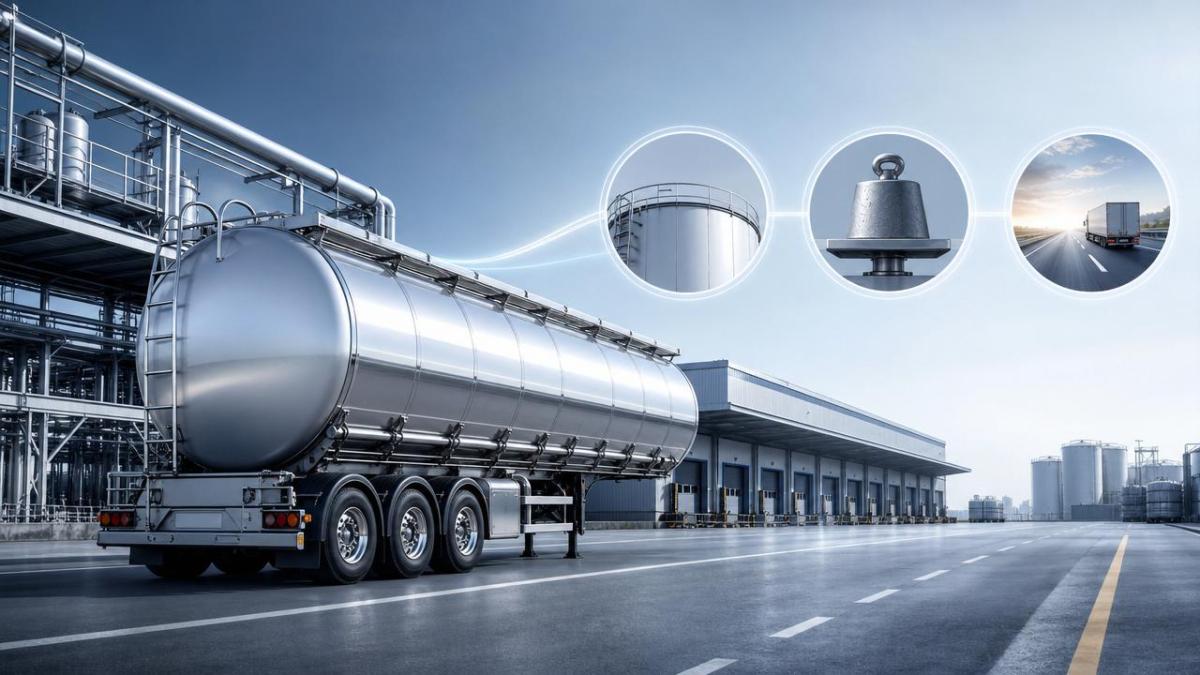
Many buyers begin with a simple question about tank size, but the real decision is broader. They are usually trying to find the capacity that fits daily transport demand while protecting margins, delivery reliability, and operational flexibility.
If the tank is too small, you may need more trips, more drivers, more fuel, and more loading time. If the tank is too large, you may carry partial loads too often, waste capital, and limit access to certain roads, facilities, or customer sites.
That is why the best answer to how do you choose the right tank truck capacity depends on actual transport patterns, not brochure specifications alone. A smart selection balances payload, density, route rules, unloading methods, and future business plans.
Start with What You Haul, Not Just How Much You Haul
The first factor is cargo type. Different liquids behave differently, and the product itself can determine whether volume or legal gross weight becomes the true limiting factor. Water, fuel, chemicals, food-grade liquids, and bitumen all create different capacity requirements.
Low-density liquids may allow you to use more tank volume before reaching legal weight limits. High-density liquids often reach maximum axle weight long before the tank is physically full. In those cases, a larger tank does not automatically increase useful payload.
Product safety also matters. Hazardous liquids may require compartment design, surge control, special linings, pressure ratings, or temperature management. Food-grade transport may require stainless steel construction and strict cleaning standards that influence tank configuration and working volume.
Before choosing a size, operators should confirm product density, viscosity, loading temperature, contamination sensitivity, and discharge requirements. These factors often have a bigger effect on practical tank truck capacity than the nominal volume listed in sales materials.
How Delivery Frequency Changes the Right Capacity Choice
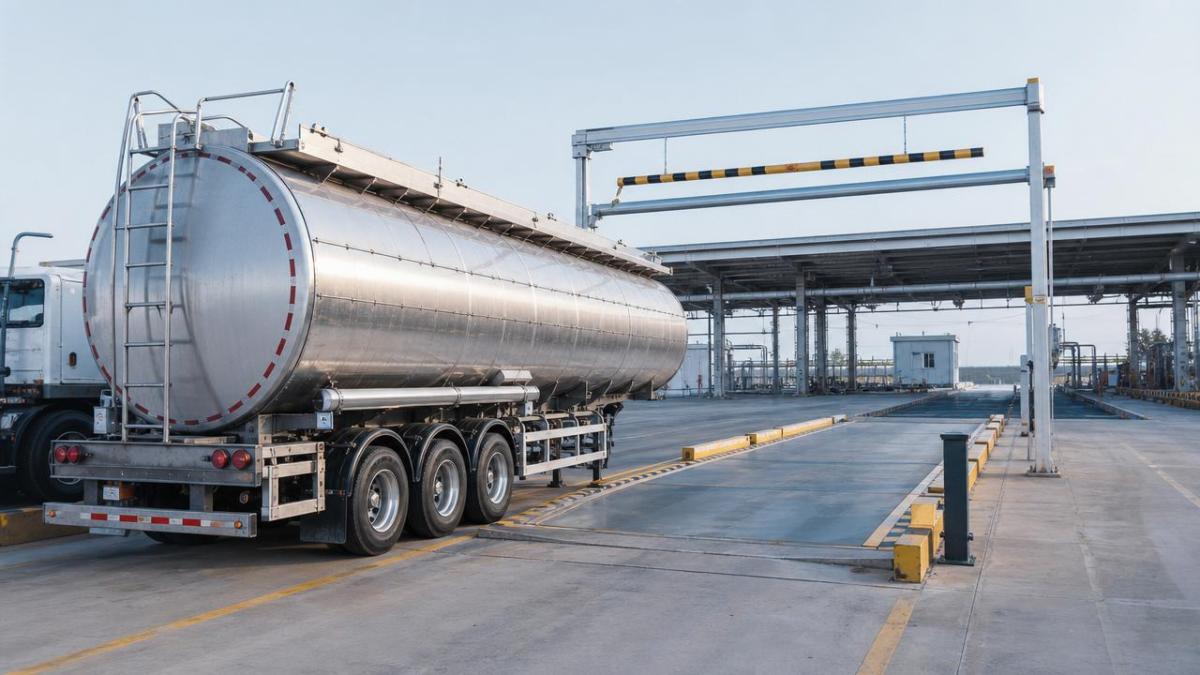
One of the most overlooked issues is delivery rhythm. A company making many short, frequent runs may not need the same tank size as one serving long-distance routes with fewer loading opportunities. Capacity must support the operating cycle, not just the shipment total.
If loading terminals are nearby and turnaround is fast, a smaller or mid-size tank may produce better fleet utilization. It can complete more predictable cycles, enter tighter sites, and avoid carrying unused capacity on every trip.
By contrast, longer routes usually reward better load consolidation. When a vehicle travels far between loading and unloading points, a larger tank can reduce cost per delivered unit if road laws, site access, and cargo density still allow efficient use of that volume.
Ask practical questions such as how many deliveries are made each day, how often the vehicle returns for reload, and whether customer demand is steady or seasonal. These answers often reveal whether bigger capacity improves efficiency or simply adds weight and cost.
Legal Weight Limits Often Matter More Than Tank Volume
Many buyers focus on liters or gallons first, but transport law often sets the true operating ceiling. Gross vehicle weight limits, axle load restrictions, bridge rules, and regional transport regulations can all reduce the usable benefit of a large tank.
A tank truck that looks ideal on paper may be impossible to run at full volume once the tractor weight, trailer tare weight, product density, and road restrictions are added together. This is especially important in cross-border operations or mixed urban and rural delivery networks.
That is why capacity planning should start with payload math. Calculate legal gross weight, subtract tractor and trailer tare weight, then compare the remaining payload allowance with the density of the liquid being transported. This shows the real fill level you can legally carry.
In many operations, the most efficient tank is not the physically largest one. It is the one whose usable loaded volume closely matches legal payload limits across the routes you actually run. That is a much more profitable benchmark than headline tank size alone.
Why Route Conditions and Site Access Should Influence Capacity
Even if a larger tank works within legal weight limits, it may still perform poorly on real routes. Narrow roads, steep grades, soft access surfaces, low-clearance entries, sharp turns, and crowded industrial yards can all reduce the practicality of high-capacity tank trailers.
Urban deliveries and plant-to-site distribution often demand maneuverability more than maximum volume. A slightly smaller capacity can sometimes improve dispatch reliability because drivers can access more customer locations without special routing, delays, or transfer operations.
Off-road or mixed-condition applications also change the equation. If a trailer must operate on uneven surfaces or in remote job sites, stability, axle load distribution, and suspension choice become critical. In such cases, capacity should support safe operation first and volume second.
Buyers should review their most restrictive route, not just their easiest one. The right tank truck capacity is the size that works consistently across the network, including difficult customer sites and seasonal road conditions that affect everyday operations.
Should You Choose a Single-Compartment or Multi-Compartment Tank?
Capacity is not only about total volume. It is also about how that volume is divided. A single-compartment tank may maximize one-product efficiency, but a multi-compartment design can serve more customers, more products, or more delivery stops within one trip.
For fuel distribution, chemical delivery, or mixed-order transport, compartment layout can be more valuable than raw tank size. It allows operators to carry separate products, reduce contamination risk, and serve multiple destinations without returning to reload.
However, compartment systems also reduce flexibility in some cases. If your work mostly involves high-volume movement of one liquid, multiple compartments may create unnecessary complexity, cleaning demands, and partial-load inefficiency. The best design depends on delivery structure.
When choosing capacity, think in terms of usable compartment volume, not just total shell capacity. A slightly smaller tank with the right compartment arrangement may outperform a larger tank that cannot match real customer order patterns.
How to Balance Purchase Cost with Long-Term Operating Efficiency
Another major concern for buyers is return on investment. Larger-capacity tank trucks usually cost more to buy, may require heavier specifications, and can increase maintenance complexity. The question is whether those extra costs are offset by better delivery economics over time.
To judge this properly, compare cost per delivered unit rather than purchase price alone. Include trip frequency, fuel use, idle time, labor, maintenance, tire wear, tolls, and loading delays. A bigger tank only creates value if it lowers total delivery cost in real use.
It is also wise to estimate fleet flexibility. A very large tank may be highly efficient on one route but less useful across the rest of the business. A mid-range capacity often gives operators more options when customer demand changes or dispatch priorities shift.
For growing companies, future demand matters too. Buying only for today can lead to early replacement. Buying too far ahead can trap capital in underused equipment. The strongest decision usually comes from choosing a capacity that fits current work and near-term expansion.
A Practical Framework for Choosing the Right Tank Truck Capacity
If you are still asking how do you choose the right tank truck capacity, the most reliable method is to use a simple decision framework based on real operating data. This prevents capacity decisions from being driven by guesswork or by the assumption that larger is always better.
First, define the liquid type, density, and special handling needs. Second, calculate average and peak shipment volume. Third, map route distance, road restrictions, and site access conditions. Fourth, compare legal payload limits with actual fillable volume.
Fifth, evaluate delivery frequency, reload opportunities, and unloading time. Sixth, decide whether single-product transport or multi-compartment flexibility is more important. Finally, compare equipment options based on cost per delivered unit over the expected service life.
Using this framework helps buyers choose a tank truck size that supports profit, compliance, service quality, and operational stability. It also makes internal purchasing discussions easier because the decision can be supported by measurable criteria rather than preference alone.
Common Mistakes Buyers Make When Sizing a Tank Truck
One common mistake is selecting capacity based only on the largest possible order. If that peak scenario happens rarely, the trailer may spend most of its life running inefficient partial loads. Average use usually matters more than occasional maximum demand.
Another mistake is ignoring product density. Buyers sometimes assume a bigger tank means more saleable payload, then discover the vehicle reaches legal weight before the tank is full. This creates a gap between theoretical and usable capacity.
A third mistake is overlooking unloading and site conditions. A tank that is ideal for line-haul work may create delays at customer locations if access is limited, hose runs are difficult, or discharge equipment does not match delivery needs.
Finally, some buyers evaluate only acquisition cost. A cheaper but poorly matched tank can create years of extra operating expense. Correct sizing is valuable because it reduces inefficiency every day, not just at the point of purchase.
Conclusion: The Best Capacity Is the One That Fits Real Operations
There is no universal answer to the question how do you choose the right tank truck capacity because the correct size depends on cargo, density, route design, legal limits, delivery frequency, and business goals. The best capacity is not simply the largest or cheapest option.
For most operators in the trailer industry, the right choice is the tank truck that delivers the most usable payload at the lowest sustainable operating cost while remaining compliant, accessible, and flexible enough for everyday routes. That is what turns capacity from a specification into a real business advantage.
If buyers evaluate tank size through the lens of actual transport demand, payload law, customer delivery patterns, and long-term cost per delivered unit, they can make a clearer and more profitable decision. In practice, right-sizing a tank truck is less about maximum volume and more about operational fit.