
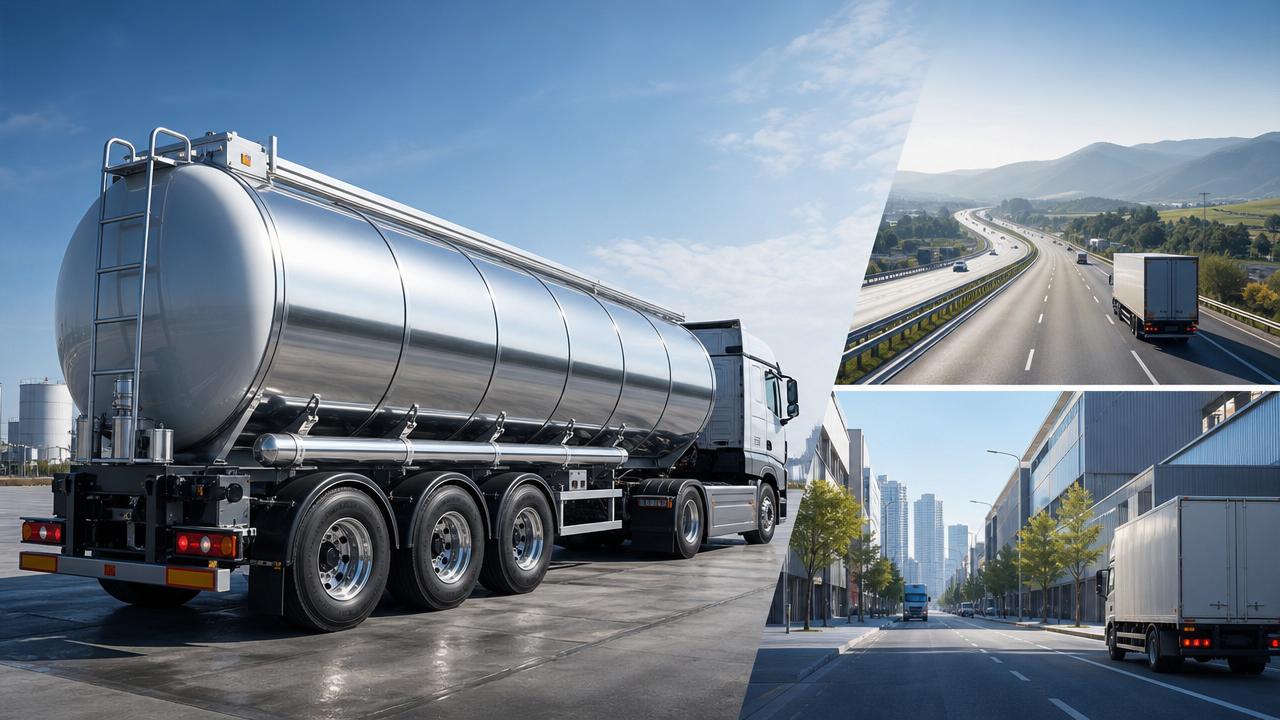
Choosing the wrong tank capacity can quietly increase fuel use, maintenance, delivery delays, and overall operating costs. So, how do you choose the right tank truck capacity? The answer depends on payload needs, route conditions, cargo type, and loading efficiency. Understanding these factors helps fleet owners and operators avoid unnecessary expenses while improving safety, compliance, and long-term trailer performance.
Why can the wrong tank capacity raise trailer operating costs?
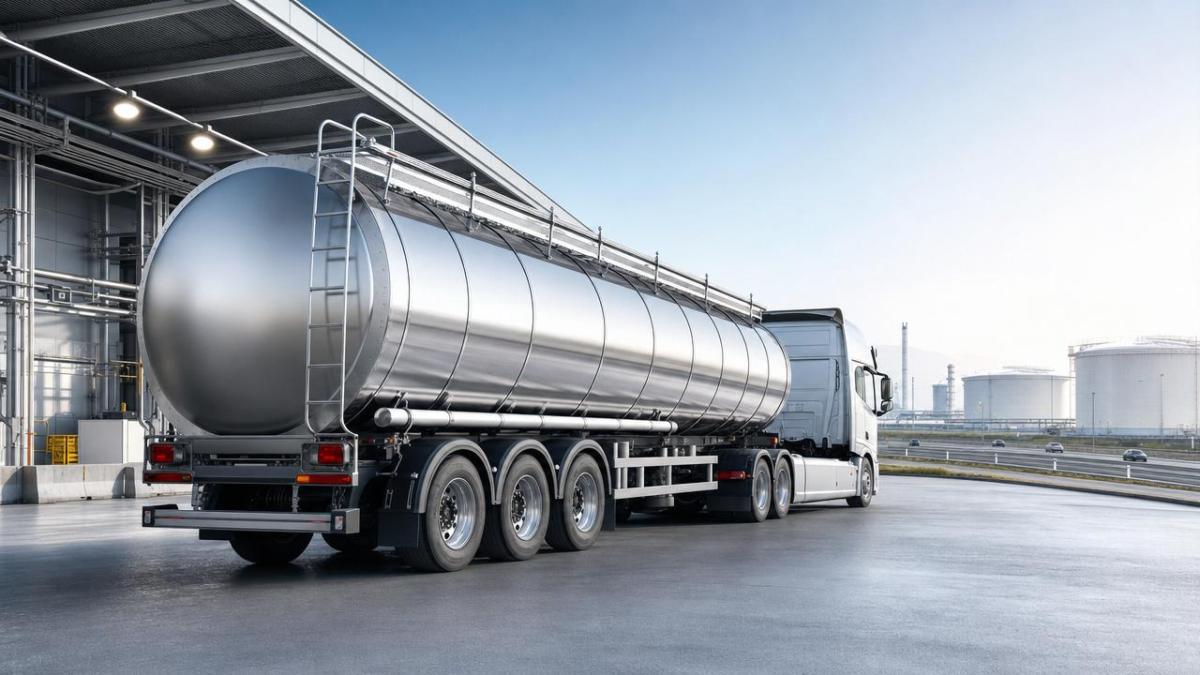
In the trailer industry, tank capacity is not just a volume figure on a drawing. It directly affects axle loading, tractor matching, fuel consumption, turnaround speed, and the number of trips needed to complete each delivery plan.
When operators ask, how do you choose the right tank truck capacity, they are really asking how to balance payload, legal weight limits, unloading efficiency, and total cost per ton-kilometer. A tank that is too large or too small can damage profitability.
What happens when the tank is too large?
- The trailer may carry unused volume on every trip, which increases tare weight and fuel consumption without generating additional revenue.
- A larger shell can reduce maneuverability on narrow roads, mining areas, terminals, and urban delivery routes.
- Cleaning, inspection, and maintenance often take longer because more internal surface area and more fittings must be checked.
What happens when the tank is too small?
- More trips are required to move the same cargo volume, raising labor, toll, tire, and tractor utilization costs.
- Peak demand periods become harder to manage because dispatchers have less flexibility in route planning.
- Delivery lead times may stretch, especially for long-distance liquid transport where loading windows are limited.
The real cost problem is rarely the purchase price alone. It is the mismatch between tank volume and daily operating conditions. That is why capacity selection should be treated as a fleet planning decision, not a simple equipment specification.
How do you choose the right tank truck capacity for different trailer applications?
Tank semi-trailers serve different transport tasks, including fuel delivery, chemicals, edible liquids, water, and bulk liquid distribution. Capacity choice should start with the actual working scenario rather than a general preference for larger or smaller units.
The table below shows how application conditions influence capacity decisions. It can help answer the practical question: how do you choose the right tank truck capacity in daily operations?
This comparison shows that the right answer depends on cargo density, route complexity, and unloading frequency. A trailer designed for refinery-to-terminal runs may perform poorly in urban distribution, even if its nominal capacity looks attractive.
Key application factors to verify before ordering
- Average trip distance and whether routes are mostly highways, mixed roads, or restricted urban networks.
- Loading point and unloading point conditions, including pump capacity, turnaround pressure, and site accessibility.
- Cargo density range, viscosity, and compartment requirements if multiple products must be carried.
- Legal axle load and gross vehicle weight rules in the destination market.
Which technical parameters matter most when selecting capacity?
Many buyers focus on liters or cubic meters first. That is important, but it is incomplete. In tank trailer selection, capacity must be linked to density, compartment design, center of gravity, and running configuration.
If you are evaluating how do you choose the right tank truck capacity, the following technical factors should be checked together rather than separately.
Capacity is only one part of payload planning
- Cargo density determines whether weight or volume becomes the first limit.
- Tank material affects tare weight, corrosion resistance, and long-term maintenance needs.
- Compartment quantity influences delivery flexibility and surge control.
- Baffle arrangement can improve stability during braking and cornering.
The following table helps procurement teams connect capacity with operating performance instead of judging tank size in isolation.
A technically sound capacity choice lowers hidden costs because it reduces underloading, avoids overload penalties, and supports safer handling. That is usually more valuable than simply buying the biggest tank available within budget.
How to compare small, medium, and large tank trailer capacities
Capacity bands vary by market and product type, but buyers often compare smaller, mid-range, and larger tank trailer concepts before making a final decision. The right option depends on operating rhythm, not only rated volume.
This comparison helps fleet managers understand how do you choose the right tank truck capacity from a cost and operational perspective.
For many trailer operators, the mid-range solution offers the best balance. However, if your cargo is heavy or your routes include strict bridge and axle controls, a smaller capacity may deliver better financial results over the full service life.
A practical decision sequence
- Calculate daily or weekly transport demand by product type.
- Match that demand against legal gross weight and axle load rules.
- Review route restrictions, turning radius limits, and yard conditions.
- Estimate cost per trip, cost per delivered ton, and expected annual utilization.
What cost drivers are most often overlooked during capacity selection?
Buyers often compare purchase prices but miss the larger cost picture. In tank trailer operations, an incorrect capacity choice can increase expenses in several smaller ways that accumulate month after month.
Hidden operating costs linked to capacity mismatch
- Fuel burn rises when a heavier trailer structure is moved without using its full revenue capacity.
- Brake, tire, and suspension wear can accelerate if weight distribution is poor or if a route is too harsh for the chosen configuration.
- Loading delays become more common when site pumps, hoses, or unloading systems do not match the trailer’s actual working volume.
- Compliance risk increases if operators try to compensate for limited capacity through frequent overloading or partial route adjustments.
This is why the question how do you choose the right tank truck capacity should include a full operating cost review. A lower upfront trailer price does not guarantee a lower ownership cost.
When an alternative setup may work better
In some cases, changing the capacity is not the only solution. Operators may benefit more from using multiple compartments, a different axle layout, a lighter tank material, or a dedicated route-specific trailer group. These options can improve efficiency without simply increasing tank volume.
What should buyers check for compliance and safe operation?
Capacity selection should always align with local transport rules and standard safety practices. Different markets apply different limits on gross weight, axle load, hazardous cargo marking, braking systems, and rollover control expectations.
While exact certification requirements vary, buyers should verify legal dimensions, weight distribution, compartment suitability, grounding or discharge arrangements where relevant, and compatibility with the intended tractor unit.
Basic compliance checklist for tank trailer procurement
- Confirm road transport regulations in the target country or region before finalizing tank volume.
- Check whether the cargo requires special materials, sealing methods, or dedicated safety accessories.
- Review axle and suspension selection against expected road quality and loading frequency.
- Request dimensional and weight calculations before production starts.
These checks reduce the risk of ordering a tank trailer that looks suitable on paper but performs poorly in the actual regulatory and route environment.
FAQ: how do you choose the right tank truck capacity in real procurement?
Is a larger tank trailer always more profitable?
No. A larger unit only improves profit when the route, cargo density, legal weight limits, and site access all support full or near-full utilization. If the trailer runs partly empty or faces weight restrictions, operating cost per trip can rise instead.
How do dense liquids change the right capacity choice?
Dense liquids often reach the legal weight limit before the tank is completely filled. In that case, a smaller tank volume can be more practical because it avoids buying and towing unused structure while keeping weight compliance easier to manage.
Should I prioritize volume or compartments?
It depends on your delivery model. Single-product long-haul transport may benefit more from optimized total volume. Multi-stop or multi-product distribution often needs a compartment layout that improves flexibility, even if nominal total capacity is slightly reduced.
What information should I prepare before asking for a quotation?
Prepare the cargo type, density range, annual transport volume, route profile, expected tractor head specification, required compartments, local road limits, and unloading method. This information makes capacity recommendations far more accurate and useful.
Why choose us for tank trailer capacity confirmation and project support?
Choosing the right capacity is easier when the discussion starts from your operating conditions instead of a generic catalog size. For trailer buyers, the most valuable support usually includes route-based advice, weight distribution review, configuration matching, and realistic delivery planning.
If you are still asking how do you choose the right tank truck capacity, we can help you review the key inputs before you place an order. That can reduce selection mistakes and improve long-term operating results.
- Capacity confirmation based on cargo density, route distance, and target payload.
- Configuration suggestions for compartments, axle arrangement, and trailer structure.
- Guidance on delivery cycle planning, application suitability, and local compliance considerations.
- Quotation communication for standard or customized tank semi-trailer solutions.
Contact us if you want to compare capacity options, confirm technical parameters, discuss customized trailer layouts, or review estimated delivery timing for your project. A clear capacity decision at the start can prevent years of avoidable operating cost.