
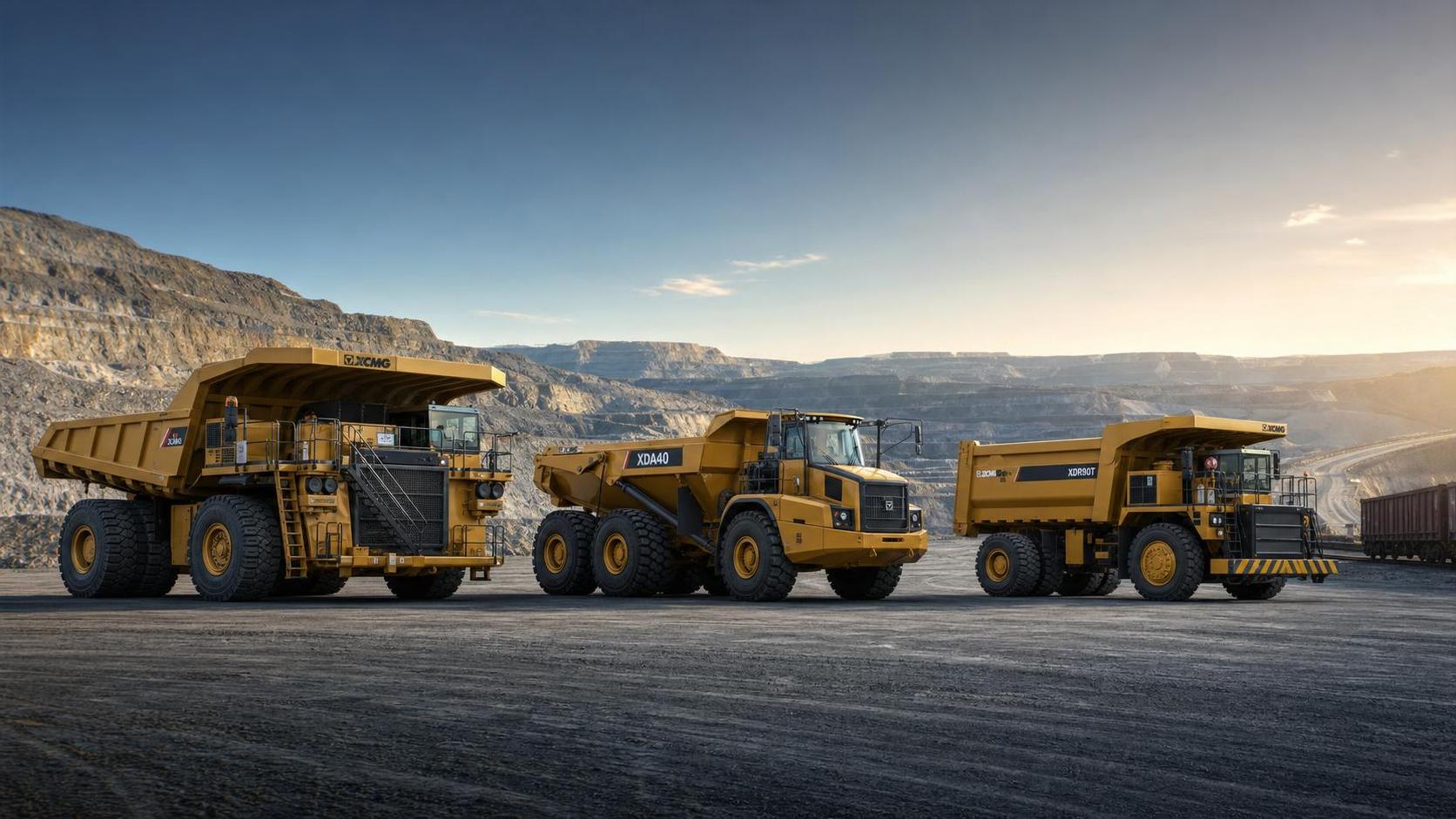
Selecting the right mining truck is rarely a simple capacity comparison. In mining and heavy trailer logistics, truck type influences haul cycle time, fuel burn, tire wear, road design, and overall site risk.
That is why rigid, articulated, and off-highway models deserve a closer look. Each mining truck category is built around a different balance of payload, terrain adaptability, maintenance access, and operating discipline.
When evaluations are tied to dump bodies, trailer support fleets, and material movement planning, the decision becomes even more practical. A truck that looks efficient on paper may underperform once grade resistance, turning radius, or road conditions enter the picture.
Why Mining Truck Type Matters
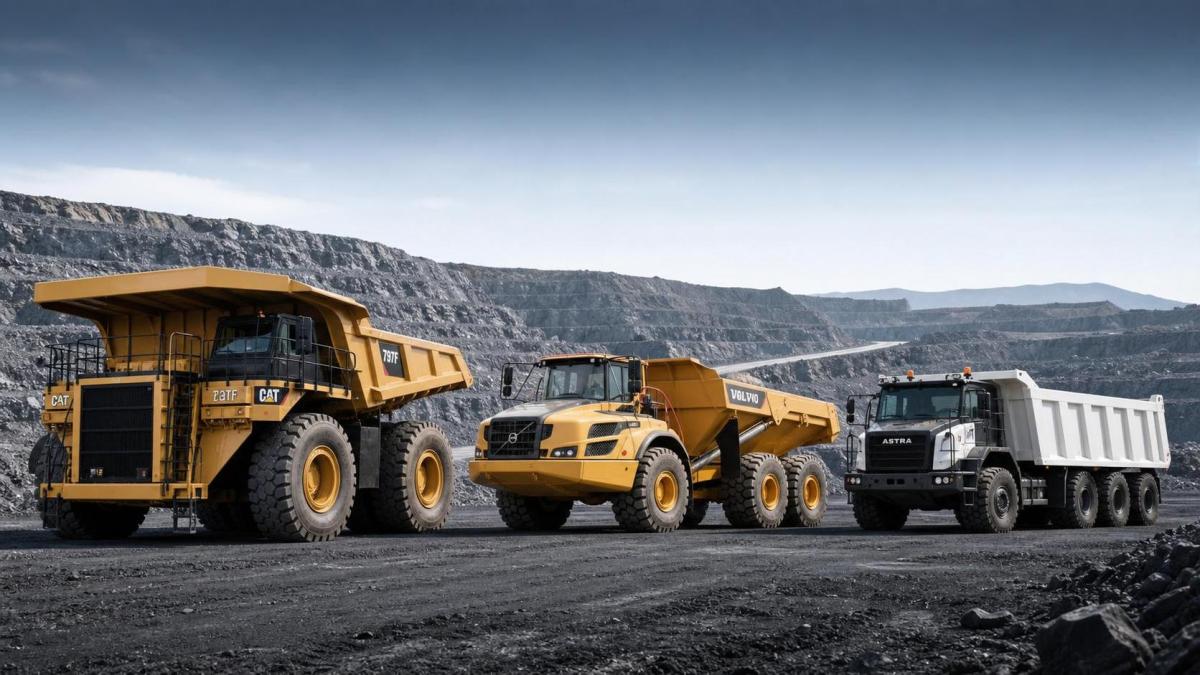
Truck architecture affects more than hauling volume. It shapes loading compatibility, body stress, braking behavior, and the support equipment needed around the haul road.
A mining truck also sits within a broader transport chain. In some projects, rigid dump trucks feed crushers directly. In others, they work alongside trailer-based transfer systems, stockyard movement, or secondary road transport.
This is where the trailer industry connection becomes relevant. Matching truck discharge height, body design, and cycle speed with downstream trailer operations can reduce congestion and idle loading time.
Rigid Mining Trucks in High-Volume Haulage
Rigid haul trucks are the classic large-capacity mining truck design. They use a fixed chassis, large open dump body, and heavy-duty frame intended for consistent haul roads and high payload work.
Their main advantage is production efficiency. On well-maintained mine roads, rigid trucks usually deliver better payload per cycle than smaller articulated units.
They are common in open-pit mines, quarry operations, and bulk overburden movement. These environments reward long, repeatable cycles and disciplined road management.
Where rigid models perform best
- Long haul distances with steady gradients
- High daily tonnage targets
- Wide haul roads and large loading areas
- Sites with established maintenance systems
The tradeoff is flexibility. A rigid mining truck needs more space, stronger roads, and tighter control of operating conditions. On broken or narrow routes, its productivity can drop quickly.
Articulated Models for Variable Ground Conditions
An articulated mining truck uses a pivot joint between cab and body sections. That layout improves steering on uneven ground and helps maintain traction where rigid frames struggle.
These trucks are often chosen for smaller mines, construction-linked extraction sites, and temporary haul routes. They are especially useful when roads are soft, wet, steep, or frequently changing.
Compared with rigid units, articulated trucks usually carry less material per trip. Even so, they can deliver better real output when site conditions would otherwise slow larger trucks.
What evaluators usually check
- Traction performance on mud, loose rock, and uneven grades
- Turning ability in confined loading zones
- Suspension response under partial and full payload
- Fuel efficiency during stop-start operation
In practical fleet planning, an articulated mining truck often fits projects where road investment is limited or where operating zones shift faster than permanent infrastructure can follow.
How Off-Highway Trucks Fit the Comparison
Off-highway trucks sit between specialized mine haul trucks and conventional road dump trucks. The term can cover several heavy-duty dump platforms designed for non-public roads and rough industrial movement.
In some operations, this category offers a practical middle ground. Capacity is lower than ultra-class rigid trucks, but acquisition cost, parts access, and maintenance simplicity may be easier to manage.
That matters for contractors, quarry fleets, and mixed-use sites where hauling tasks overlap with construction, aggregate handling, or connection to trailer-supported logistics.
A useful market reference can be seen in units such as High Efficiency Simple Maintenance Durable Used Howo Truck Used Howo Dump Truck Used Howo 8x4 Dump Truck in Stock, which reflects the appeal of simple service access and available stock in cost-sensitive operations.
A Practical Comparison by Operating Conditions
No single mining truck type is best in every environment. The stronger approach is to compare operating constraints before comparing brochure specifications.
This comparison also helps when a site uses multiple transport layers. A mining truck that feeds mobile crushers, stockpiles, or trailer transfer points should be assessed within that full material flow.
Key Evaluation Factors Beyond Payload
Payload rating is important, but it rarely tells the whole story. Real performance comes from how the truck behaves across a full cycle under site-specific conditions.
Points that deserve closer attention
- Average cycle time, not just top speed
- Retarder and brake performance on long descents
- Body wear resistance with abrasive material
- Tire life under turning and loading stress
- Ease of daily inspection and planned maintenance
- Compatibility with loaders, excavators, and transfer trailers
In sites where support transport matters, trailer alignment should not be ignored. Haul units, dump geometry, and transfer timing can influence how smoothly material moves into secondary transport stages.
Cost, Maintenance, and Fleet Logic
The best mining truck decision often comes from lifecycle logic rather than headline output. Purchase price, rebuild intervals, parts supply, and workshop capability can outweigh small differences in rated capacity.
Used and mid-range off-highway trucks may make sense where capital discipline matters. That is especially true for operations balancing quarry work, earthmoving, and trailer-connected aggregate delivery.
In that context, equipment such as High Efficiency Simple Maintenance Durable Used Howo Truck Used Howo Dump Truck Used Howo 8x4 Dump Truck in Stock can be relevant as a benchmark for simple maintenance expectations, even when compared against more specialized mine haul solutions.
Making the Comparison More Useful
A productive assessment starts with the haul route, not the catalog. Road width, rolling resistance, weather exposure, material density, and loading tool match should be documented first.
Then compare each mining truck option against a realistic duty cycle. That usually reveals whether capacity, agility, or maintenance simplicity matters most.
For operations linked to trailer workflows, it also helps to map discharge points, queue times, and transfer distances. Small layout issues can erase the expected gain from a larger truck.
The clearest next step is to build a comparison sheet around terrain, payload target, road condition, service support, and transport integration. A mining truck performs best when it fits the whole haul system, not just the headline specification.