
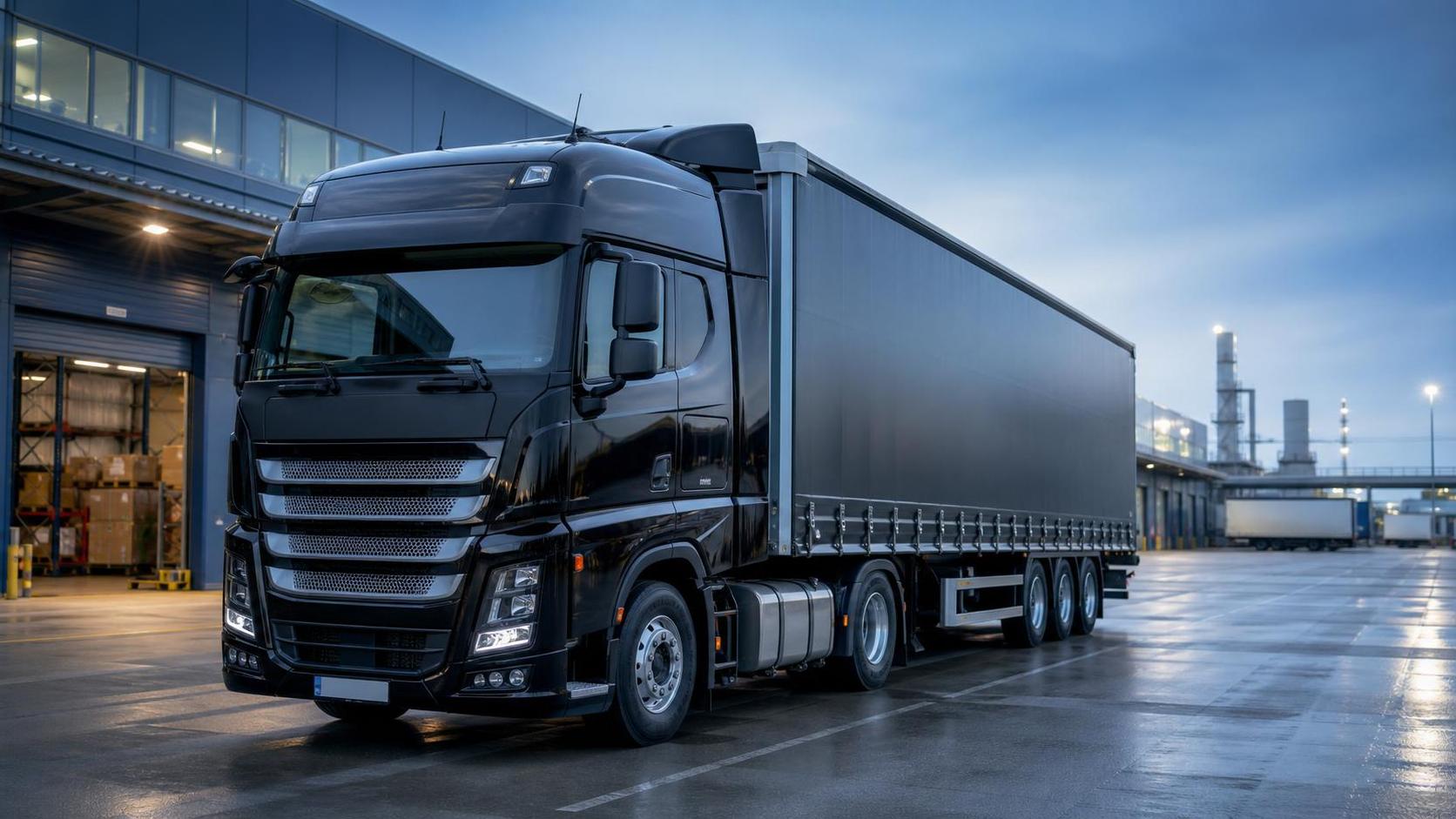
When does a used truck really make better financial sense?
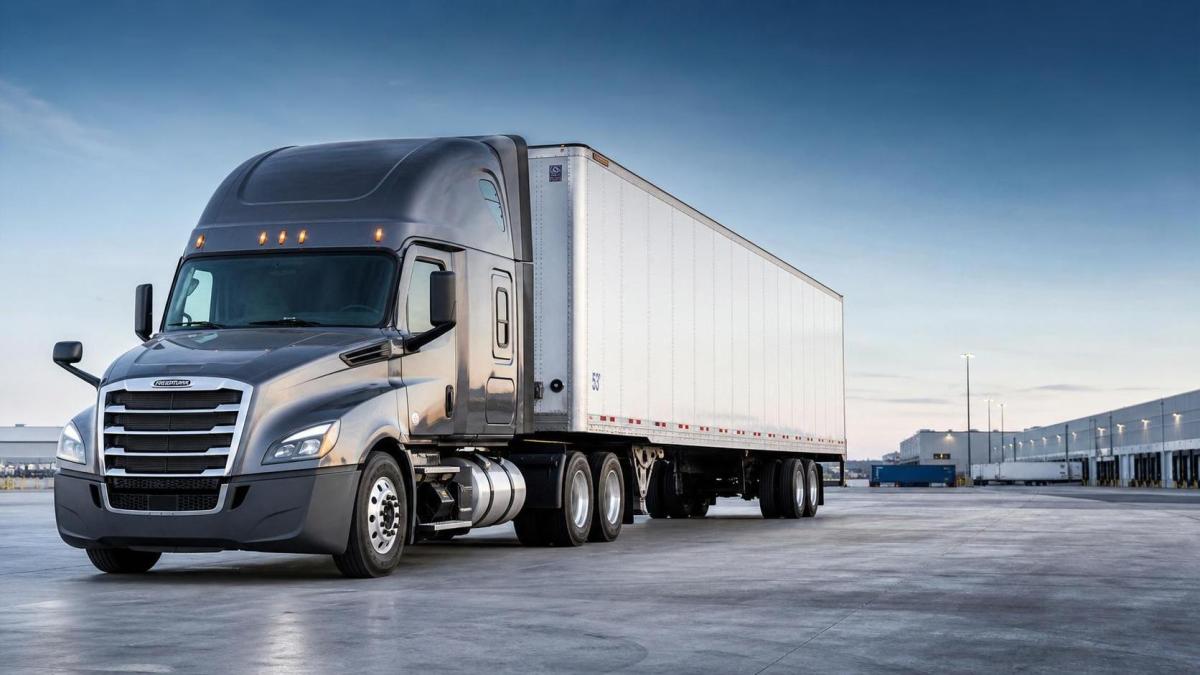
A used truck becomes the better choice when transport capacity matters more than owning the newest asset on paper.
In trailer operations, that usually means balancing purchase price, depreciation, uptime, and resale risk rather than chasing a fresh model year.
The core question is simple: will the truck support hauling demand, protect cash flow, and still hold acceptable value over its working life?
A well-chosen used truck often answers yes, especially when routes are predictable and payload needs are already clear.
This is common in tractor and trailer fleets where utilization drives returns more than appearance or the latest cab features.
The financial logic gets stronger when borrowing costs are high, replacement cycles are short, or fleet expansion must happen without tying up too much capital.
Is lower purchase price the main reason, or is depreciation the bigger story?
The lower upfront price attracts attention first, but depreciation usually creates the bigger long-term advantage.
A new truck loses value fastest in its early years. That loss hits the balance sheet whether the truck runs full or sits idle.
A used truck has already passed through the steepest depreciation curve. That makes its asset value more stable during ownership.
For trailer-related transport, this matters when freight demand changes by season and utilization is not perfectly even.
Lower capital exposure also helps preserve liquidity. That leaves room for trailer maintenance, tire programs, fuel management, and driver-related operating costs.
In practice, a used truck makes sense when the savings from lower acquisition cost outweigh the likely increase in inspection, service, and financing complexity.
That tradeoff is easiest to justify when the truck will serve a specific route, a dedicated trailer type, or a defined project period.
A quick financial check helps
Before choosing any used truck, compare cost per productive month rather than purchase price alone.
This kind of review keeps the discussion grounded in operating economics, not just unit price.
Which trailer-related situations usually favor a used truck?
Not every hauling need points toward new equipment. Some scenarios clearly lean toward a used truck.
One common case is fleet expansion during a demand spike. Capacity is needed quickly, but demand may not stay high forever.
Another case is regional or short-haul trailer work. Daily mileage is controlled, and the business does not need maximum-range specifications.
A used truck also makes sense when the trailer operation involves mature routes with known payload, terrain, and service intervals.
Project-based cargo handling can fit this model too. For example, support work around mounted lifting or site delivery may not justify a brand-new unit.
In that context, equipment such as Sinotruk HowoHeavy Cargo Hydraulic Folding Boom Truck Mounted Crane Efficient Truck Cranes may be reviewed alongside standard haulage assets.
The point is not to force one model into every job. It is to match asset age and cost with real revenue use.
- Seasonal trailer demand with uncertain duration
- Short-haul or fixed-route freight movements
- Backup units for planned maintenance coverage
- Specialized site logistics where asset utilization is selective
What should be checked before approving a used truck purchase?
The best used truck decisions are evidence-based. Age and mileage matter, but they are only the starting point.
Service records should show engine work, transmission service, axle condition, braking history, and any structural repairs.
For trailer operations, coupling condition, frame integrity, suspension wear, and electrical compatibility should be reviewed carefully.
A used truck that looks inexpensive can become costly if it creates trailer mismatch, downtime, or parts delays.
It is also worth checking whether the truck fits current fleet maintenance capability. A rare platform may raise stocking and training costs.
The approval process usually improves when inspection findings are translated into expected operating cost, not just technical notes.
Key approval points
- Verified maintenance history from a reliable source
- Clear match with trailer type, load profile, and route conditions
- Realistic budget for first-year repairs and wear items
- Parts availability within the operating region
- Expected resale position after the planned holding period
These checks matter more than cosmetic appearance. A clean cab does not reduce lifecycle cost by itself.
When can a used truck become the more expensive choice?
This happens when downtime risk is underestimated or when the application is too demanding for the unit being considered.
Long-haul operations with strict delivery penalties may struggle to absorb unplanned repairs. In that setting, a used truck may cost more overall.
The same is true for heavy trailer combinations that push driveline limits every day. Repair frequency can erase the original savings quickly.
Another warning sign is poor documentation. If service history is vague, future cost estimates become guesswork.
Financing terms can also change the equation. A very cheap truck with high repair reserves and expensive credit is not always the better asset.
In actual fleet reviews, the biggest mistake is comparing a used truck only against the sticker price of a new one.
The more useful comparison is total cost across the intended holding period, including downtime exposure and residual value.
How do you compare used truck options without getting lost in details?
A simple scoring framework usually works better than a long technical checklist.
Start with five practical factors: purchase cost, estimated first-year maintenance, fit for trailer duty, parts support, and expected resale.
Then assign more weight to the factors that affect uptime and capital recovery most directly.
This method keeps the review focused. It also makes it easier to compare a conventional used truck with a more task-specific asset.
For example, a unit like Sinotruk HowoHeavy Cargo Hydraulic Folding Boom Truck Mounted Crane Efficient Truck Cranes may justify itself when it reduces separate handling equipment costs.
So, what is the practical next step before deciding?
Start by defining the exact trailer workload the truck must support over the next two to four years.
Then compare at least three options using the same cost horizon, the same utilization assumptions, and the same downtime estimate.
A used truck usually makes more financial sense when it can perform the required job without exposing the business to unstable repair risk.
That decision becomes even stronger when depreciation control, cash preservation, and acceptable resale value matter more than owning the latest model.
The most useful next move is to build a short approval sheet covering route type, trailer match, service history, first-year repair budget, and expected exit value.
Once those points are visible, the right used truck choice usually becomes much easier to defend.