
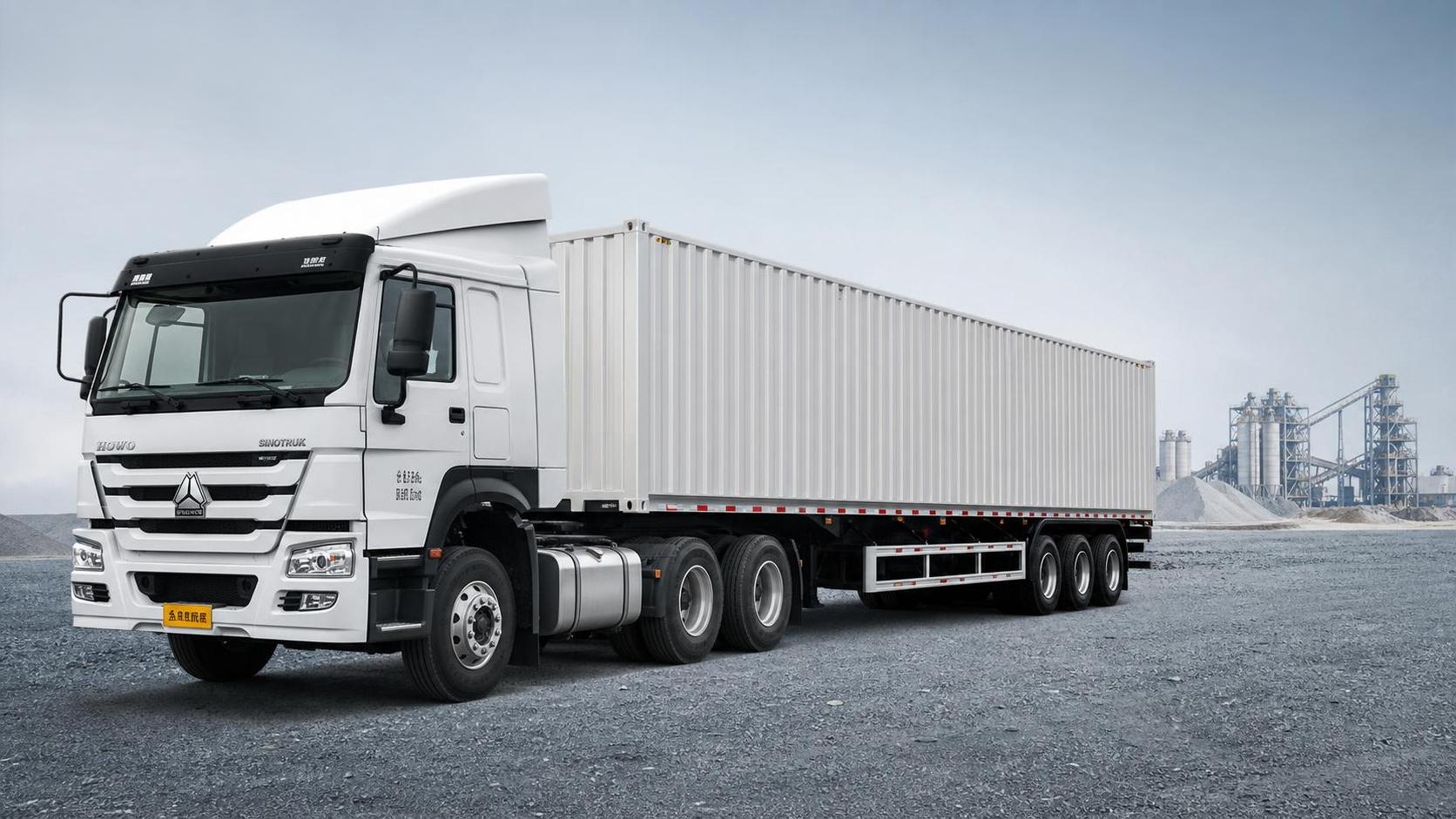
A used truck is often discussed as a budget choice, but the better question is whether it fits the work behind the purchase.
In freight, construction support, and trailer operations, equipment value comes from uptime, payload, and operating cost over time.
That is why a used truck can be worth serious consideration. It may lower capital pressure without automatically lowering practical capability.
The decision matters even more when truck and trailer matching affects route flexibility, load stability, and maintenance planning.
What a used truck really means in working terms
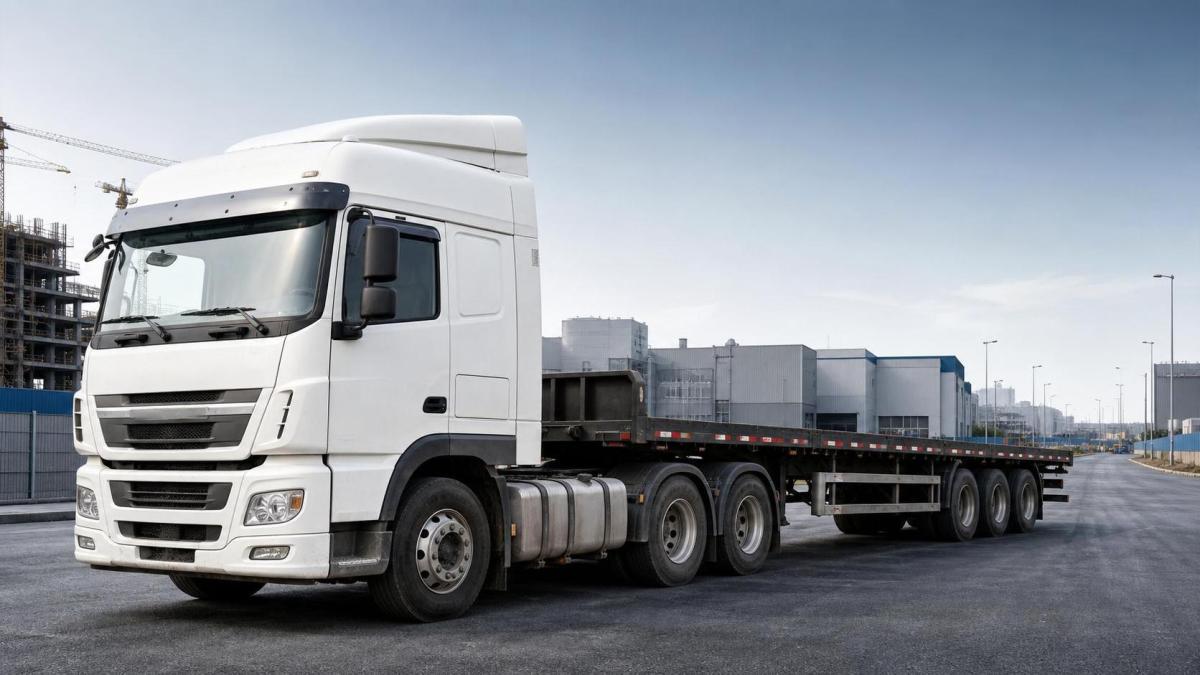
A used truck is not simply an old vehicle. It is a truck that has already completed part of its service life and enters a second ownership cycle.
That sounds basic, but the commercial meaning is more important than the definition.
A used truck carries a history of mileage, loading conditions, maintenance habits, road environments, and previous operating demands.
In the trailer sector, this matters because tractors and support trucks are rarely judged on appearance alone.
They are judged by pulling performance, brake condition, axle health, frame integrity, and compatibility with existing trailer tasks.
A good used truck still has productive life left. A poor one only shifts cost from purchase to repair.
Why the market keeps paying attention to used truck options
The interest around used truck demand is not accidental. Commercial vehicle buyers are under pressure from financing costs, delivery lead times, and unpredictable workloads.
Buying new makes sense in many situations, especially where emissions rules, warranty coverage, or fleet standardization are priorities.
Still, a used truck can become the more rational move when immediate deployment matters more than owning the latest model.
This is common in hauling and trailer-linked operations where seasonal work creates bursts of demand.
A business may need extra capacity for short to medium periods, yet may not want long financing commitments.
In that setting, a used truck helps preserve cash while keeping work moving.
Another factor is availability. If a truck is needed now for site transport, aggregate movement, or trailer repositioning, waiting months for new inventory can hurt revenue.
Where a used truck creates real business value
The value of a used truck is easiest to see when the job is clear.
For heavy trailer support, yard movement, short-haul logistics, construction hauling, or backup fleet coverage, a used truck may perform well without overinvestment.
It can also improve fleet flexibility. Instead of placing one expensive new unit on every assignment, operations can align equipment value with route intensity.
That means newer trucks handle the highest utilization lanes, while selected used truck units take secondary or specialized work.
This approach often works well in mixed fleets that handle both on-road trailer transport and off-road site support.
In practical terms, the smartest used truck purchase is not the cheapest one. It is the one that fits the duty cycle with the least hidden compromise.
When it is worth considering instead of buying new
There are several moments when a used truck deserves a closer look.
When workload is proven but not permanent
If volume has increased but long-term demand is still uncertain, buying new may lock too much capital into an untested expansion plan.
A used truck can bridge that period with less financial strain.
When route intensity is moderate
Not every truck runs extreme annual mileage. Moderate-distance routes, local trailer handling, and site-linked transport may not justify a brand-new unit.
When support infrastructure already exists
If maintenance access, parts sourcing, and technician familiarity are already in place, a used truck becomes easier to manage.
When specific configurations are easier to find second-hand
Some axle setups, dump bodies, and vocational configurations are available faster through the secondary market than through factory order channels.
For example, a model such as Reliable Used Shacman 6x4 Dump Truck for Mining & Construction High-Performance with 40-Ton Capacity Immediate Delivery reflects the kind of application-specific availability that can matter when a project timeline is tight.
The checks that matter before choosing a used truck
A used truck should be assessed as a working asset, not a bargain item.
Paperwork matters, but physical condition and service records matter more.
- Review maintenance history, especially engine, transmission, suspension, and brake service.
- Check frame condition for cracks, corrosion, weld repair, or signs of overload stress.
- Confirm axle rating, horsepower, and torque against the intended trailer or payload requirement.
- Inspect tire wear patterns for alignment, suspension, or load-balance issues.
- Look at hydraulic systems carefully if the truck supports dump or construction work.
- Verify parts availability in the region, because downtime often costs more than purchase savings.
- Test real operating functions, including steering response, braking feel, shifting behavior, and cold-start performance.
In trailer-related operations, coupling height, electrical compatibility, air line condition, and chassis stability should also be reviewed.
A used truck that cannot integrate smoothly with current trailers creates friction across the whole operation.
Common risks and how to read them correctly
The biggest mistake is assuming all risk comes from age.
Age matters, but usage pattern is often more revealing than model year.
A heavily overloaded newer unit may be a worse investment than an older truck with disciplined maintenance and stable route history.
Another risk is buying a used truck with the wrong duty profile.
For example, a truck suited to light freight may struggle in repeated trailer pulling or rough-site hauling.
There is also the cost illusion problem. A low purchase price can hide near-term repairs, fuel inefficiency, or weak residual value.
This is why comparison should focus on total operating cost, not purchase price alone.
How to make the next decision more reliable
The most useful next step is to define the truck by job before defining it by budget.
List the expected payload, trailer pairing, road condition, average distance, and required uptime.
Then compare used truck options against those conditions, not against broad market claims.
It also helps to separate must-have specifications from nice-to-have features. That keeps evaluation grounded and avoids overbuying.
Where the intended work includes mining, construction hauling, or heavy vocational use, examples such as the Reliable Used Shacman 6x4 Dump Truck for Mining & Construction High-Performance with 40-Ton Capacity Immediate Delivery can be useful reference points for comparing configuration, capacity, and deployment readiness.
A used truck is worth considering when it supports the actual work, matches the trailer or hauling environment, and leaves room for maintenance without upsetting cash flow.
That is usually the right point to move from browsing listings to building a short, evidence-based comparison.