
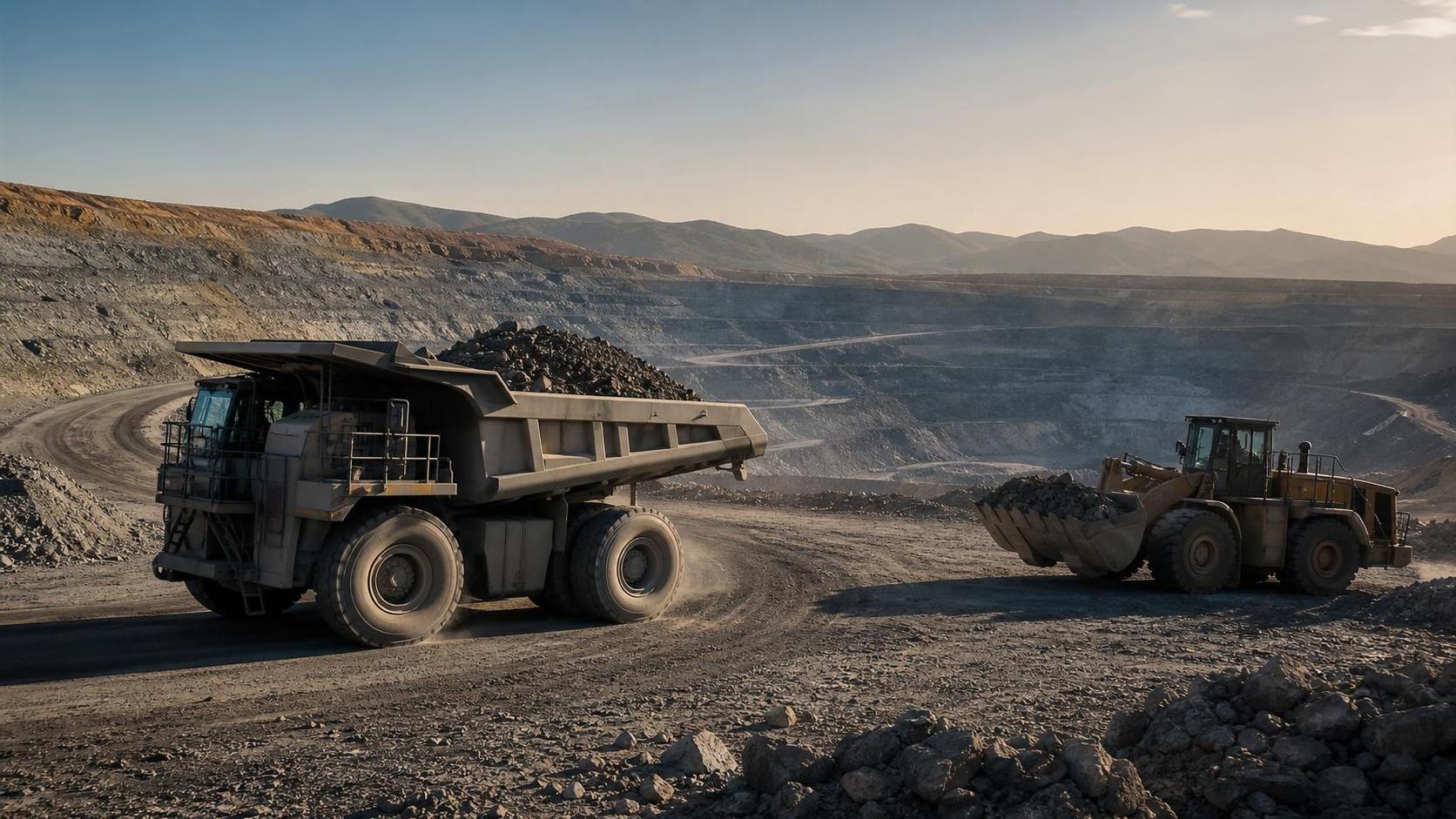
Choosing the right mining truck size shapes more than payload. In open-pit work and short haul routes, it affects cycle time, tire wear, fuel burn, loading balance, and road safety. A well-matched truck keeps material moving smoothly, while an oversized or undersized unit can slow the whole haulage chain and raise daily operating costs.
Why truck size matters on short haul mine routes
A short haul route may look simple, but it is often demanding. Frequent starts, stops, turns, and dumping cycles put pressure on engines, brakes, suspension, and trailers or rear body structures.
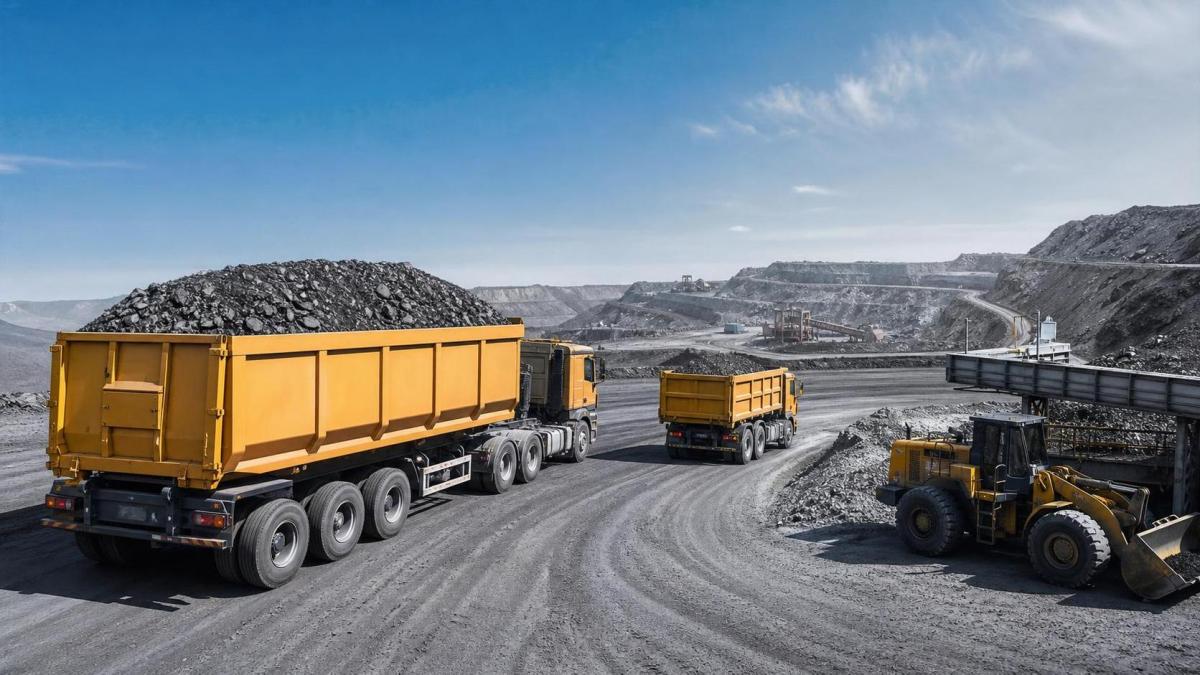
In these conditions, mining truck size must fit the route rather than follow the biggest payload available. Bigger trucks carry more per trip, yet they can lose time on tight ramps, soft haul roads, and uneven loading zones.
Smaller units usually turn faster and adapt better to crowded pits. Still, they may require more trips, more drivers, and higher fuel use per moved ton if the material volume is high.
The basic sizing logic behind a mining truck decision
Truck size selection starts with one practical question: how much material must move per hour without creating bottlenecks? That target connects directly to loader capacity, route length, road grade, and dump point congestion.
The best mining truck is not always the highest-tonnage model. It is the unit that keeps a balanced production rhythm between excavator, haul road, and unloading area.
In trailer-related transport support work around mines, this logic also applies to water, fuel, and service vehicles. Support fleets must match site movement patterns, not just tank volume or chassis rating.
Loader and pass-match relationship
A common rule is to match truck body volume and payload to the loading tool in four to six passes. Fewer passes may overload. Too many passes waste loading time.
If the shovel or wheel loader struggles to fill the truck cleanly, the mining truck may be too large for the face. That imbalance spreads across every cycle.
Payload and material density
Rock density changes the real carrying result. A truck hauling light overburden behaves differently from one moving dense ore or wet broken stone.
Operators should compare rated payload with actual site material density, heaped body volume, and legal or mechanical axle limits. A truck filled by volume can still be under target tons.
Conditions that often change the ideal size
Open-pit conditions are rarely fixed for long. Bench changes, weather, road maintenance quality, and expansion phases can all shift the preferred mining truck category.
This is why a mining truck plan should be reviewed whenever route geometry or production goals change. Static sizing assumptions often lead to avoidable delays.
Where fuel, maintenance, and safety come together
Fuel efficiency is usually discussed in liters per hour. In real mine work, tons moved per liter is often the better measure. A larger truck may consume more fuel but still perform better per ton.
That advantage disappears when road conditions force slow travel, long idle time, or repeated empty returns. On short haul cycles, every unnecessary second becomes expensive.
Maintenance follows the same pattern. Oversized trucks on poor roads can suffer from higher tire damage, brake heat, and structural fatigue. Undersized trucks may face constant overloading and excessive trip counts.
Safety is just as sensitive. A mining truck that is too large for berm height, ramp width, or visibility conditions increases risk during passing, dumping, and reversing.
For support services around the pit, a practical fleet may include purpose-built tank and utility units such as Sinotruk Howo High Quality Liquefied Petroleum Gas Tank Truck Diesel Water Tank Truck. Equipment like this supports watering, fuel movement, and site servicing without interrupting the main haul fleet.
Common size ranges and where they fit best
There is no universal best size, but broad categories help frame the decision. The useful range depends on route design, mine scale, and how closely haulage connects with trailer and support operations.
Light to medium mining truck sizes
These units suit narrow benches, quarry-style operations, short shuttle movement, and sites with frequent route changes. They are usually easier to position and recover from delays.
They also pair well with smaller loaders and with mixed fleets where road service, water supply, and auxiliary trailer transport share the same working zone.
High-payload rigid trucks
These become attractive when haul roads are wide, gradients are controlled, loading tools are large, and the mine wants to reduce trips per shift.
They are less forgiving on poorly maintained roads. In short haul conditions, their productivity depends on excellent dispatching and minimal queue time.
A practical checklist before locking the fleet size
Before comparing brands or models, it helps to check a few operating facts from the pit itself. This keeps the mining truck decision grounded in actual work instead of catalog ratings.
- Measure average loaded haul distance, not just map distance.
- Record real cycle time in dry and wet conditions.
- Check loader bucket size and target pass count.
- Review road width, turning points, gradients, and dump area access.
- Compare planned payload with actual material density.
- Track tire life, brake temperature, and idle waiting time.
- Include support vehicle movement, especially water and service trucks.
This last point is often overlooked. A haul route performs better when support vehicles are sized and scheduled correctly, whether that involves water control, fuel delivery, or utility transport.
How to move from comparison to decision
A useful mining truck decision usually comes from matching three numbers: tons per hour, average cycle time, and operating cost per ton. That gives a clearer picture than payload alone.
Then compare those figures against route limits, loading equipment, and maintenance capacity. If the pit changes quickly, flexibility may be worth more than maximum rated volume.
It also helps to review the full site transport picture, including trailer-related service vehicles and specialized units such as Sinotruk Howo High Quality Liquefied Petroleum Gas Tank Truck Diesel Water Tank Truck, when water control or fluid logistics affect haul road quality.
The next step is straightforward: document route conditions, map loader-truck matching, and test the preferred size against actual shift data. A mining truck chosen this way is more likely to deliver steady output, lower cost per ton, and safer daily operation.