
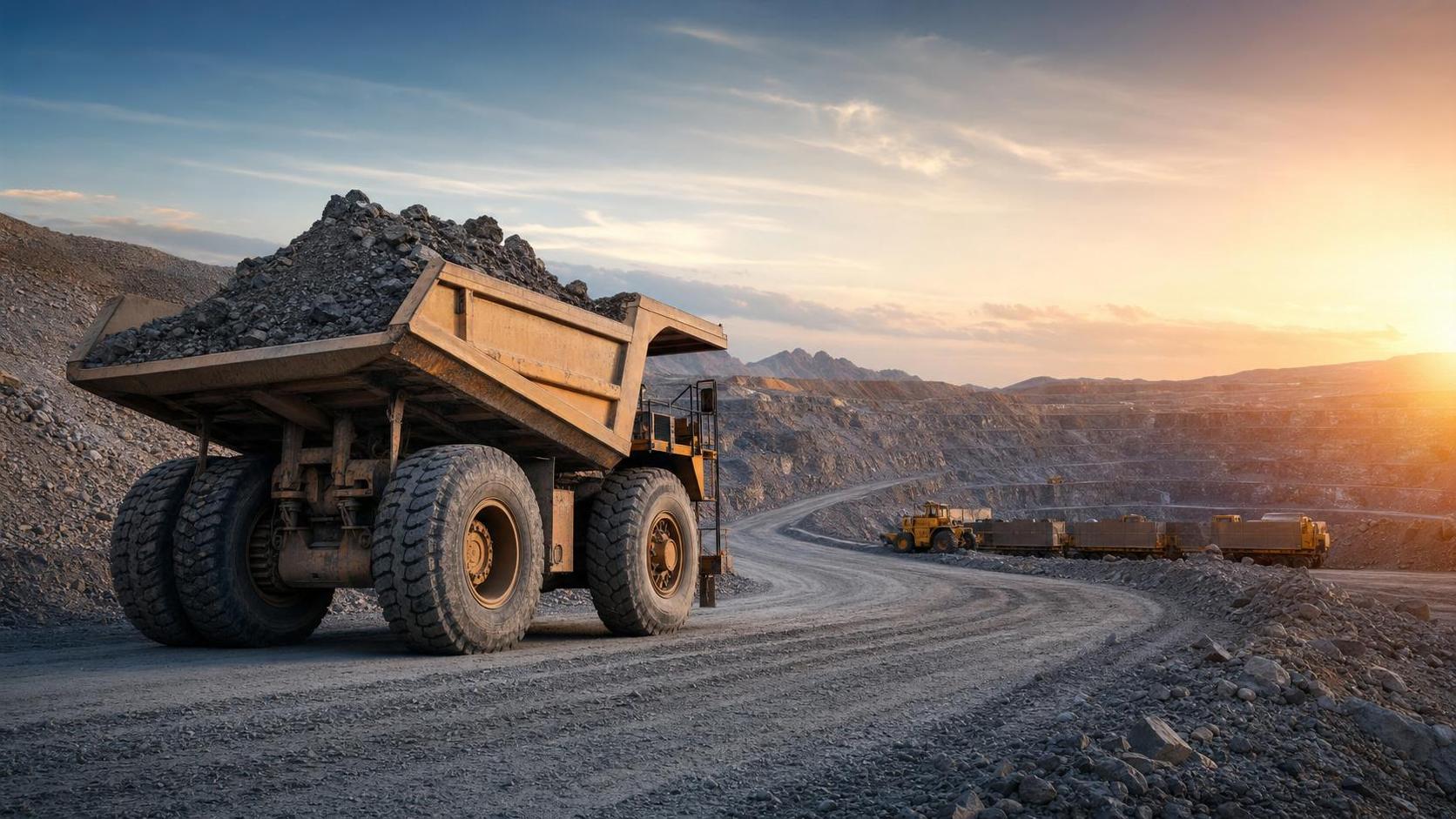
Choosing a mining truck is rarely a simple size decision. Payload matters, but it only delivers value when matched with ramp resistance, haul road quality, loading tools, and the broader trailer and transport setup behind the project.
A truck that looks efficient on paper can become expensive in the field. Poor gradeability slows cycle times, rough roads increase tire wear, and mismatched capacity creates idle excavators, queues, and avoidable fuel burn.
That is why mining truck selection should start with operating reality. The right choice supports output targets, protects equipment life, and keeps the haul system stable under changing site conditions.
Start with the job, not the brochure
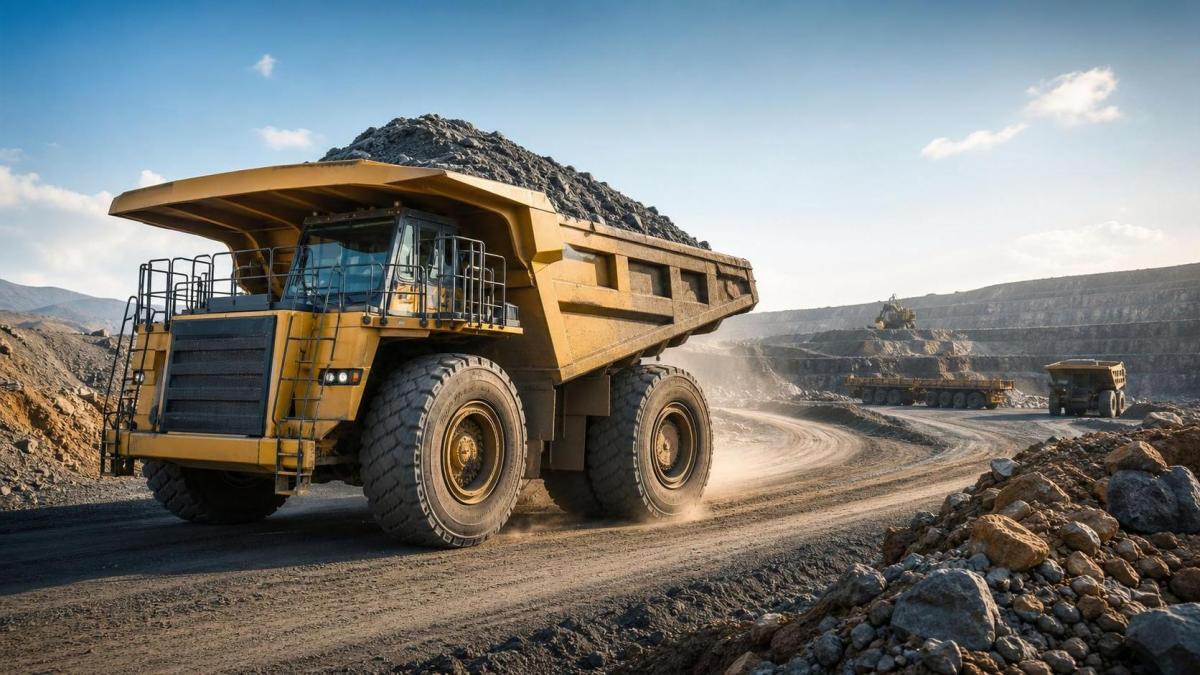
Before comparing models, define what the haul fleet must actually do. A mining truck on a short limestone route faces a different duty cycle from one working deep pit ramps or mixed overburden conditions.
Useful selection data includes haul distance, average loaded grade, rolling resistance, material density, weather patterns, shift length, loading equipment, and dump point congestion. These factors shape the real cost per ton.
In related support logistics, trailer equipment also influences fleet planning. Some operations pair mine vehicles with road transport units for regional movement, parts supply, or auxiliary hauling, so compatibility across platforms deserves attention.
Payload is important, but only when it fits the haul system
Payload is the most visible mining truck specification because it affects production volume directly. Yet bigger is not automatically better. Excess capacity can reduce efficiency when the loader cannot fill the body in the target number of passes.
It also becomes a problem when roads, dump areas, or maintenance facilities are built for smaller units. In those cases, a larger truck adds maneuvering delays and structural stress without delivering proportional output gains.
Questions that clarify the right payload band
- How many loader passes are needed for a full, legal, and repeatable load?
- Does material density vary enough to create frequent overloading risk?
- Can haul roads and dump edges support the gross vehicle weight consistently?
- Will a larger truck reduce fleet count, or just shift waiting time elsewhere?
A practical target is balanced utilization. The best mining truck payload is the one that works smoothly with the loader, road width, turning radius, tire strategy, and daily production profile.
Gradeability affects cycle time more than many plans assume
Gradeability describes how well a truck can climb under load. On sites with long ramps, this is not a secondary specification. It shapes uphill speed, engine loading, transmission stress, and total trip duration.
A mining truck with insufficient gradeability may still move the load, but it will do so slowly. Over hundreds of cycles, small speed losses become a major production gap.
This issue becomes sharper in wet seasons, on loose surfaces, or where maintenance intervals allow ruts and soft sections to develop. Effective gradeability is always lower than the brochure number once site resistance is included.
What to compare behind the headline figure
- Loaded speed at specific grades, not just maximum climb percentage
- Engine torque curve and power retention in the working range
- Transmission gearing for repeated ramp work
- Retarder and braking capacity on downhill return routes
In short, gradeability should be assessed together with resistance, not in isolation. That gives a more honest view of how the mining truck will perform over a full shift.
Haul road conditions often decide operating cost
Road quality may be the most underestimated variable in mining truck selection. A truck designed for strong payload and good ramp performance can still become inefficient on corrugated, muddy, narrow, or poorly drained haul roads.
Road conditions influence rolling resistance, suspension loading, tire heat, fuel use, and body fatigue. They also affect operator comfort, which matters for shift consistency and safety over long hours.
When road conditions are unstable, operating discipline and maintenance quality matter as much as specification sheets. A sound selection process should therefore include road audits, not only equipment quotations.
The truck must fit the wider transport chain
A mining truck is part of a system, not a standalone asset. Mine output depends on how the unit interacts with excavators, service trucks, fuel supply, workshop support, and, in some projects, road-going tractor and trailer equipment.
This is where crossover thinking becomes useful for sites connected to regional logistics. Support fleets may rely on heavy-duty tractor heads for material movement, equipment repositioning, or trailer-based supply runs between mine and depot.
For operations evaluating that broader transport mix, a platform such as Shaanxi Heavy-Duty Truck Tractor SHACMAN F3000 Tractor Truck Head 400HpTrailer Truck New for Sale can be reviewed as part of the non-mine haul support chain rather than as a direct replacement for a dedicated mining truck.
That distinction matters. Dedicated mine haul units and trailer tractors solve different problems, but both influence total logistics efficiency when the site depends on mixed transport routes.
Look beyond purchase price
Initial capital cost is visible. Lifetime operating cost is where selection quality shows up. The wrong mining truck may cost less to buy, yet more to run through fuel consumption, tire loss, downtime, and lower productivity.
A stronger comparison uses cost per ton moved, availability, mean time between failures, parts access, and service turnaround. This is especially important where remote sites cannot tolerate long delays for components.
Evaluation points that often change the decision
- Local service capability and stocked spare parts
- Ease of daily inspection and routine maintenance
- Fuel efficiency under actual site resistance
- Tire size availability and replacement cost
- Operator visibility, braking confidence, and cabin ergonomics
In practice, a slightly smaller mining truck with better uptime can outperform a larger model that spends too many hours waiting for repairs or struggling on poor roads.
A practical way to narrow the shortlist
Start by grouping candidates into realistic payload classes. Then compare each one against loaded grade, average haul distance, road condition, loader match, and maintenance support.
If two trucks appear similar, use cycle simulation and cost-per-ton estimates under site resistance assumptions. That usually reveals whether the advantage comes from payload, traction, durability, or lower idle time.
It also helps to test how the fleet behaves in less favorable months. Rain, heat, road deterioration, and variable material density often expose weaknesses that are hidden during peak dry-season performance.
A disciplined shortlist should leave you with units that fit both today’s production plan and tomorrow’s expansion path. That may include reviewing support transport options such as Shaanxi Heavy-Duty Truck Tractor SHACMAN F3000 Tractor Truck Head 400HpTrailer Truck New for Sale where trailer-linked logistics are part of the broader site model.
The most reliable next step is to map payload, gradeability, and haul road conditions into one decision matrix. Once those three variables are tied to cycle time and cost per ton, the right mining truck choice becomes much clearer.