
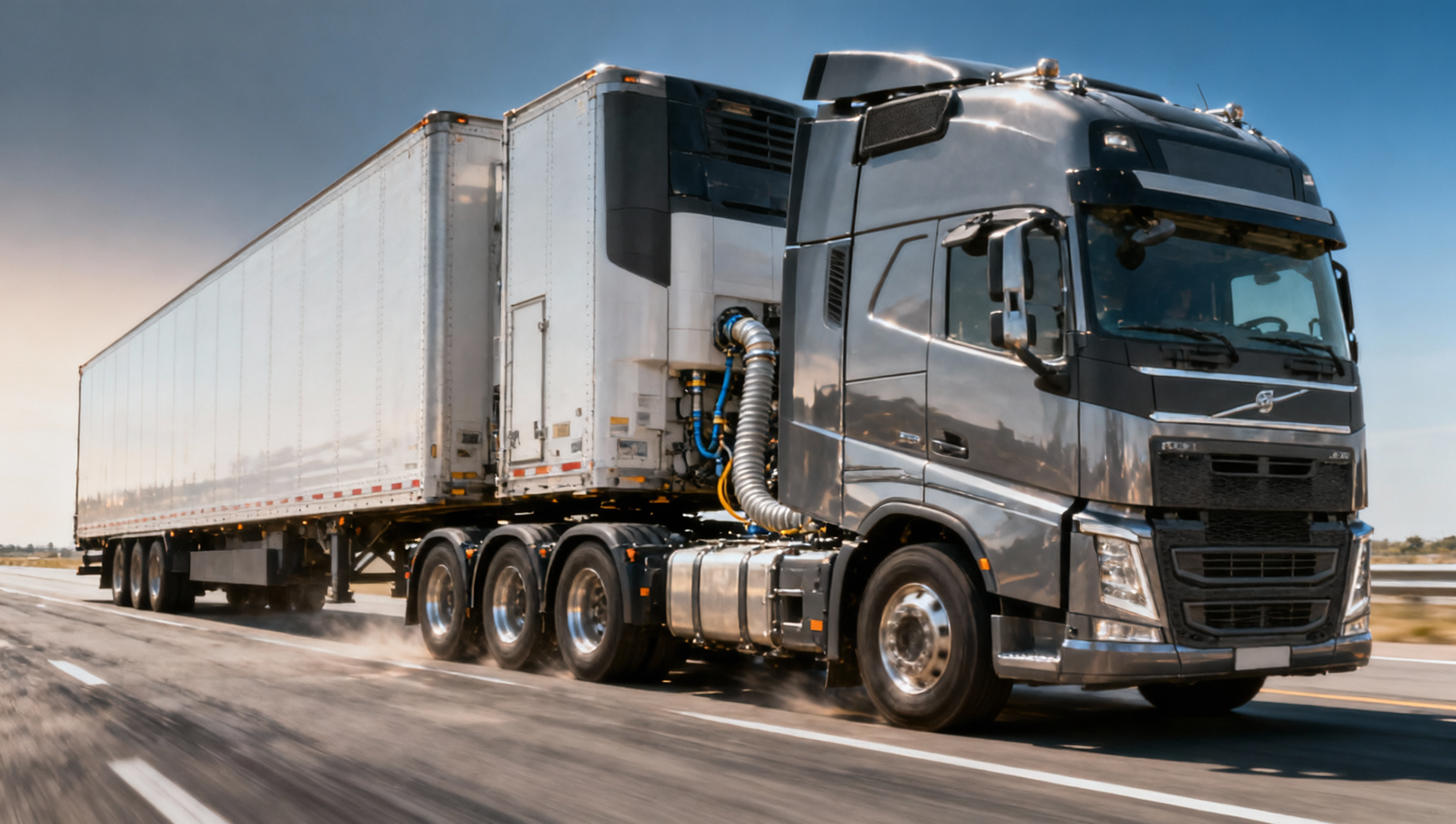
When evaluating a used truck, many buyers focus on power, stopping ability, or handling—but which matters most during a real road test? If you are wondering, "How to test drive a used truck?", the answer starts with knowing what to observe behind the wheel. A proper test drive helps reveal hidden mechanical issues, safety concerns, and performance weaknesses before you make a costly decision.
What should you prioritize first during a used truck test drive for trailer work?
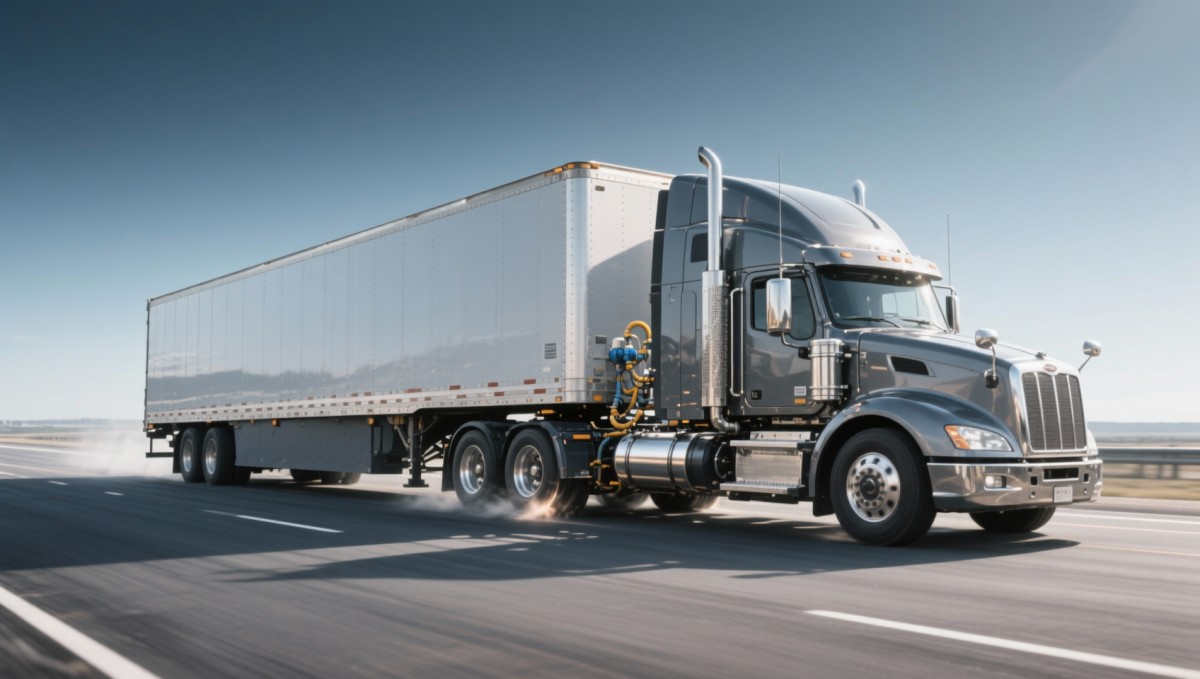
In the trailer industry, a used truck is rarely judged in isolation. It is part of a working combination that may tow flatbed trailers, lowbeds, box trailers, tanker trailers, or other commercial trailer types under variable loads. That is why the question is not simply engine, brakes, or steering. The real priority is control under load, and in most buying situations, brakes and steering consistency deserve closer attention than raw engine power.
A strong engine can hide problems for 20–30 minutes on a road test because acceleration feels convincing even when the truck has drivetrain wear, alignment issues, or uneven braking. By contrast, weak braking feedback, delayed steering response, vibration through the wheel, or instability during lane correction can indicate safety-related issues that become far more serious once a trailer is attached. In commercial hauling, safe control matters before peak horsepower.
For B2B buyers, fleet managers, trailer distributors, and transport operators, the best test drive approach is to rank evaluation in 3 layers: safety first, controllability second, power delivery third. This order reflects real operating risk. A truck with average acceleration may still perform well in regional trailer transport, but a truck with unstable braking or vague steering can increase maintenance cost, downtime, and roadside exposure within the first 1–3 months of service.
In practice, the most useful answer is this: if you can only focus on one thing during the first stage of a test drive, focus on whether the truck remains predictable during braking, turning, and speed changes. Predictability is what protects cargo, drivers, trailers, and delivery schedules.
A practical order of importance for trailer-focused buyers
- Braking behavior: Check pedal feel, straight-line stopping, brake lag, noise, pull to one side, and whether stopping remains stable from low speed to moderate speed.
- Steering response: Look for free play, delayed correction, vibration, uneven return, and excessive effort during low-speed turns and highway tracking.
- Engine and transmission: Observe cold start, idle stability, gear changes, smoke, turbo response, and whether power delivery remains smooth across at least 3 driving phases.
- Trailer compatibility indicators: Even without towing, inspect hitch area, air and electrical connections, suspension posture, and signs of repeated heavy-duty use.
This priority order does not mean engine condition is unimportant. It means a used truck for trailer operations should first prove that it can stop, track, and respond safely. Once those fundamentals are acceptable, engine and driveline performance become easier to evaluate in commercial terms such as fuel economy, route suitability, and hauling efficiency.
Engine vs. brakes vs. steering: which one affects operating risk the most?
The answer depends on your transport scenario, but for most trailer operators, brakes create the highest immediate safety risk, steering creates the highest control risk, and engine issues create the highest cost risk. That distinction helps buyers avoid a common mistake: choosing the truck that feels powerful on the road instead of the truck that remains stable and manageable over daily duty cycles of 200–500 kilometers.
For example, if a used tractor truck will pull a semi trailer on mixed highway and urban routes, brake condition should be examined with extra discipline. Stopping distance, air brake response, and straight-line stability matter more than a quick launch from a traffic light. In repeated stop-and-go conditions, even a small brake imbalance can translate into tire wear, trailer sway, or increased lining and drum replacement frequency.
Steering becomes especially important for operators handling long trailers, refrigerated trailers, or container chassis in tight yards and loading areas. A truck that feels acceptable on a straight road may reveal issues during low-speed maneuvering, U-turns, roundabouts, or reverse positioning. Excessive play or slow steering return can reduce driver confidence and raise the risk of trailer angle misjudgment.
Engine condition matters greatly too, but many engine concerns are easier to verify through inspection records, diagnostic checks, fluid condition, exhaust observation, and maintenance history. Brake and steering weaknesses often show themselves only in real movement, which is why the test drive is so valuable.
Comparison table for trailer-use decision making
The table below helps buyers compare how engine, brakes, and steering influence real trailer operations, maintenance exposure, and procurement risk during a used truck test drive.
For most used truck purchases in the trailer sector, this comparison supports a clear buying rule: reject major brake or steering faults first, then negotiate engine-related findings based on repair scope, parts access, and route demand. A truck with manageable engine wear may still be commercially viable. A truck with unsafe control behavior is usually the wrong asset.
When engine matters more
There are cases where engine performance moves up the priority list. Long-haul routes with steep grades, high gross combination weight, and 6–10 hour driving shifts place obvious pressure on torque delivery and cooling reliability. If your trailer operation regularly runs near upper payload limits, weak engine response can affect scheduling, fuel consumption, and drivetrain stress.
Even then, engine should not outrank safety fundamentals. A truck that climbs well but brakes poorly is still a poor procurement decision. The right approach is to define your operating pattern before the test drive and score each system against actual trailer use.
How to test drive a used truck step by step before pairing it with a trailer
A useful used truck test drive should last at least 30–45 minutes and include 4 driving environments whenever possible: idle and startup, urban stop-and-go, open road cruising, and low-speed turning or reversing. This structure gives buyers a more complete picture than a short 10-minute loop around a dealer yard.
Before moving the truck, inspect tire wear, frame condition, fifth-wheel area or towing connection points, air lines, electrical sockets, suspension components, and visible leaks. In trailer applications, uneven rear tire wear and excessive hitch-area wear can hint at long-term alignment issues or overloaded operation. These clues matter because they affect future trailer stability and maintenance planning.
During the drive, avoid distractions. Turn off the radio, keep windows slightly open when safe, and pay attention to noise changes under acceleration, deceleration, and cornering. A used truck that sounds acceptable at idle may reveal driveline clunks, brake scraping, or steering pump noise once the vehicle is under real motion. Those signs often matter more than cosmetic condition.
After the road portion, inspect the truck again within 5–10 minutes. Check for new leaks, hot brake smell, abnormal hub temperature differences, and air system behavior after shutdown. Post-drive inspection often confirms issues that were only suspected during the road test.
A 6-point road test checklist for trailer buyers
- Cold start and idle: Watch startup delay, idle fluctuation, warning lights, smoke color, and air pressure build time where applicable.
- Low-speed steering: Make tight turns and check free play, pump noise, steering smoothness, and wheel self-centering.
- Progressive braking: Perform several controlled stops from low and moderate speed to feel pull, vibration, fade, or delayed response.
- Cruise stability: Hold a steady speed and observe lane tracking, vibration, driveline smoothness, and steering correction frequency.
- Shift and torque response: Test gear engagement, power delivery, and throttle behavior on slight incline if available.
- Post-drive recheck: Look for leaks, odors, heat imbalance, and any warning indicators that appeared after driving.
This checklist is especially useful when selecting used tractor heads to pull commercial trailers in construction, logistics, agriculture, and regional distribution. It turns a subjective road impression into a repeatable procurement process.
Evaluation table for buying decisions
If you are comparing more than one used truck for trailer use, a scoring table can reduce guesswork and help procurement teams align technical and commercial judgment.
With this type of table, buyers can compare 2–4 candidate trucks using the same criteria and avoid overvaluing appearance, seller claims, or one strong acceleration impression. That is particularly important when the truck will become part of a larger trailer fleet plan.
What trailer operators often miss when buying a used truck
Many buyers judge a used truck as if it were a solo vehicle, but trailer work changes the stress profile completely. Once the truck starts towing, braking loads increase, turning geometry changes, tire and suspension behavior become more sensitive, and small steering weaknesses can become operational problems. A truck that feels acceptable unloaded may perform poorly once connected to a commercial trailer.
Another common mistake is focusing on mileage without considering duty history. In the trailer industry, 300,000 kilometers of moderate highway use can be less concerning than lower mileage accumulated under repeated heavy stop-start cycles, rough road conditions, or poor maintenance intervals. Procurement decisions should combine road feel, wear pattern, and service record quality.
Buyers also underestimate compatibility factors. Trailer coupling height, electrical interface condition, air system health, suspension stance, and axle specification all influence whether the used truck will integrate smoothly with an existing trailer fleet. A lower purchase price may become less attractive if the vehicle requires adaptation, parts replacement, or route limitation after delivery.
For companies managing multiple trailer types, the best buying strategy is to evaluate the truck as part of an operating system. That means looking beyond the cabin and asking how the unit will behave over the next 6–12 months in dispatch, maintenance, loading, compliance checks, and driver use.
Common misconceptions in used truck procurement
- “If the engine feels strong, the truck is probably fine.” Strong acceleration does not rule out unsafe braking, worn steering components, or trailer-control issues.
- “A short test drive is enough.” In many cases, 10–15 minutes is too short to reveal heat-related brake behavior, vibration, or driveline symptoms.
- “Low purchase price reduces risk.” Lower initial cost can hide higher repair spend, delayed deployment, and additional trailer matching work.
- “Truck and trailer can be checked separately.” In commercial transport, compatibility should be reviewed as early as the buying stage, not after the truck arrives in service.
These misconceptions explain why experienced trailer buyers use a more disciplined process than casual buyers. They know that stable road behavior, serviceability, and trailer integration often matter more than the first visual impression.
FAQ: how do you make a safer and smarter used truck decision?
Below are practical questions that buyers, fleet teams, and trailer procurement managers often ask when reviewing a used truck before purchase. These answers are designed to support safer, more commercially sound decisions.
How long should a proper used truck test drive last?
A meaningful test drive usually takes 30–45 minutes, and longer is better if the route includes urban traffic, open road cruising, braking repetitions, and low-speed turning. If the truck will be used for trailer hauling, try to include at least 3 operating conditions rather than relying on a single straight road segment.
Should I test the truck with a trailer attached?
If possible, yes. Even a short towing test can reveal more about launch smoothness, brake balance, turning control, and suspension behavior. If an attached trailer test is not available, inspect hitch condition, connection systems, rear suspension posture, and signs of previous heavy towing. These checks can still provide useful evidence.
What matters more for regional trailer transport: engine power or braking stability?
For most regional operations, braking stability comes first. Regional transport usually involves frequent speed changes, yard entries, traffic, and tighter maneuvering. In that environment, stable stopping and predictable steering often deliver more value than extra engine output. Power matters, but control protects uptime.
What documents should I request after the test drive?
Ask for maintenance records, brake and tire service history, drivetrain repair documentation, and any inspection notes related to suspension, steering, or air systems. For fleet buyers, it is also useful to confirm whether the truck’s configuration matches the trailer types and operating routes planned for the next 2–4 quarters.
Why work with us when selecting trucks and trailers together?
In trailer procurement, the truck should never be treated as a separate purchase decision. The better approach is to evaluate towing application, trailer type, route conditions, load profile, and matching requirements together. That is where professional support creates real value: not by making broad claims, but by helping buyers reduce uncertainty before capital is committed.
We support buyers who need practical guidance on trailer compatibility, configuration review, procurement comparison, and working-condition assessment. Whether you are selecting equipment for regional delivery, construction haulage, agricultural logistics, or multi-trailer operations, we can help organize the decision around fit-for-use criteria rather than guesswork.
You can contact us to discuss 5 key areas: trailer type matching, truck and trailer parameter confirmation, estimated delivery timing, customization options, and quotation planning. If your project involves specific axle loads, connection interfaces, suspension preferences, or operational constraints, we can help you narrow the right configuration before purchase.
If you are comparing used truck options for trailer service, send your target application, load range, route conditions, and preferred trailer format. We can help you review the key checkpoints, identify likely risks, and build a more efficient selection path for purchasing, deployment, and long-term operation.